since 1995

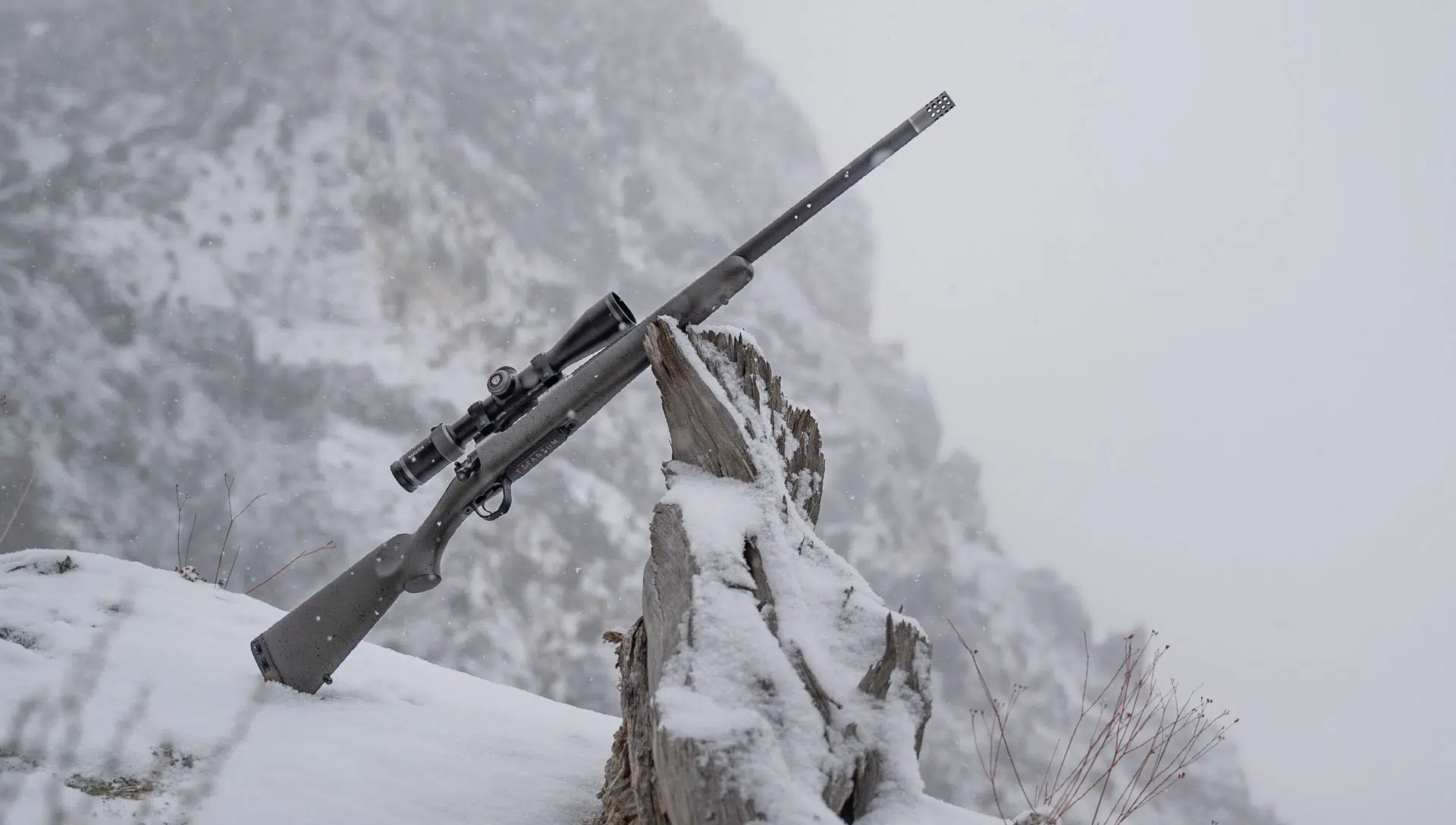
How Christensen Arms Builds the Best Rifles for Harsh Winter Conditions
When the temperature drops and the elements close in, performance matters more than ever. Christensen Arms rifles are built to thrive where others falter—engineered for strength, precision, and reliability in freezing, unforgiving environments. Here’s how advanced carbon fiber engineering helps us create the best rifles for harsh winter conditions.
Why Carbon Fiber Excels in Winter
Cold-weather hunting challenges materials to perform under extreme stress. Carbon fiber provides the strength, stability, and consistency required to deliver dependable accuracy in those conditions.
- Minimal thermal expansion: Unlike metal components, carbon fiber maintains dimensional stability as temperatures change, ensuring consistent accuracy.
- Cold-resistant strength: Carbon fibers retain their structural integrity even in sub-zero conditions, preventing brittleness and flex.
- Corrosion and moisture resistance: Carbon fiber won’t rust or corrode, even when exposed to snow, condensation, or salt.
These advantages make aerospace-grade carbon fiber the foundation of Christensen Arms rifles, purpose-built to be the best rifles for harsh winter conditions.
Carbon Fiber Barrel Technology for Cold-Weather Performance
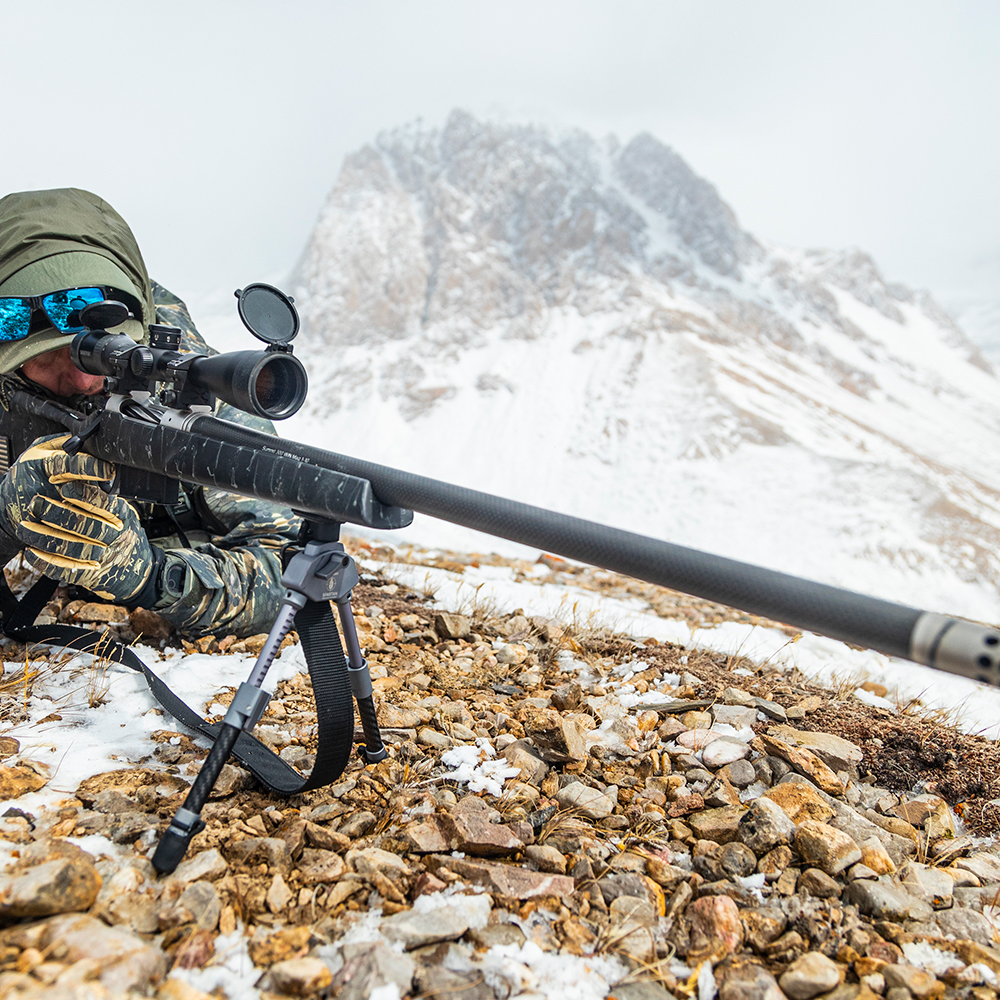
Christensen Arms pioneered carbon fiber barrel construction to reduce weight while increasing stiffness and thermal stability. This design directly enhances rifle performance in cold environments.
- Thermal control: The carbon wrap distributes heat evenly, preventing the sharp temperature swings that can impact accuracy.
- Vibration damping: Carbon fiber naturally absorbs barrel vibration, helping maintain precision shot after shot.
- Strength-to-weight advantage: With the stiffness of steel and a fraction of the weight, carbon fiber barrels reduce fatigue during long winter hunts.
This engineering foundation is what allows our rifles to be trusted as the best rifles for harsh winter conditions by serious hunters and marksmen.
Watch our rifle line-up in action on Christensen Arms' YouTube Channel
Built for Environmental Endurance
Our rifles are designed to perform under stress, not just in ideal settings. Every detail is optimized to withstand the demands of snow, ice, and freezing temperatures.
- Precision lay-up and fiber orientation for maximum strength across temperature fluctuations.
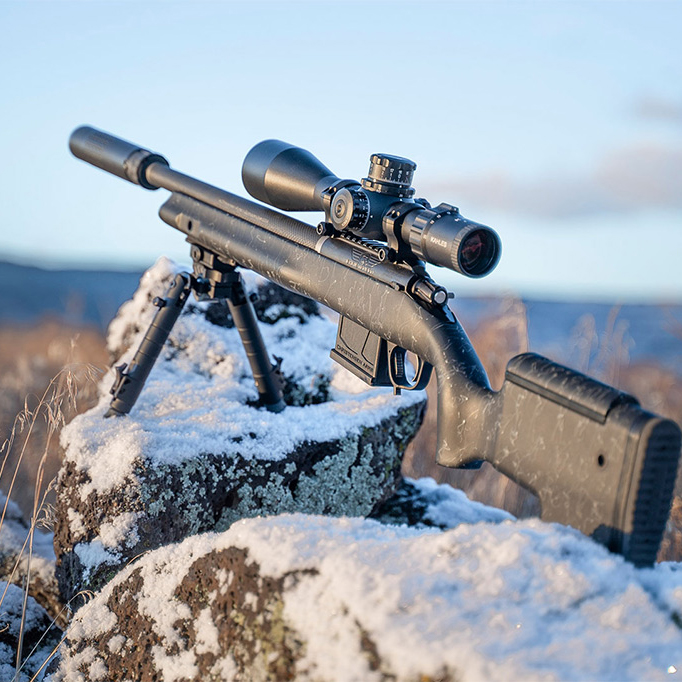
- Hydrophobic, UV-resistant finishes to protect against moisture, sunlight, and glare off snow.
- Tight manufacturing tolerances that eliminate weak points susceptible to environmental stress.
Each design decision supports one goal: to maintain consistent performance no matter the conditions.
Proven in the Field and the Lab
Before a Christensen Arms rifle ever reaches a hunter, it’s engineered to ensure real-world reliability. We simulate sub-zero temperatures, moisture exposure, and repeated firing cycles to confirm accuracy and durability.
That dedication to validation is what defines the best rifle for harsh winter conditions—built to perform whether you’re tracking elk in deep snow or glassing ridgelines at dawn.
Maintaining Cold-Weather Reliability
Even the strongest materials benefit from proper care. To extend the life and performance of your rifle:
- Always dry the firearm after exposure to snow or rain.
- Store in a temperature-controlled, low-humidity environment.
- Inspect coatings and metal interfaces for wear or buildup.
These small steps help preserve long-term reliability across seasons.
Conclusion
At Christensen Arms, innovation is driven by necessity—building rifles that deliver accuracy, strength, and trust even in the harshest environments. Through advanced carbon fiber engineering and precision manufacturing, we continue to set the standard for the best rifles for harsh winter conditions. Beacause when the temperature drops, your confidence should rise.
Discover Christensen Arms precision built rifles for harsh winter conditions.