since 1995

Elk Calling Strategies for Every Phase of the Season
Effective elk calling comes from understanding each sound and applying it with purpose. Learning to use elk calls begins months before the opening day of elk season with a regiment of disciplined practice sessions. Clear communication, authentic execution, and reliable equipment create consistent results. The following guide outlines core call types, their meaning, and when they are most effective.
Cow Mews
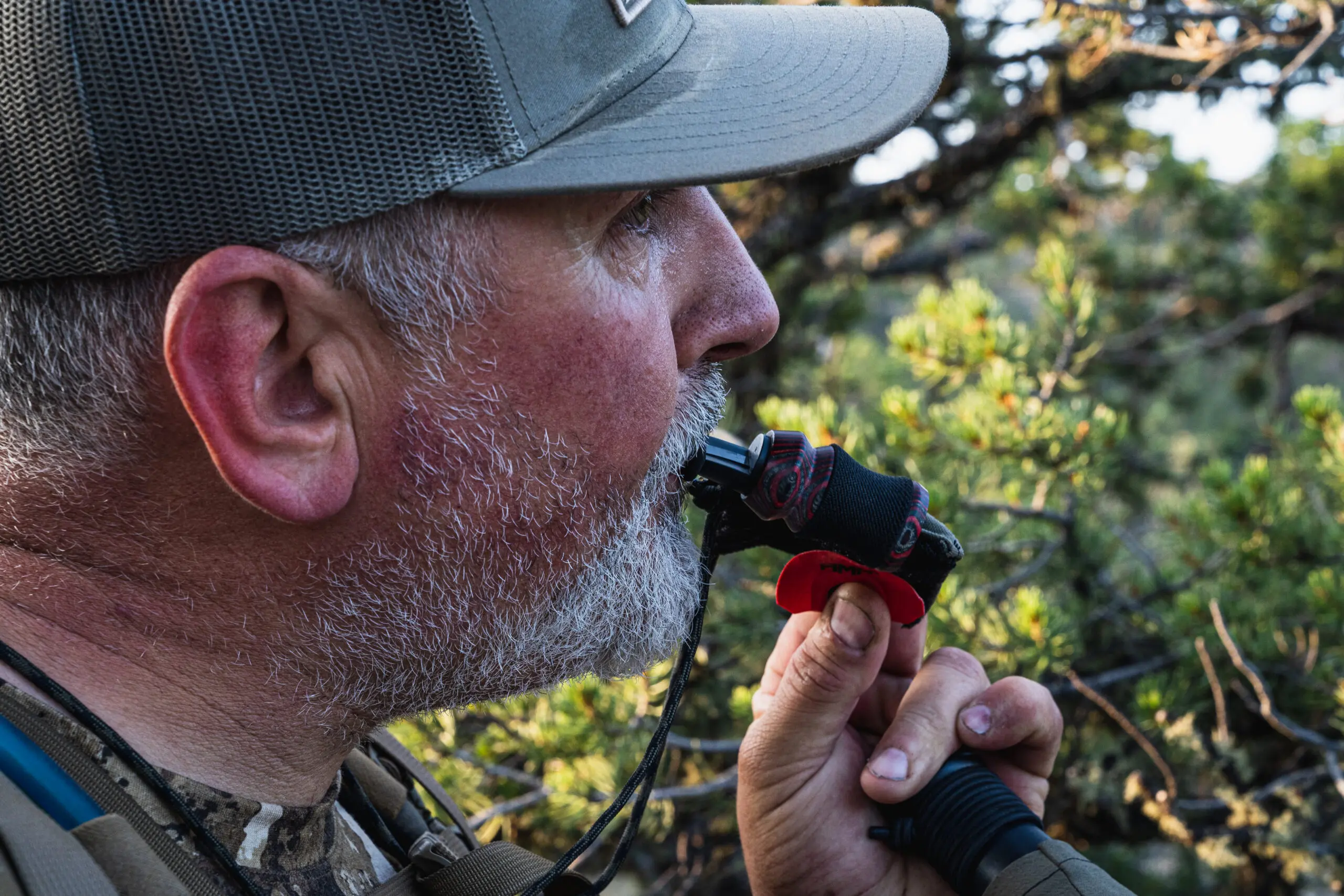
A mew is the foundational cow sound. It is short, soft, and inviting. Use it quietly when elk are close, when easing through timber, or when a cautious bull is nearby. A controlled yet friendly tone matters. Many hunters rely on diaphragms or external cow calls that are dependable and easy to run, including those from the Phelps lineup, to keep sound quality realistic.
Contact Cow Calls
A contact cow call is a longer, smoother cow vocalization used by elk to communicate position without urgency. It fits early season situations or quiet bulls. It signals a relaxed cow, helping pull in bulls that prefer a low-pressure approach.
Calf Elk Calls
Calf elk communicate with the herd as well. Their vocalizations are very high pitched, short, and sharp in tone. They can be made loudly or whisper quiet to paint a particular picture in the mind of nearby elk. When made excitedly at great volume, you can convince elk that there is a calf who is lost or in distress. Bulls and cows alike will be coaxed into range with well-made lost calf calls.
Excited Cow Calls
These loud, more energetic cow sounds reflect interest or agitation. Use them when an interested bull responds to your mews or when trying to locate distant elk. The increased urgency signals a cow ready to be pursued, often prompting a bull to commit. Hunters vocalize cow calls to appeal to the bull elk’s urge to breed.
Find the external cow call Christensen Arms recommends with Phelps Game Calls. Use code christensen20 to save 20% (code valid until 12/19/2026).
Location Bugles
A location bugle is a long, drawn out, clean rise and fall in pitch. Bulls use it to find other elk. Use it often at first light, last light, or when covering new country throughout the day. Broadcast this call with a lot of volume to appeal to bulls up close or at a distance.
Challenge Bugles
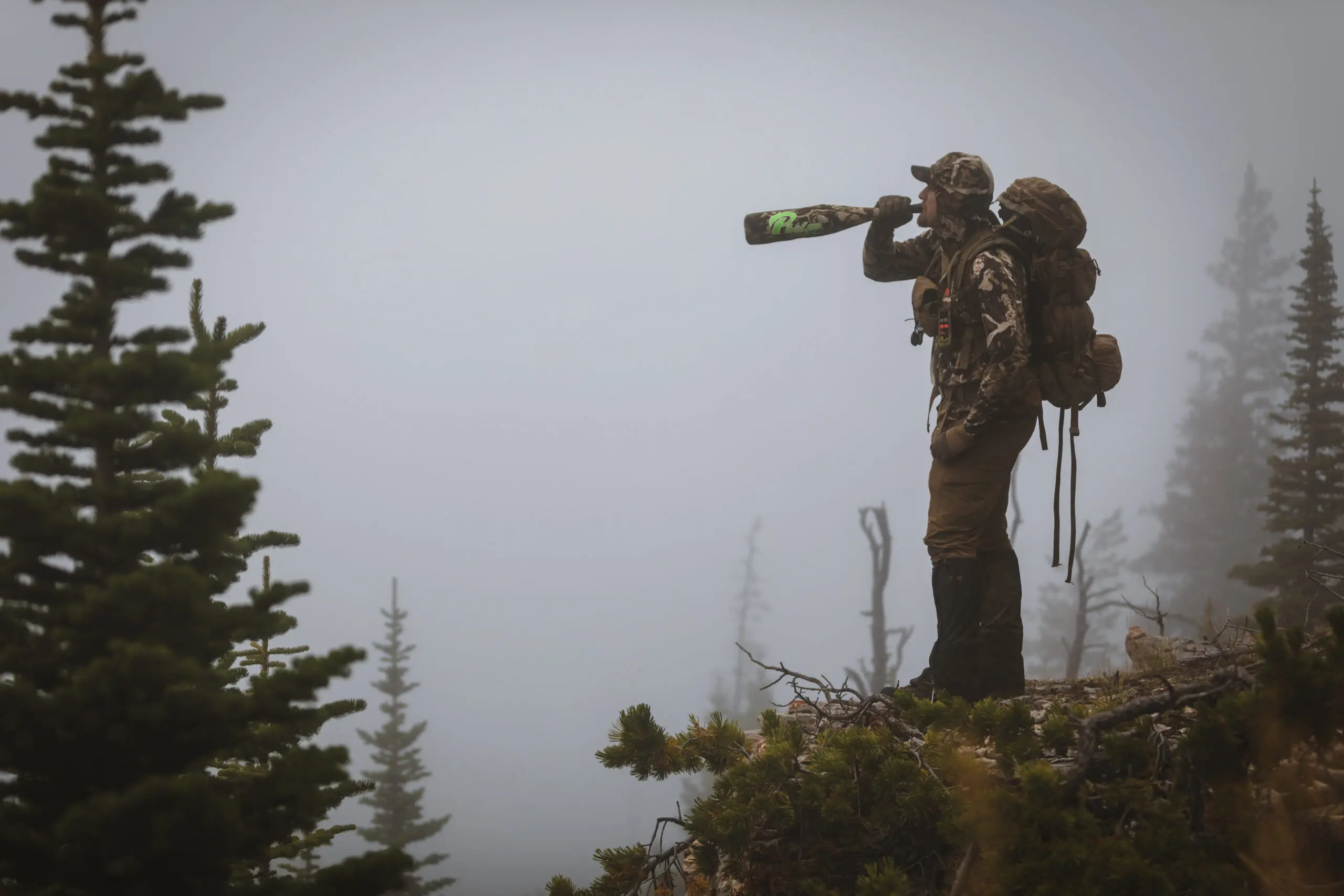
A challenge bugle is louder and more forceful. Use it only when a bull is already worked up from interacting with your bugling. The goal is to provoke a territorial response and invoke the urge to fight. Using a capable bugle tube helps produce loud, articulate notes and authentic tones that will elicit a reply from bulls within earshot.
Grunts and Chuckles
Short, throaty grunts and chuckles show dominance and close-range intensity. Use them when locating or escalating the mood of the conversation you are having with a bull. These sounds reinforce the presence of a competing bull and usually convey an aggressive message.
Explore Christensen Arm’s recommendation: Phelp’s Bugle Tubes here. Use code christensen20 to save 20% (code valid until 12/19/2025).
Raking
To imitate a bull elk rubbing his antlers on a tree, take a big stick and rake it against a large sapling or dense brush. Bulls rake to display their dominance and mark their territory.
Putting It All Together
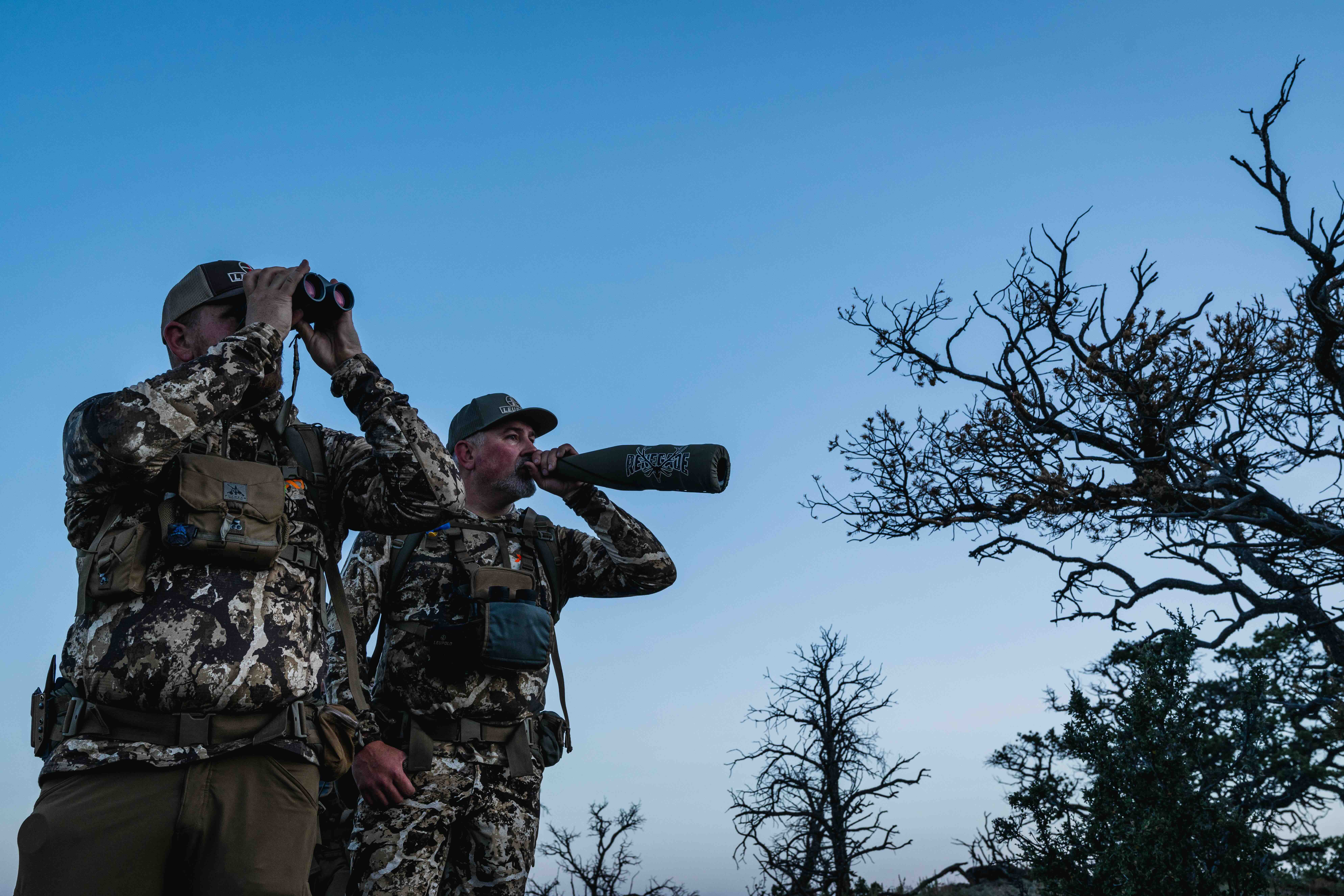
Call often and loud when locating elk in the backcountry. Test different sequences, from soft cow mews to aggressive bugles and chuckles, and match your sound to the bull’s reaction. Once a bull responds, close the distance, repeat the sounds he favors, and escalate only when his demeanor warrants it. As he approaches, stop calling and let him search. If he stalls, rake a tree to pull him in.
In pressured areas, rely on soft cow calls and raking near bedding cover during daylight. In open country, call to locate elk from a distance, then move closer before calling again, using brush, small trees, or terrain features for concealment.
Effective calling depends on setup, wind, and realistic sound. Clean transitions, controlled tone, and accurate volume help maintain the illusion of real elk. Many hunters use Phelps diaphragms and bugle tubes for consistent, authentic sound that supports a precise calling strategy aligned with Christensen Arms standards.
Use code christensen20 for 20% off checkout at Phelps Game Calls (code valid through 12/19/2025).