Barrel Care
RIFLE BARREL LIFE:
6 WAYS TO MAKE
YOURS LAST
Protect Your Investment. Keep It Shooting True.
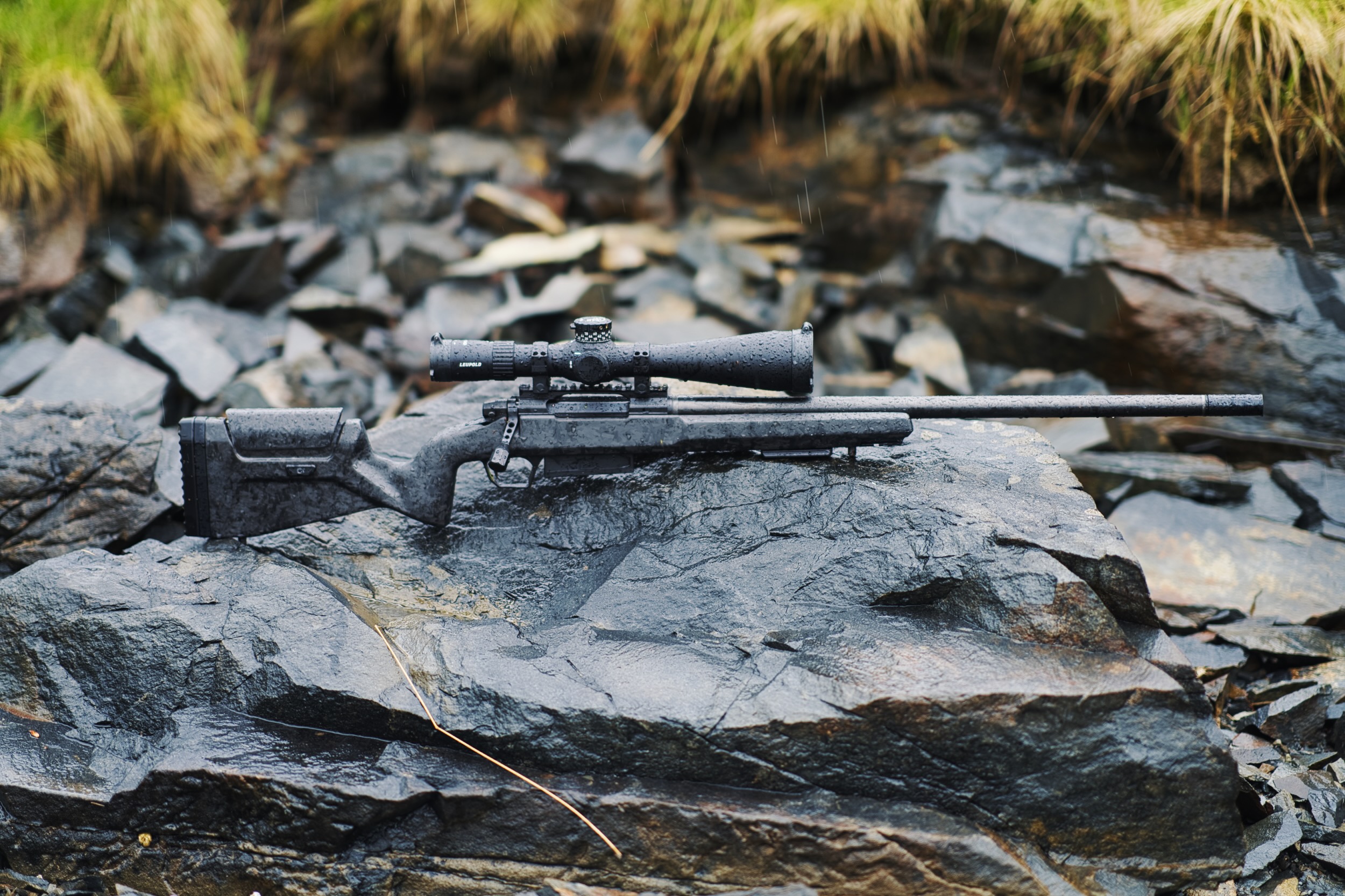
Rifle barrel life is determined long before accuracy starts to slip. Most shooters do not think about barrel longevity until groups open up, but the habits that protect accuracy begin with the first round.
These six practices will not resurrect a worn barrel. Followed consistently from day one, they can add meaningful rounds to your rifle barrel life and protect the investment you made in a precision platform.

1. Break It In Properly to Extend Rifle Barrel Life
A proper break-in procedure removes microscopic tooling marks left in the bore during manufacturing, creating a smoother surface that is easier to clean and more consistent shot to shot. Skipping this step can accelerate copper fouling and make cleaning harder for the life of the barrel.
The standard approach: fire two three-shot groups, then clean from the chamber to the muzzle until your patches run clean. Repeat this cycle until you have fired a total of 50 rounds. For a full walkthrough, see the Christensen Arms Barrel Break-In Procedure.
Do not rush the break-in. The time you invest in the first 50 rounds pays dividends across the next 2,000.
2. Manage Heat to Protect Rifle Barrel Life
Heat is the primary enemy of rifle barrel life. Every round fired generates extreme temperature at the chamber throat, and that heat erodes steel with every shot. The faster you fire, the hotter the barrel gets, and the faster the throat erodes.
This does not mean you cannot shoot strings. It means being intentional about letting the barrel cool between strings, especially during load development or extended range sessions.
- Let the barrel cool to warm, not hot, between strings during load development.
- Avoid resting a hot barrel on surfaces that trap heat.
- In hot weather, shade the barrel between strings to prevent additional heat absorption.
- If you are running high round counts, use a bore fan or simply let time do the work.
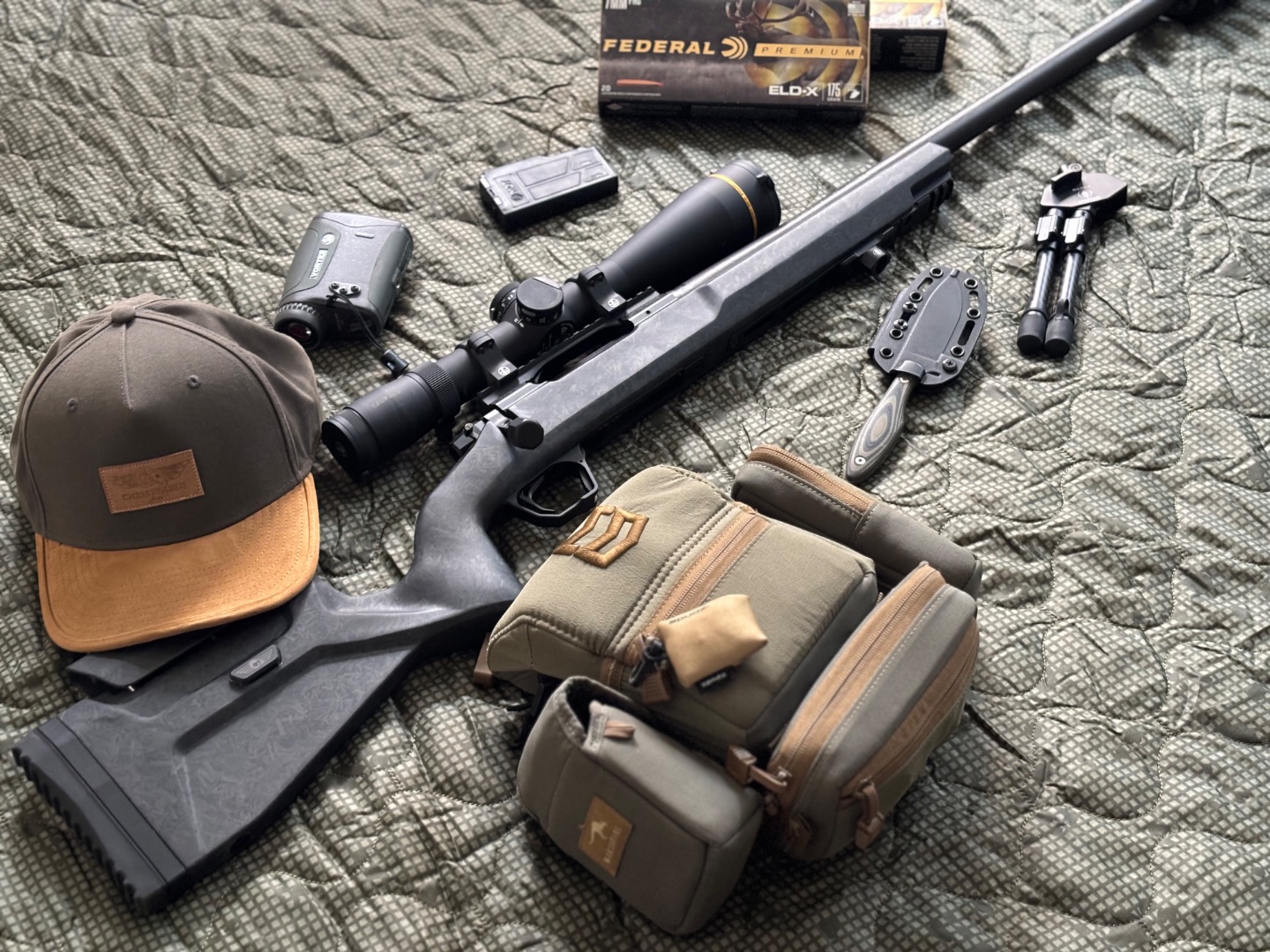
3. Clean Your Rifle Barrel Correctly
Improper cleaning damages more barrels than many shooters realize. Running an oversized brush, using the wrong solvent, or scrubbing aggressively with a steel rod can introduce wear that compounds over time.
Always clean from the chamber toward the muzzle using a properly fitted bore guide. Use a quality one-piece coated rod, and let solvent do the chemical work before introducing a brush.
As a baseline, clean your barrel:
- After every range session, regardless of round count.
- After exposure to rain, humidity, or salt air.
- Every 50-100 rounds during extended shooting sessions.
- Before storage longer than a few days.
A clean barrel is not just about accuracy. It is about preventing corrosion that starts where you cannot see it.
4. Choose Ammunition That Supports Barrel Life
Not all ammunition is equal, and the loads you run have a direct impact on barrel life. Hotter loads run higher pressures and temperatures, which accelerates throat erosion. Magnum cartridges are inherently harder on barrels than moderate cartridges.
For handloaders, avoid max-pressure loads as your everyday training round. A load slightly below maximum pressure may shoot just as accurately, run cooler, and add hundreds of rounds to your barrel's service life.
5. Store It Right Between Range Days
Moisture, temperature swings, and improper positioning can create corrosion and stress that compound silently between seasons.
After cleaning, apply a thin coat of quality bore oil before storage. Store the rifle in a position that does not put sustained pressure on the barrel, and use a case or safe that does not trap humidity against the metal.
- Apply bore oil before storage longer than a few days.
- Use a dehumidifier rod in your safe when needed.
- Run a clean dry patch before shooting after storage.
- Inspect the bore seasonally for pitting or corrosion.
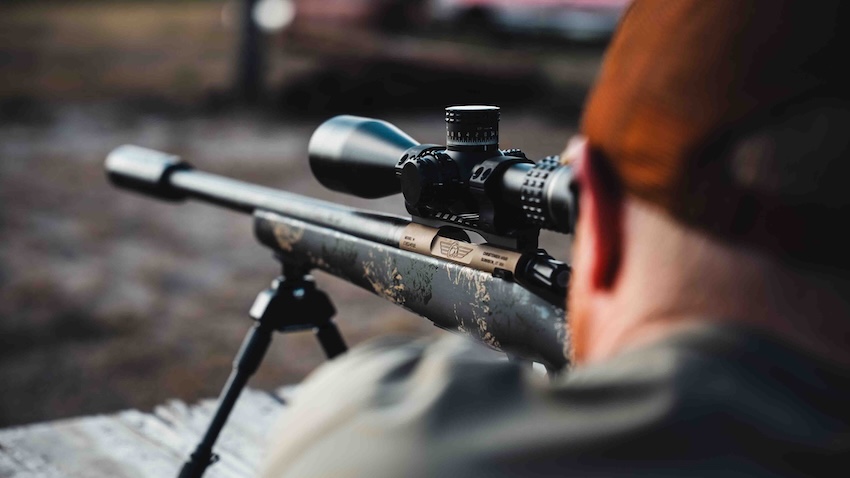
6. Start With a Barrel Built for Long Life
The most important decision for long-term rifle barrel life happens before the first round is fired: the barrel you choose. A precision barrel built from the right steel, rifled correctly, and finished to tight tolerances will hold accuracy longer and clean up easier.
Material matters. 416R stainless steel offers strong corrosion resistance in field conditions. Rifling and finishing matter too. A button-rifled and hand-lapped bore starts smoother, which means less fouling from round one.
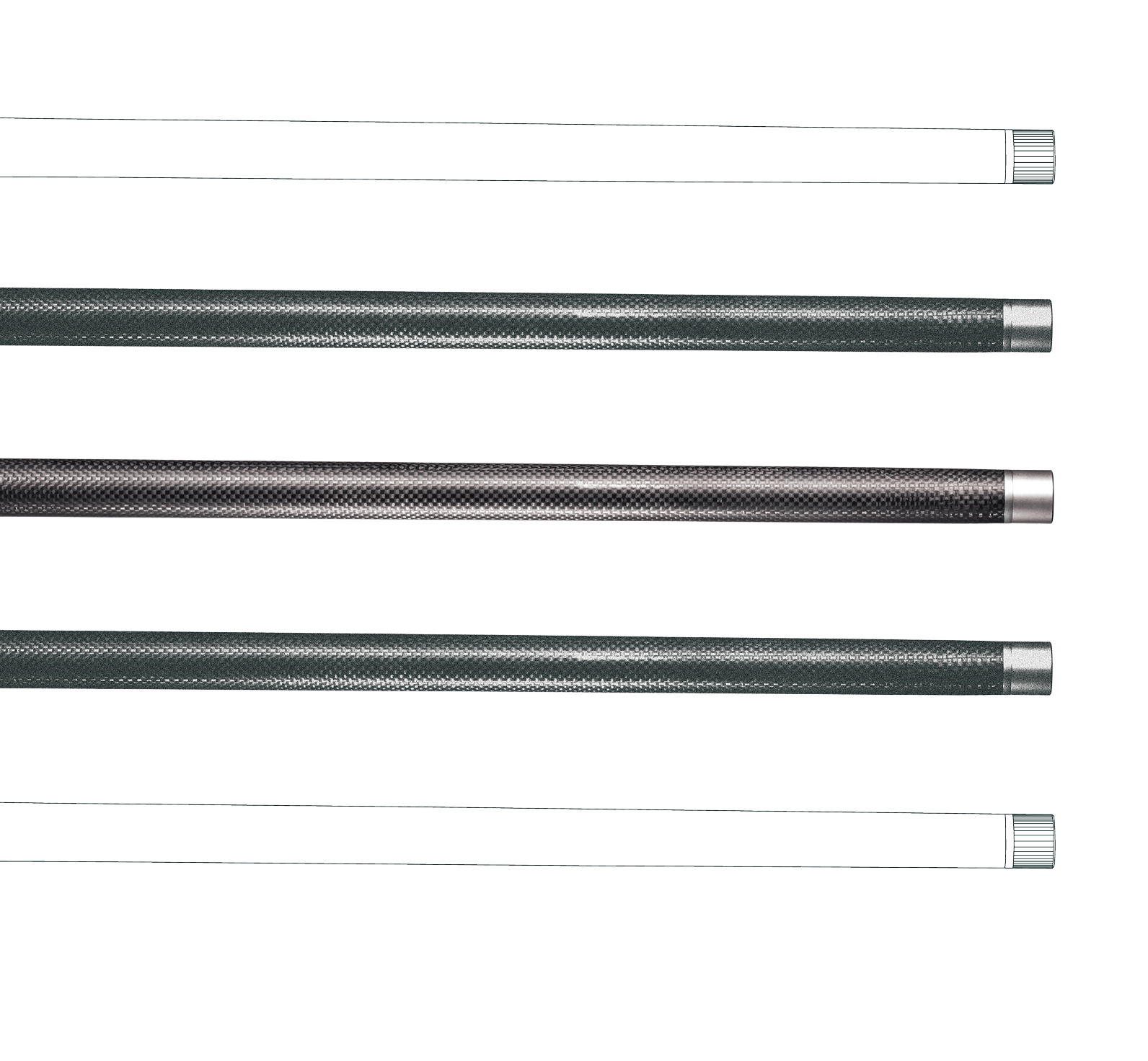
Aerograde Carbon Fiber Wrapped Barrels
Every Christensen Arms precision barrel starts with a 416R stainless steel core, button rifled, hand lapped, and match chambered to exacting tolerances. The Aerograde carbon fiber wrap adds rigidity without adding unnecessary weight and helps dissipate heat between shots.
The result is a barrel system built for consistent accuracy, stable performance, and long service life.
The Bottom Line
Rifle barrel life is ultimately a product of choices: how you break it in, how hard you run it, how carefully you clean it, and how you store it between seasons.
Treat your barrel like the precision instrument it is, and it will return the favor every time you pull the trigger.
The shooter who respects their equipment does not just shoot better. They shoot better for longer.
Built to Perform. Built to Last.
Start with a precision Christensen Arms barrel, then protect it with smart break-in, cooling, cleaning, ammo, and storage habits.
Take care of the barrel. Keep the accuracy. Explore the Full Lineup We use cookies on our website to give you the most relevant experience by remembering your preferences and repeat visits. By clicking "Allow all", you consent to the use of ALL the cookies.