Rifle Barrel Guide
RIFLE BARRELS
EXPLAINED:
WHY DESIGN MATTERS
How material, contour, length, twist rate, rifling, and chamber design shape weight, handling, and performance
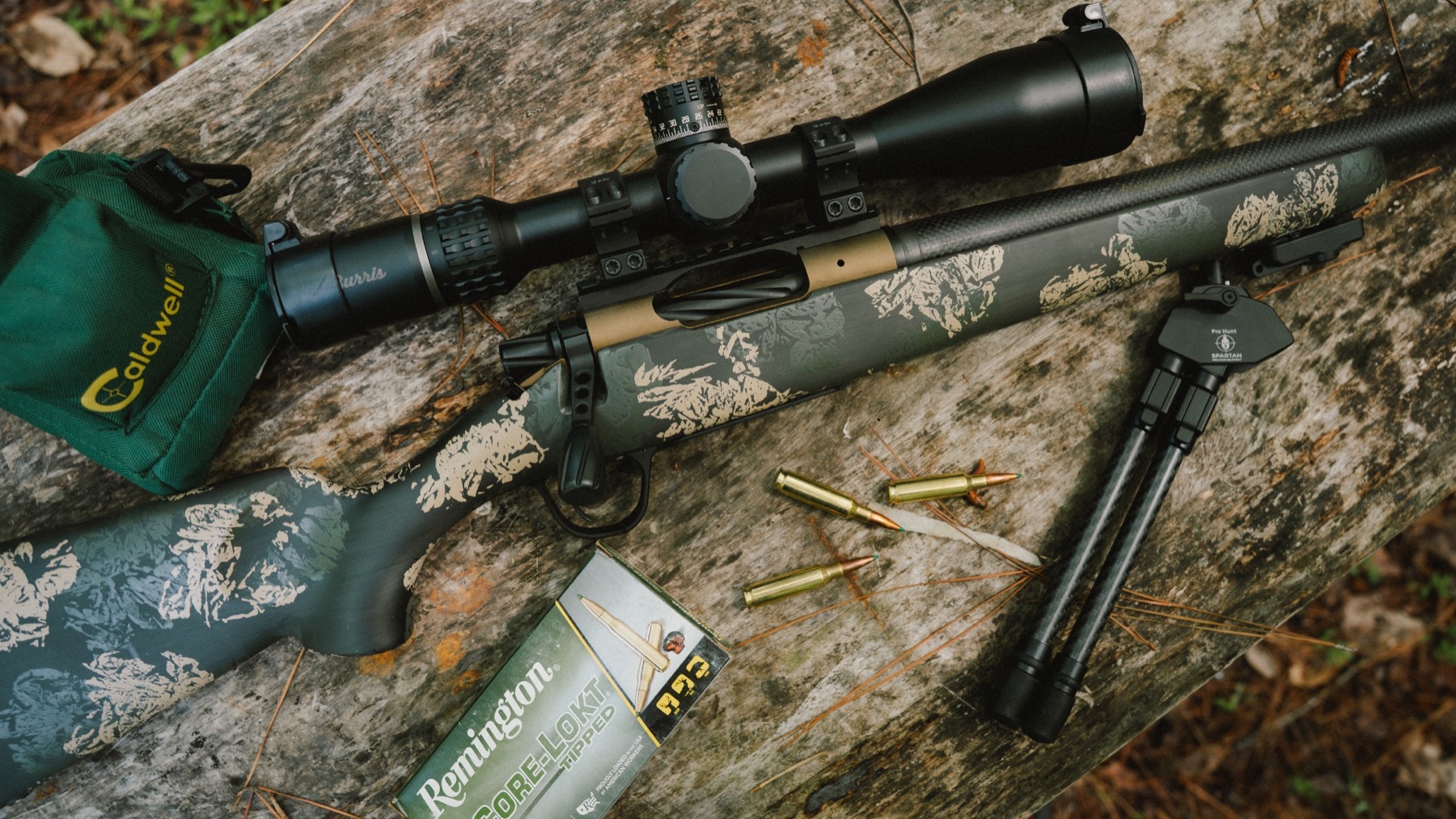
Rifle barrels do far more than guide a bullet toward the muzzle. Barrel material, contour, length, twist rate, chamber dimensions, rifling, and muzzle configuration all influence how a rifle carries, balances, manages heat, stabilizes a bullet, and performs from shot to shot.
Understanding those design choices makes it easier to compare rifles and choose a barrel that fits the job. A lightweight hunting rifle, a long-range platform, and a high-volume range rifle may all benefit from very different barrel configurations.
What Does a Rifle Barrel Do?
When a cartridge fires, expanding gas drives the bullet through the bore. The barrel contains that pressure, guides the bullet, and uses spiral rifling to create the spin needed for stabilization. The chamber, bore, rifling, crown, and muzzle must work together as a precise system.
Supports the Cartridge
The chamber positions the cartridge and contains pressure as firing begins.
Guides and Spins
The bore guides the bullet while the lands and grooves impart stabilizing rotation.
Sets the Structure
Outside diameter and taper influence barrel weight, stiffness, balance, and heat capacity.
Controls the Exit
The crown provides the bullet's final contact point, while muzzle threads may support a brake or suppressor.
Steel and Carbon Fiber Rifle Barrels
Most modern precision rifle barrels rely on steel for the bore and chamber. Steel provides the strength, machinability, and wear characteristics needed to contain pressure and guide the bullet. The design question is how much steel is used and whether another material reinforces the exterior.
Stainless-Steel Barrels
A traditional stainless-steel barrel uses a continuous steel structure from chamber to muzzle. Its contour determines much of its weight and stiffness. A slim sporter contour saves weight, while a heavier contour adds material that can increase rigidity and heat capacity.
Carbon Fiber-Wrapped Barrels
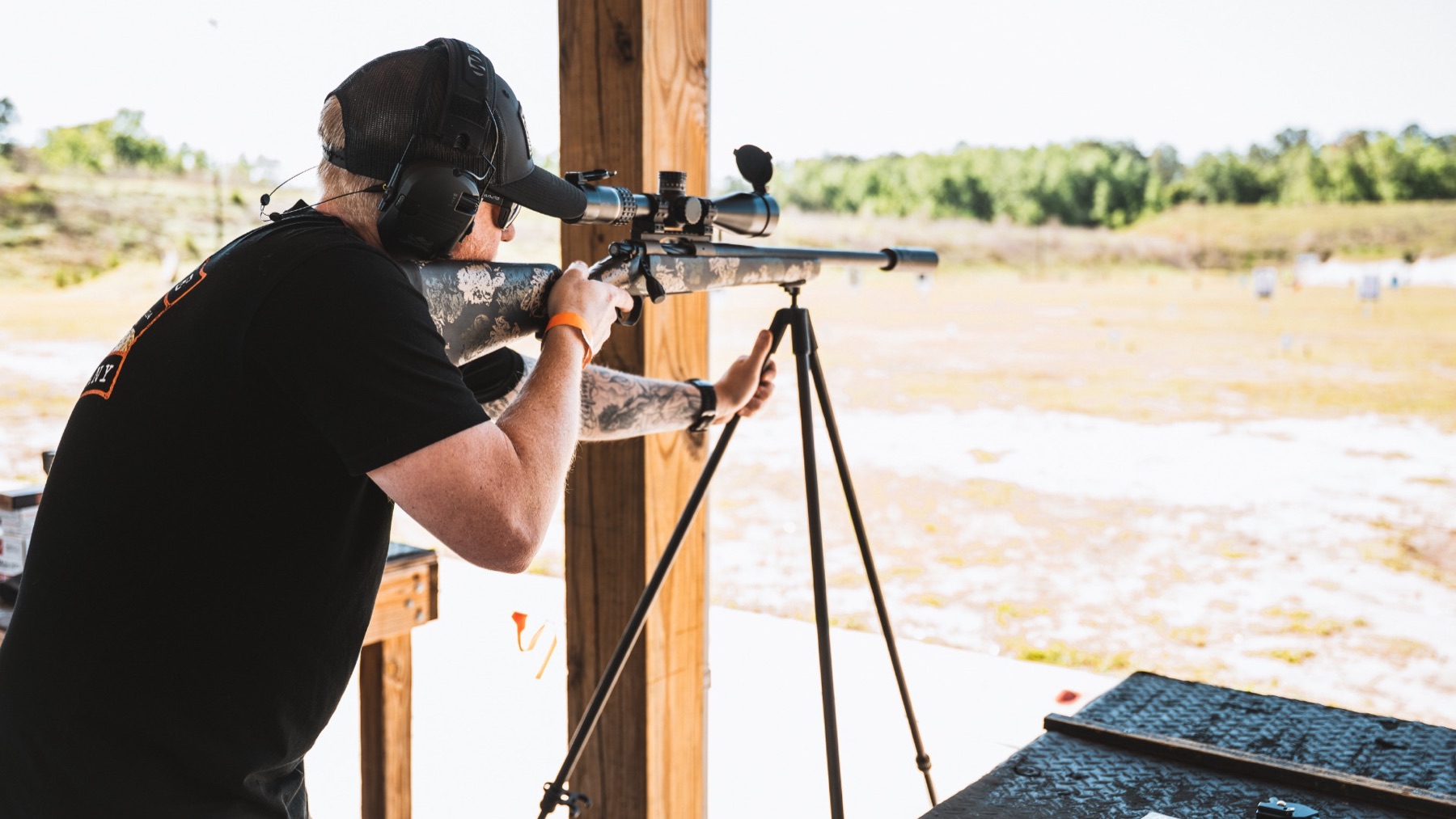
A carbon fiber-wrapped barrel retains a steel core for the chamber and bore, then uses a composite wrap around a reduced steel profile. Christensen Arms rifle barrels begin with 416R stainless steel that is drilled, button rifled, turned to a slim profile, and wrapped in a proprietary carbon fiber composite.
The goal is not simply to make a barrel look different. It is to preserve useful rigidity while reducing the amount of steel required in the outer profile. Learn more about the construction on the Christensen Arms barrel technology page.
Why Rifle Barrel Contour Matters
Barrel contour describes the outside profile and taper from the chamber area toward the muzzle. A lighter contour removes material to reduce carry weight. A heavier contour retains more material, usually increasing barrel weight, rigidity, and heat capacity.
| Barrel Profile | Typical Advantage | Common Tradeoff |
|---|---|---|
| Light / Sporter | Low carry weight and quick handling | Lower heat capacity during longer strings of fire |
| Medium | Balance between portability and stability | More weight than a dedicated lightweight contour |
| Heavy / Target | High rigidity, stability, and heat capacity | More demanding to carry in the field |
| Carbon Wrapped | Large external profile and rigidity without the full weight of comparable solid steel | Higher manufacturing complexity and cost |
No contour is universally best. The right choice depends on whether the rifle spends more time being carried, fired from supported positions, or used for repeated strings at the range.
How Rifle Barrel Length Changes Performance
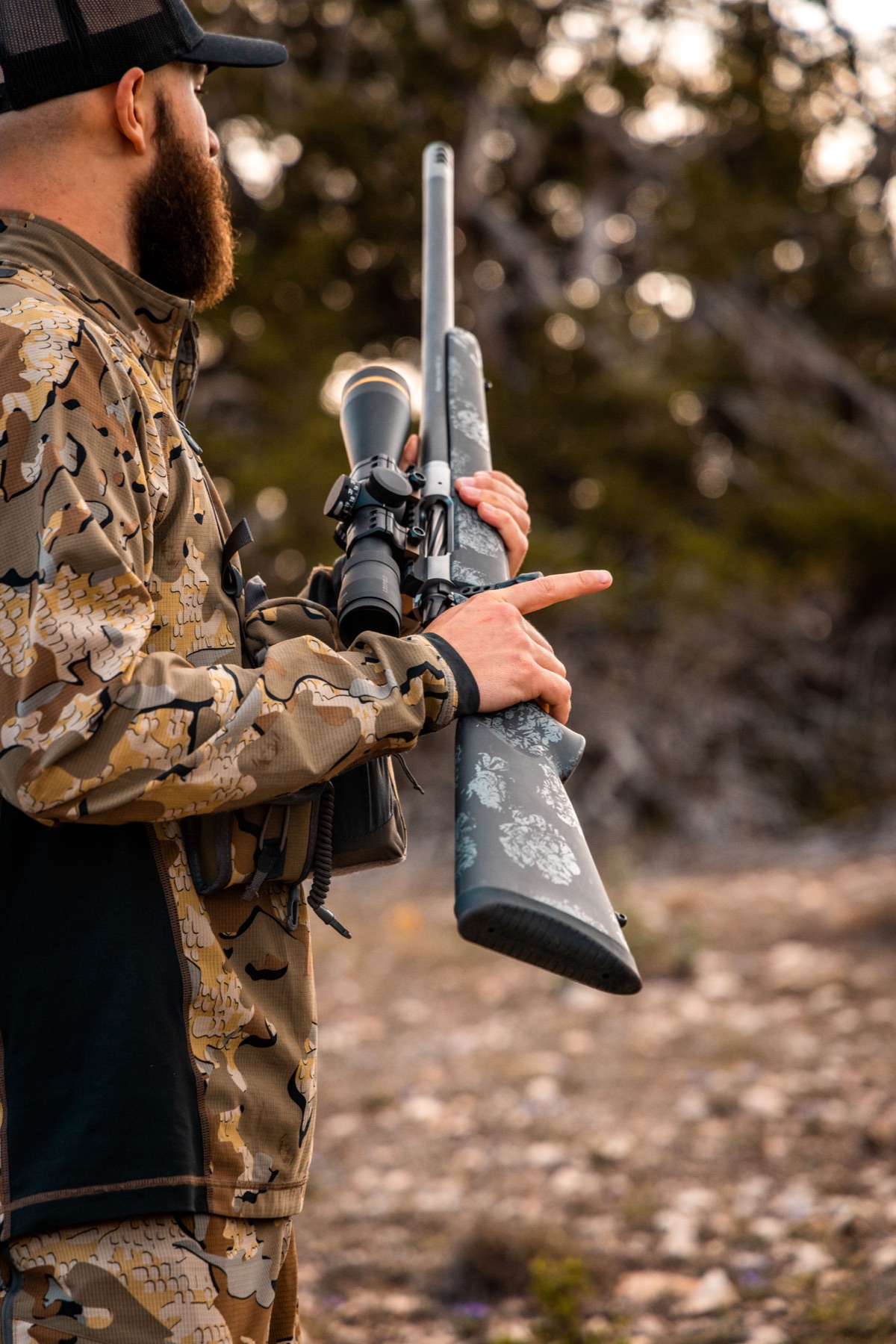
Barrel length influences velocity, handling, balance, muzzle blast, and the rifle's overall size. A longer barrel gives propellant more time to accelerate the bullet, but the actual velocity change depends on the cartridge, load, and specific barrel.
Shorter barrels can be quicker to maneuver and easier to use with a suppressor because they reduce total system length. They may also produce more muzzle blast and lower velocity than a longer barrel in the same chambering.
Barrel length alone does not determine accuracy. Manufacturing quality, chamber and crown consistency, ammunition, barrel harmonics, rifle setup, and shooter input all contribute to repeatable results.
Rifle Barrel Twist Rate Explained
Twist rate describes how quickly the rifling rotates a bullet. A 1:8 twist means the rifling completes one full revolution in eight inches of barrel travel. A smaller second number indicates a faster twist.
The correct twist rate depends primarily on bullet length, diameter, construction, and velocity. Longer projectiles generally require faster twist rates for adequate stabilization. Because two bullets of the same weight can have different lengths and shapes, bullet weight alone is only a starting point.
Use the rifle and ammunition manufacturers' recommendations when matching bullets to a barrel. For standardized cartridge and chamber drawings, consult the technical resources from SAAMI.
Rifling, Chambers, Crowns, and Muzzle Threads
The most visible barrel specifications are only part of the design. Several precision surfaces directly influence bullet alignment and consistency.
- Rifling: Lands and grooves spin the bullet. Button rifling forms this geometry by drawing or pushing a precision button through the bore.
- Chamber: The chamber positions and supports the cartridge. Its relationship to the bore is critical to alignment and reliable function.
- Throat: The transition ahead of the chamber guides the bullet toward the rifling and changes through normal barrel wear.
- Crown: A clean, uniform crown helps gas release evenly as the bullet exits the muzzle.
- Muzzle threads: Threads allow compatible brakes, suppressors, or thread protectors to be installed. Alignment and correct installation matter.
Barrel Heat, Harmonics, and Accuracy
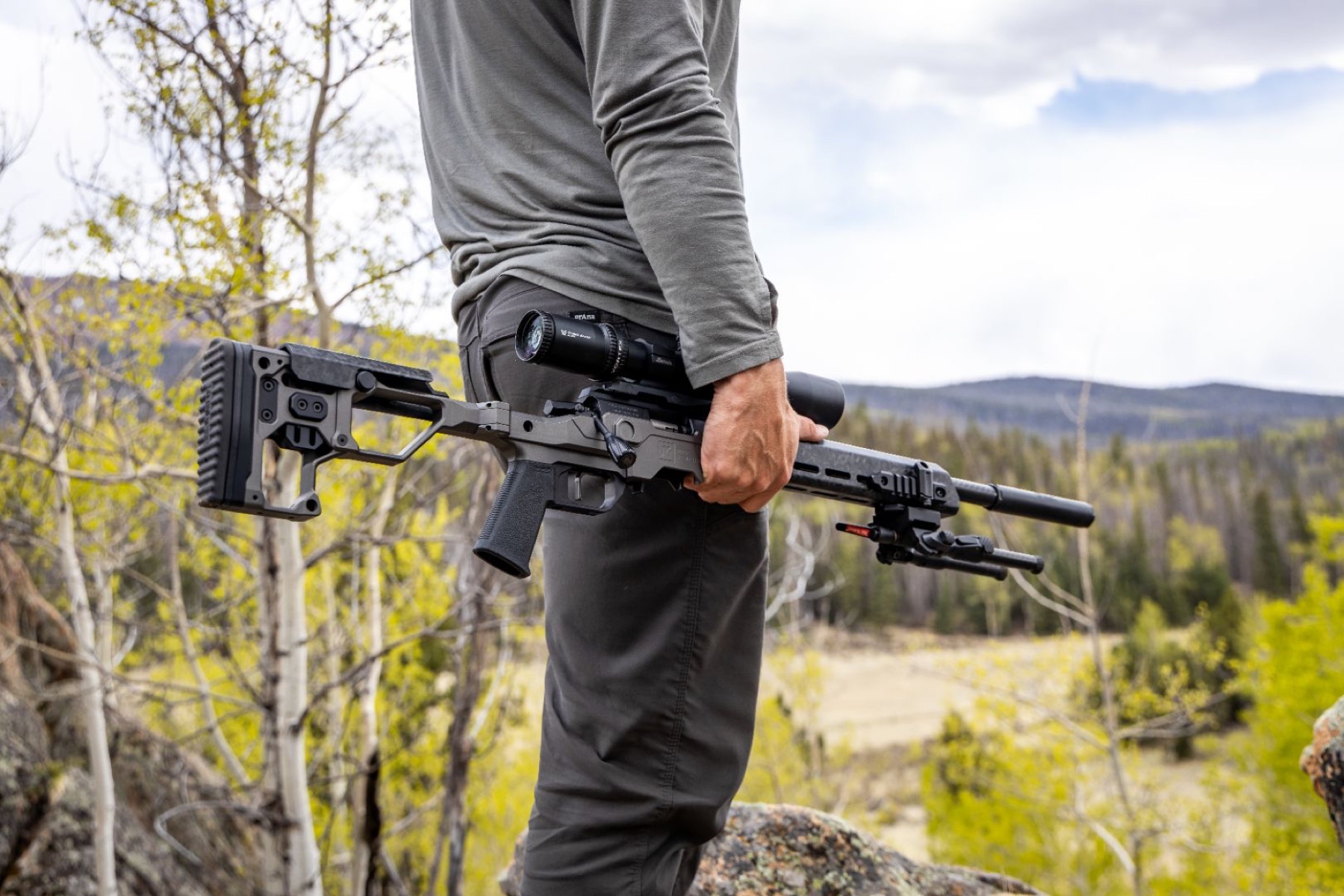
Every shot adds heat and creates vibration. Barrel design influences how quickly temperature rises, how heat moves through the structure, and how the barrel vibrates as the bullet travels toward the muzzle.
Those vibrations are commonly described as barrel harmonics. Contour, material, attachment, ammunition, and muzzle devices can all affect the pattern. A well-designed rifle seeks repeatable behavior rather than eliminating vibration entirely.
Accuracy is ultimately a system result. The barrel matters, but so do the action, bedding or chassis, trigger, optic mounting, ammunition, environmental conditions, and shooter. A premium barrel cannot compensate for every weakness elsewhere in the system.
How to Choose the Right Rifle Barrel
- Match the chambering and twist rate to the bullets and application you intend to use.
- Choose a contour that balances carry weight, stability, and expected firing volume.
- Select barrel length based on cartridge performance, handling, and the total length of any suppressor or muzzle device.
- Consider stainless steel for straightforward durability or carbon fiber when reducing weight without moving to a very slim external profile is a priority.
- Confirm muzzle thread pitch, stock or chassis barrel-channel clearance, action compatibility, and installation requirements.
- Have replacement barrels installed and headspaced by a qualified gunsmith unless the system is specifically designed for safe user installation.
Rifle Barrels FAQ
Are longer rifle barrels more accurate?
Not automatically. Length can affect velocity and handling, but repeatable accuracy depends on barrel quality, chambering, ammunition, harmonics, rifle setup, and shooter execution.
What is the advantage of a carbon fiber rifle barrel?
A carbon fiber-wrapped design can provide useful rigidity and a substantial external profile with less weight than a comparable solid-steel contour.
What does a 1:8 barrel twist mean?
It means the rifling completes one full revolution every eight inches. Whether that twist is appropriate depends on the cartridge and bullet being used.
How long does a rifle barrel last?
Barrel life varies with cartridge, pressure, velocity, firing schedule, heat, maintenance, and accuracy expectations. High-intensity cartridges and sustained heat generally accelerate throat wear.
Built Around the Barrel
Explore Christensen Arms carbon fiber rifle barrels and learn how aerospace-inspired construction brings together precision, rigidity, and field-ready weight.
Explore Barrel Technology