Field Support Guide
BUILD A MORE
STABLE RIFLE:
BIPODS, RAILS
& ADAPTERS
Build a steadier, faster-deploying rifle setup without carrying unnecessary weight
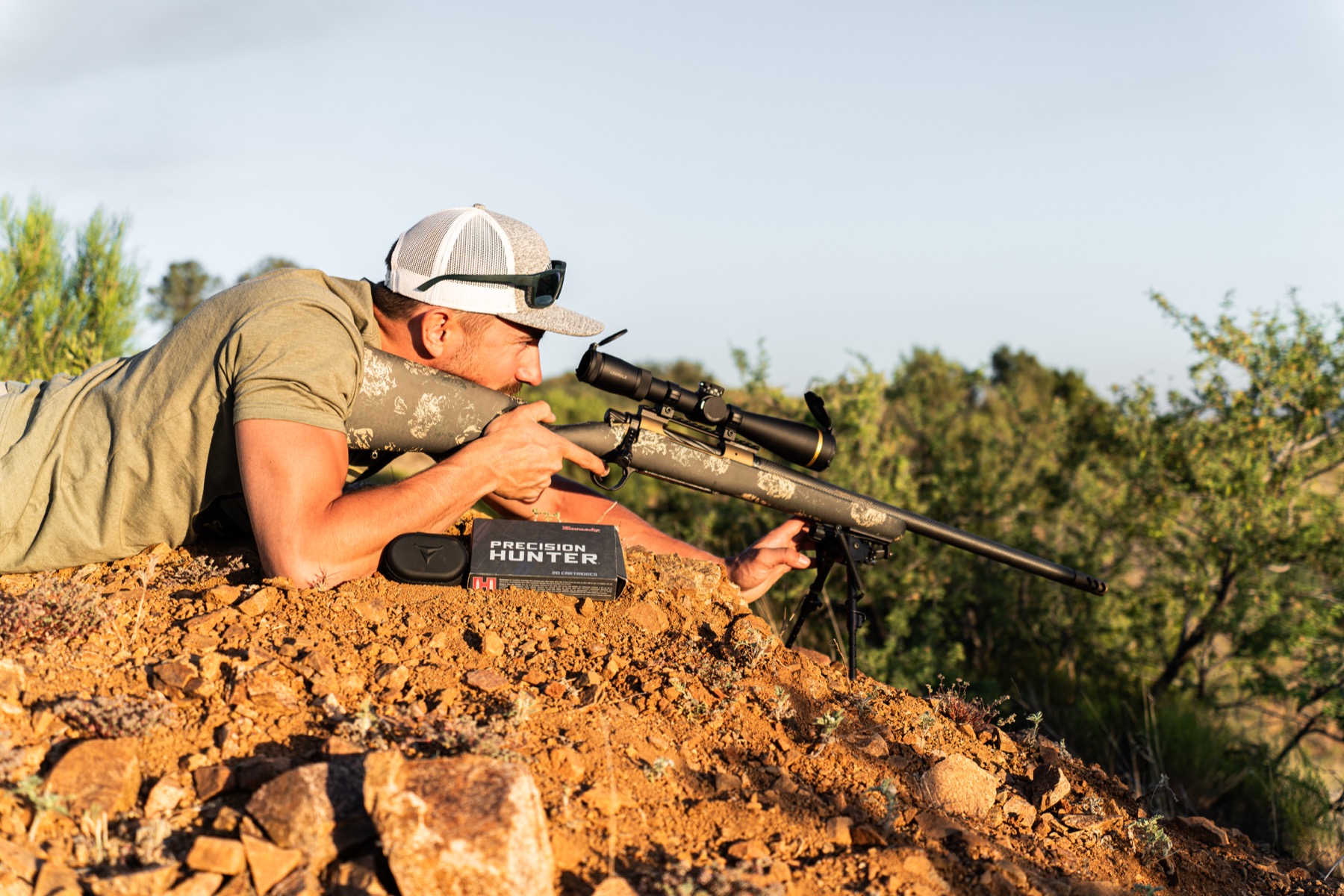
Rifle accessories such as a rifle bipod, Picatinny rail, and correctly matched bipod adapter can make it easier to build a stable shooting position in uneven terrain. The best setup is not the one carrying the most hardware. It is the one that deploys quickly, supports the shot, and stays practical on the carry in.
Start with the positions and terrain you expect to use. Then choose the support and attachment interface that fit the rifle, rather than adding rifle rail accessories first and trying to make the system work afterward.
How Rifle Accessories Create a More Stable Setup
Stability begins with the shooter's position. A bipod, rail, or adapter cannot correct a rushed setup, poor natural point of aim, or inconsistent shoulder pressure. What the right accessories can do is create a repeatable interface between the rifle and the ground, pack, tripod, or other support.
Build the Foundation
Set bone support, body alignment, and natural point of aim before relying on equipment.
Control Elevation
A bipod or pack supports the forend and helps the rifle settle at the correct height.
Refine the Hold
A rear bag, pack, or controlled support hand helps make smaller elevation corrections.
Remove Movement
The rail and adapter should lock securely without shifting, rattling, or changing rifle balance.
Choose each accessory for a specific shooting position. If it does not improve stability, deployment, or carry, it probably does not belong on the rifle.
Choosing a Rifle Bipod for the Field
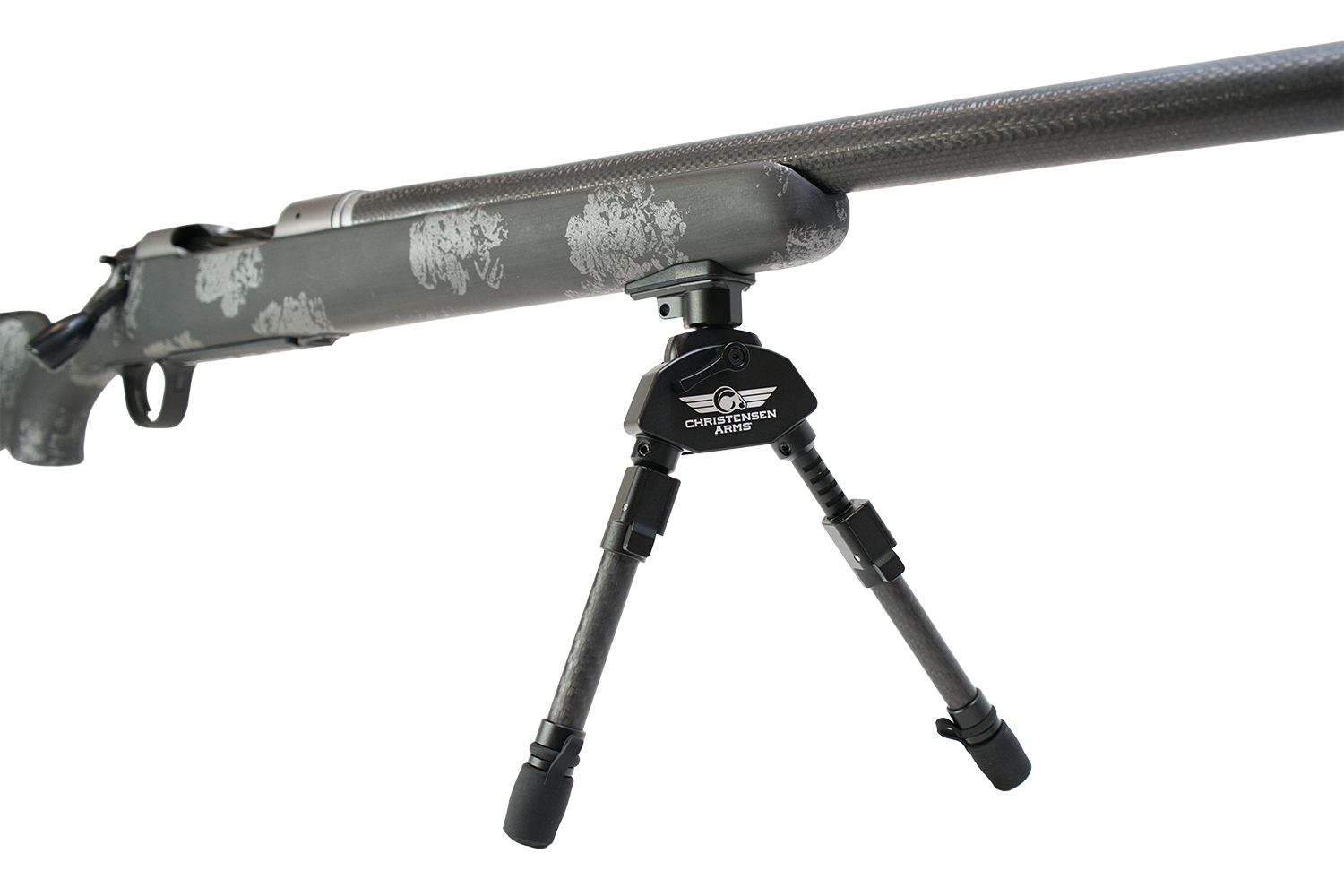
A rifle bipod is most useful when prone, seated, or low-angle shots are realistic. Leg height should match the vegetation and slope, while cant allows the rifle to level on uneven ground. Pan can help track a moving animal without lifting and rebuilding the entire position.
Consider how the bipod rides during the hunt. A permanently mounted model is always ready, while a quick-detach design keeps the rifle cleaner during long carries and can move between rifles fitted with compatible adapters.
| Bipod Style | Best Fit | Tradeoff |
|---|---|---|
| Quick Detach | Backcountry hunts and rifles shared with one support system | Requires a compatible adapter and practiced deployment |
| Rail Mounted | Rifles with Picatinny or M-Lok attachment points | Adds hardware and may remain on the rifle during carry |
| Tripod Support | Seated, kneeling, tall vegetation, and steep terrain | More equipment to carry and slower to position than a low bipod |
Picatinny Rails and Rifle Rail Accessories
A Picatinny rail gives compatible rifle accessories a standardized mounting surface. For a field rifle, the useful question is not how much rail space is available, but where the bipod or adapter needs to sit for a natural support-hand position and clean deployment.
Keep unused rail space clear. Extra clamps and adapters add weight, create snag points, and can shift balance forward. Confirm the rail specification, mounting hardware, and clearance before ordering, then use the manufacturer's installation and torque guidance.
Matching a Bipod Adapter to the Rifle
The correct bipod adapter depends on the rifle's existing interface. A Picatinny-equipped rifle can use a compact rail adapter. A traditional stock with two sling studs may be better served by an adapter that preserves a sling attachment point and adds a short rail. A flush gunsmith adapter is another option when a clean installation is the priority.
Javelin Picatinny Rail Adapter
A 1.1-ounce 7075 aluminum adapter that uses 20mm of rail space and connects compatible Javelin support systems.
Shop Rail AdapterClassic Rifle Adapter & Pic Rail
A 0.8-ounce adapter for compatible dual-stud rifles, with a QD sling point and short Picatinny rail.
Shop Rifle AdapterUniversal Gunsmith Adapter
A low-profile 0.3-ounce option designed to be bonded into a compatible wood or synthetic stock by a qualified installer.
Shop Gunsmith AdapterSpartan's official adapter guide and product lineup also shows how Picatinny, M-Lok, sling-stud, and other interfaces connect to its support systems. Confirm compatibility with the exact rifle and accessory before installation.
Building Rifle Stability for Real Terrain
- Open ground: A low rifle bipod works well when vegetation permits a prone position and the legs can find solid contact.
- Uneven slopes: Cant helps level the rifle without forcing the shooter's shoulders out of position.
- Tall grass or brush: Longer bipod legs, a seated position, shooting sticks, or tripod support may provide the needed clearance.
- Rock and hard ground: Confirm the feet grip securely and load the support without allowing it to skate.
- Confined blinds: Check that legs, rail accessories, and sling hardware do not collide with the window or shooting rest.
Practice deployment from the same carry position you will use during the hunt. A fast attachment system only saves time when the movements are familiar and quiet.
Rifle Accessories Setup Checklist
- Verify the rifle rail and bipod adapter match the exact mounting interface.
- Install hardware to the product manufacturer's instructions and torque values.
- Check that the bipod locks securely, deploys quietly, and clears the sling and support hand.
- Test leg height, cant, and pan on flat ground, side slopes, and realistic field positions.
- Inspect the complete rifle for added weight, forward balance, noise, and snag points.
- Confirm zero after installation and before the hunt.
Rifle Bipod, Rail, and Adapter FAQ
Does every hunting rifle need a bipod?
No. A bipod is valuable when prone or seated shots are likely, but a pack, tripod, shooting sticks, or natural rest may be more useful in other terrain.
What height rifle bipod should I choose?
Choose enough height to clear expected vegetation and terrain while keeping the position as low and stable as practical. Test the setup before the hunt.
Can a Picatinny adapter fit any rifle rail?
No. Confirm the rifle uses the specified Picatinny interface and that the adapter has enough rail space and clearance for proper installation.
Can one bipod be used on multiple rifles?
A compatible quick-detach system can move between rifles when each rifle has the correct adapter installed. Verify every connection before use.
BUILD A STEADIER RIFLE SETUP.
Match your rifle bipod, rail, and adapter to the terrain and shooting positions you expect in the field.
Explore Rifle Accessories We use cookies on our website to give you the most relevant experience by remembering your preferences and repeat visits. By clicking "Allow all", you consent to the use of ALL the cookies.