

High-Country Field Guide
HIGH-ELEVATION HUNTING:
HOW THE MOUNTAIN TESTS YOUR RIFLE
Altitude, weather, wind, and terrain can change the demands on your complete rifle system
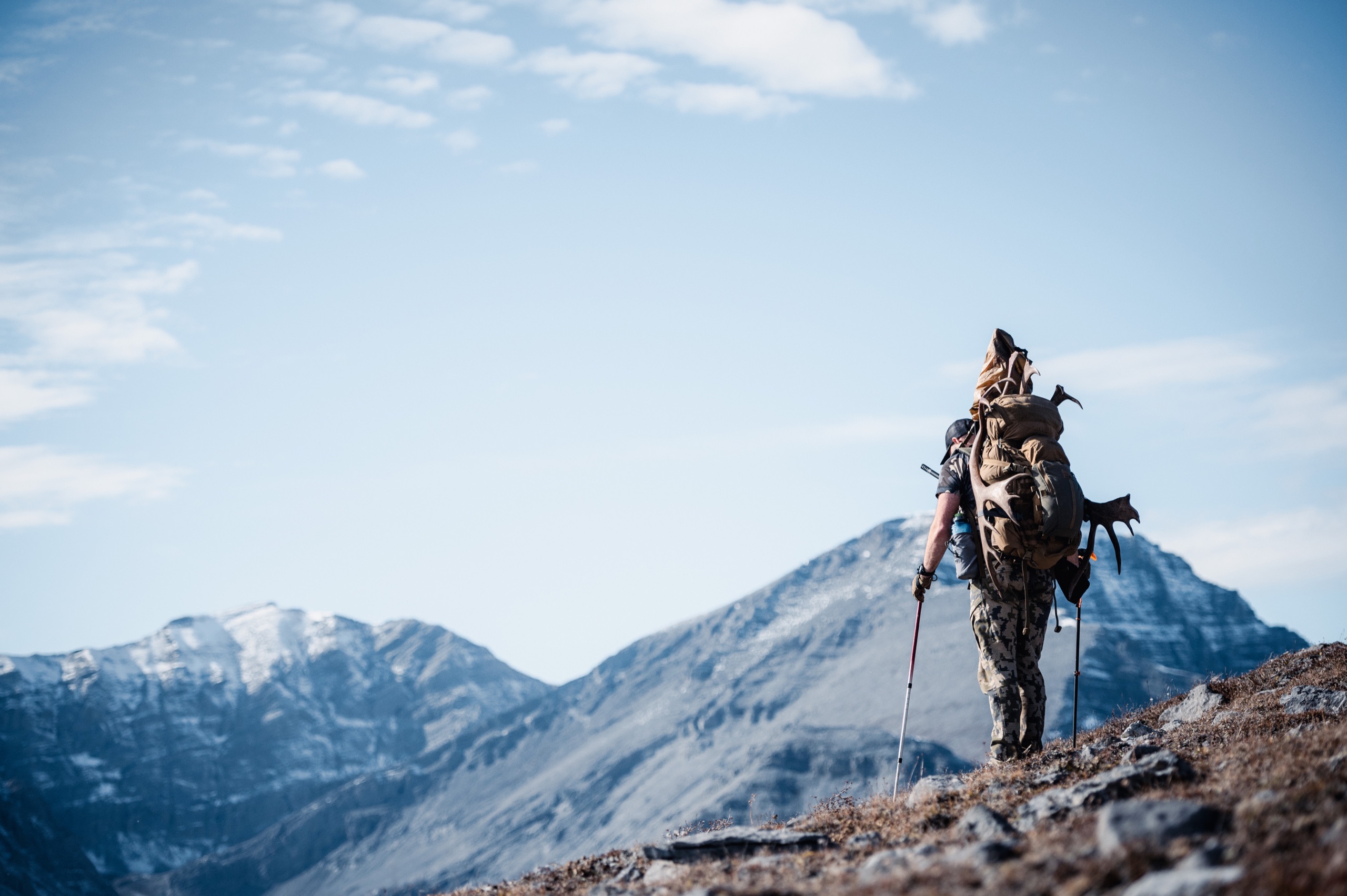
A high elevation hunting rifle is tested by more than the climb. Thinner air changes drag, mountain winds shift across broken terrain, temperature can swing sharply, and steep shot angles make a familiar setup feel different from the one you confirmed at the range.
Good western hunting preparation means treating the rifle, optic, ammunition, support, and hunter as one system. The goal is not to predict every mountain variable. It is to arrive with verified data, dependable equipment, and enough field practice to recognize when the shot is right.
How Altitude Changes Rifle Performance
Air density generally decreases as elevation increases. With less aerodynamic drag, a bullet may retain velocity differently than it did where the rifle was zeroed. Temperature, pressure, and humidity also influence the shooting environment, so a trajectory built at low elevation should not be treated as automatically correct in the mountains.
Confirm the rifle with the exact hunting load and use reliable environmental inputs when building ballistic data. If possible, verify at or near the elevation and temperature expected during the hunt. Printed data and a proven backup method still belong in the pack when electronics are unavailable.
A ballistic prediction is a starting point, not a substitute for confirmation. Establish a personal maximum distance from demonstrated field accuracy in conditions you can read and manage.
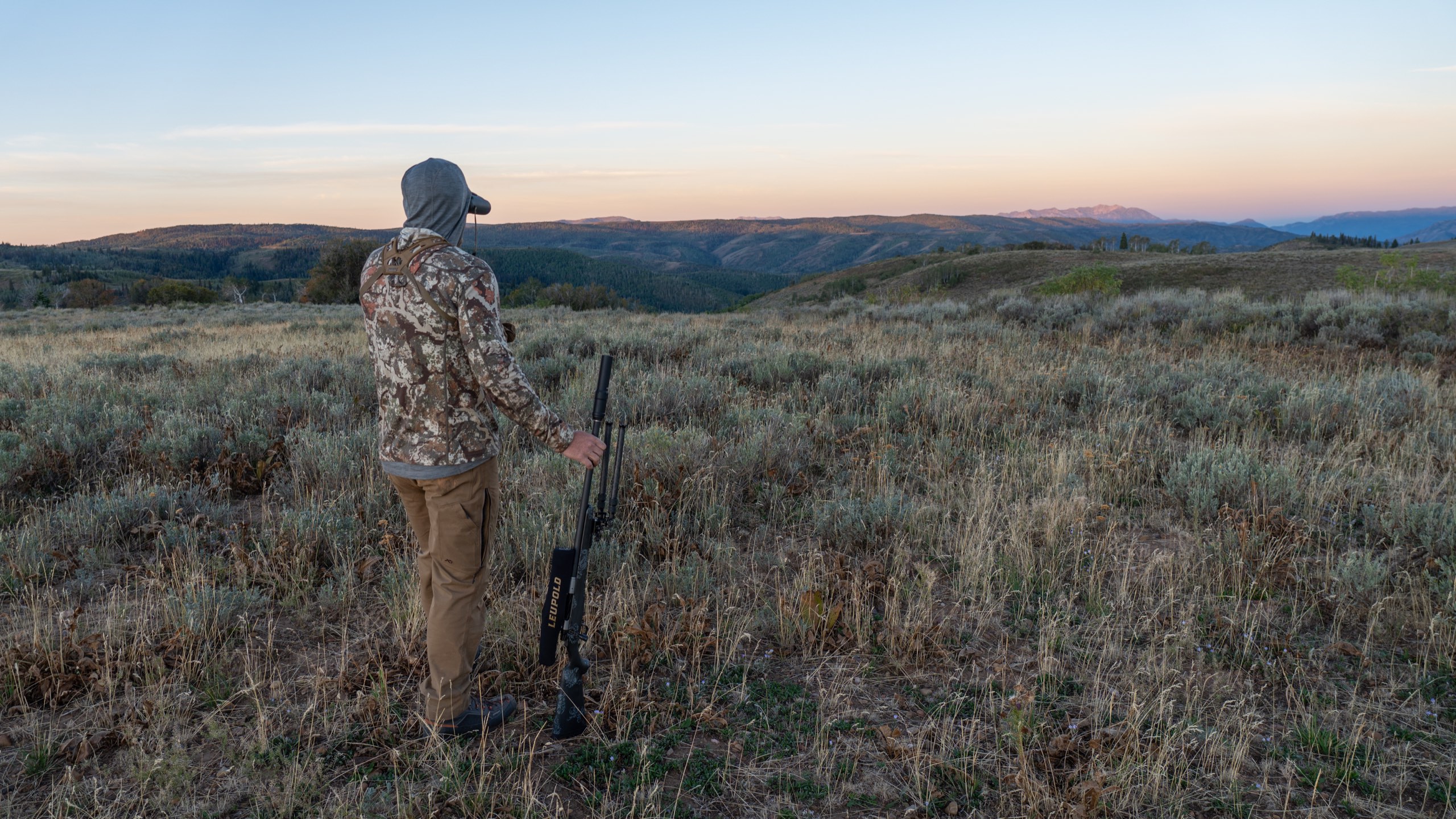
Cold, Moisture, and Fast Weather Changes
High country can move from sun to snow in a single day. Cold affects the hunter first: dexterity, breathing, pace, and decision-making can all decline. It can also expose weaknesses in batteries, lubricants, ammunition consistency, and accessories that seemed dependable in mild weather.
Moving a cold rifle into a warm shelter can create condensation on metal, glass, and internal surfaces. Protect the muzzle from snow and debris, keep the action reasonably clean and dry, and inspect the rifle after wet travel. The National Weather Service cold-weather guidance is also worth reviewing before a late-season or exposed high-country hunt.
Protect Dexterity
Practice operating the safety, bolt, and support gear while wearing the gloves and layers you will hunt in.
Keep the Bore Clear
Prevent rain, snow, and loose debris from entering the muzzle, and inspect the rifle after exposure.
Plan for Fogging
Keep lenses clean and manage transitions between cold outdoor air and warmer enclosed spaces.
Carry a Backup
Cold can shorten battery life, so bring spares and retain a way to work without electronics.
Mountain Wind Is a Terrain Problem
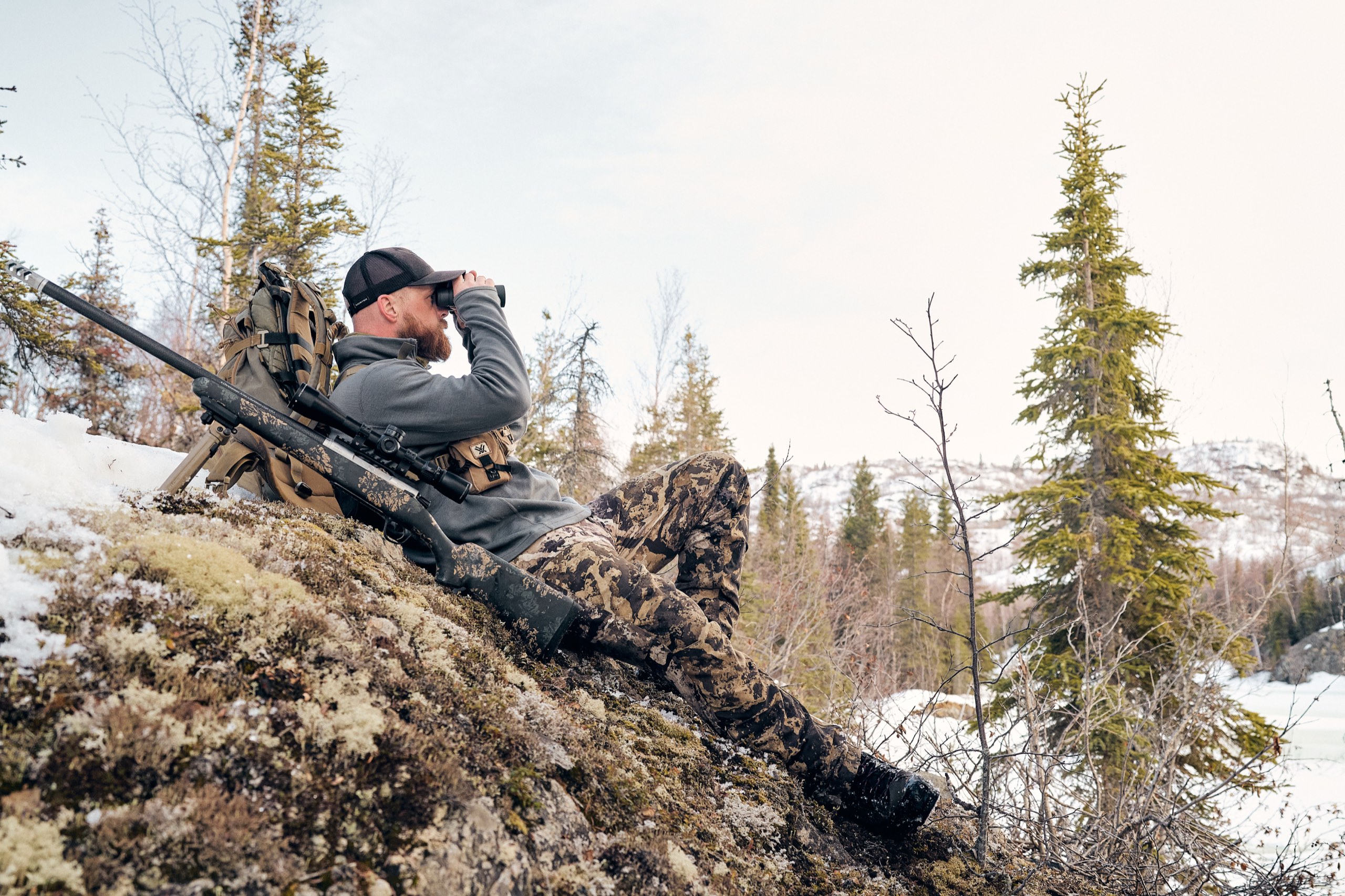
Wind in open country is rarely uniform from muzzle to target. Ridges, draws, cliffs, timber, and sun-warmed slopes can redirect or accelerate air across different parts of the bullet's path. A calm firing position does not guarantee calm conditions farther downrange.
Use vegetation, dust, mirage, and other available indicators to build a fuller picture. Practice making conservative decisions when the wind cannot be read with confidence. In mountain terrain, knowing when to wait or close distance is part of accurate shooting.
Steep Terrain Changes the Shooting Position
Uphill and downhill shots alter body position, support, recoil management, and the horizontal component of distance. A rangefinder with angle compensation can help, but the hunter still needs a stable position, a level reticle, a clear background, and a safe recovery plan.
Train away from a flat bench. Practice prone over a pack, seated, kneeling, and supported by a tripod or natural rest. Wear the pack and layers you expect to carry. The more familiar the complete setup feels on uneven ground, the easier it is to recognize a shot that falls outside your capability.
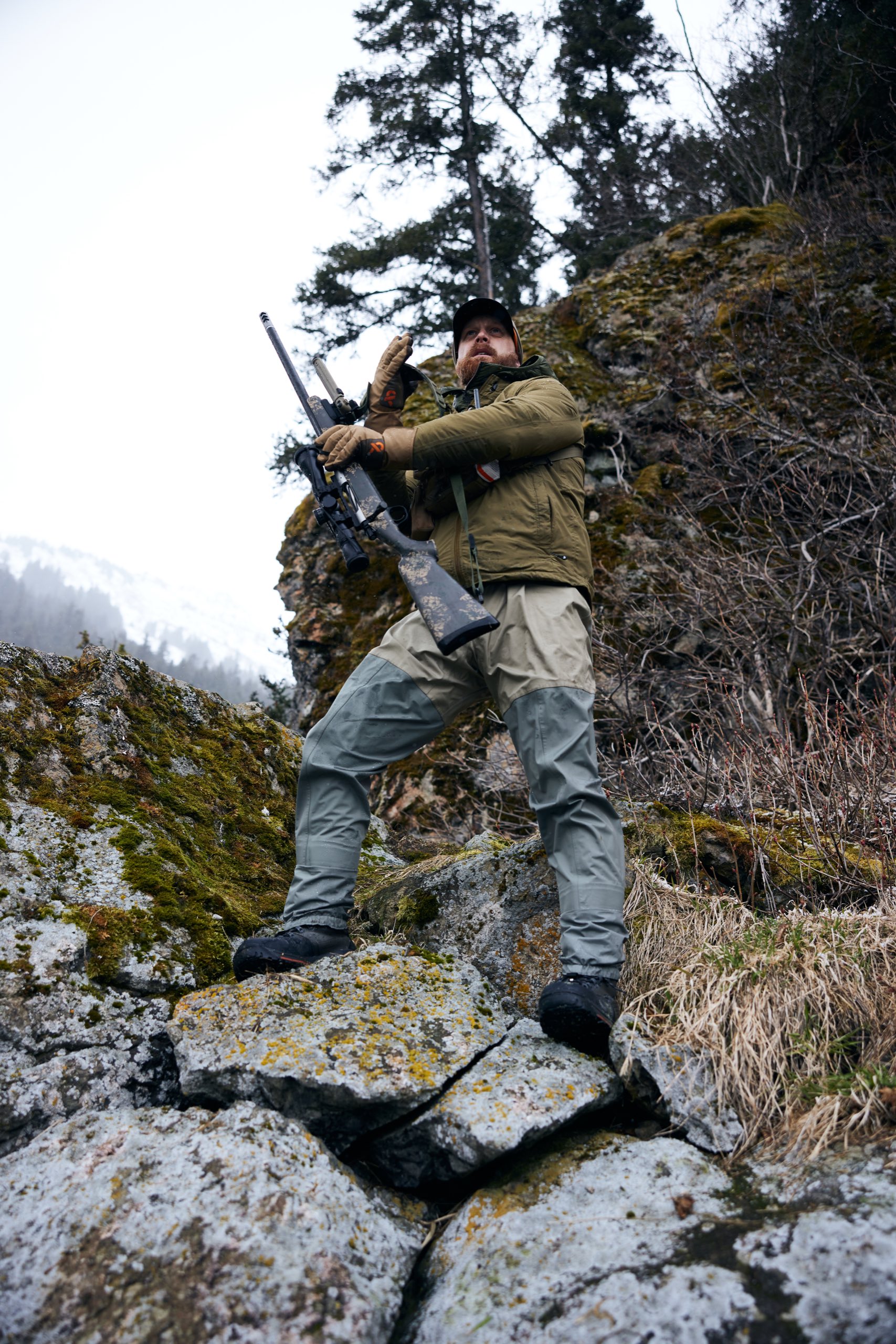
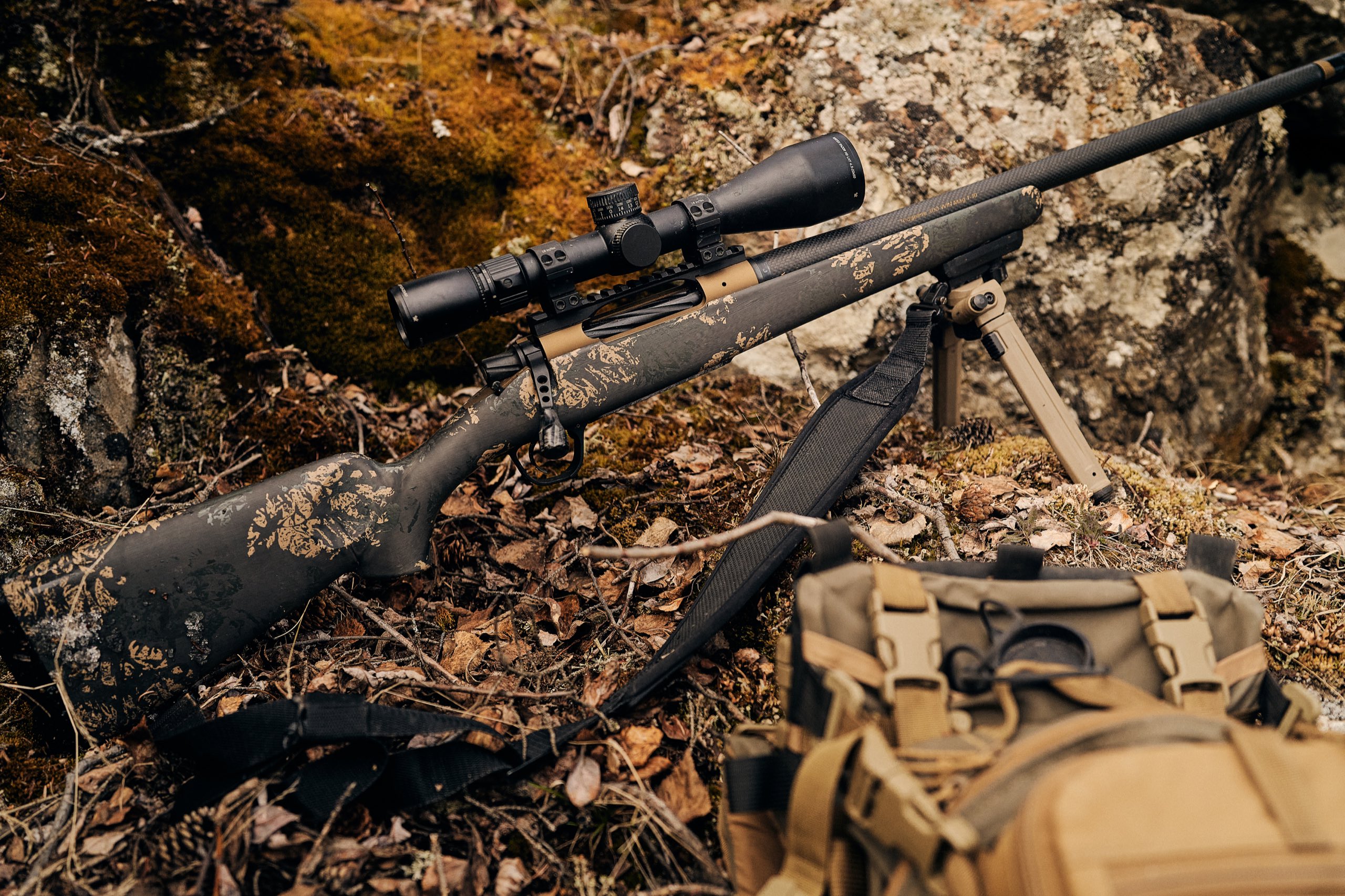
Terrain Tests the Complete Mountain Hunting Rifle
Published rifle weight is only the beginning. Optic, mounts, sling, ammunition, bipod, muzzle device, and suppressor all change total weight and balance. Assemble the field configuration before the hunt, weigh it, and carry it during training.
A mountain hunting rifle should move efficiently without becoming difficult to control after exertion. A sharply muzzle-heavy setup or oversized optic can feel slower and more tiring than the scale suggests. Choose a cartridge and finished configuration you can shoot confidently after a climb, not only from a rested bench.
High-Elevation Hunting Rifle Checklist
| Check | Before the Hunt | In the Field |
|---|---|---|
| Zero and Data | Confirm with the exact hunting load and realistic environmental inputs | Recheck after hard impact or a meaningful equipment change |
| Mounting | Inspect optic mounts, action screws, sling points, and support gear | Watch for movement, loose hardware, or a changed sight picture |
| Weather | Test gloves, batteries, lens care, and cold-weather operation | Protect the muzzle and manage moisture and condensation |
| Support | Practice with the pack, bipod, tripod, or natural rest you will carry | Build the most stable position terrain safely allows |
| Limits | Set a personal maximum range from demonstrated accuracy | Pass when wind, support, background, or recovery is uncertain |
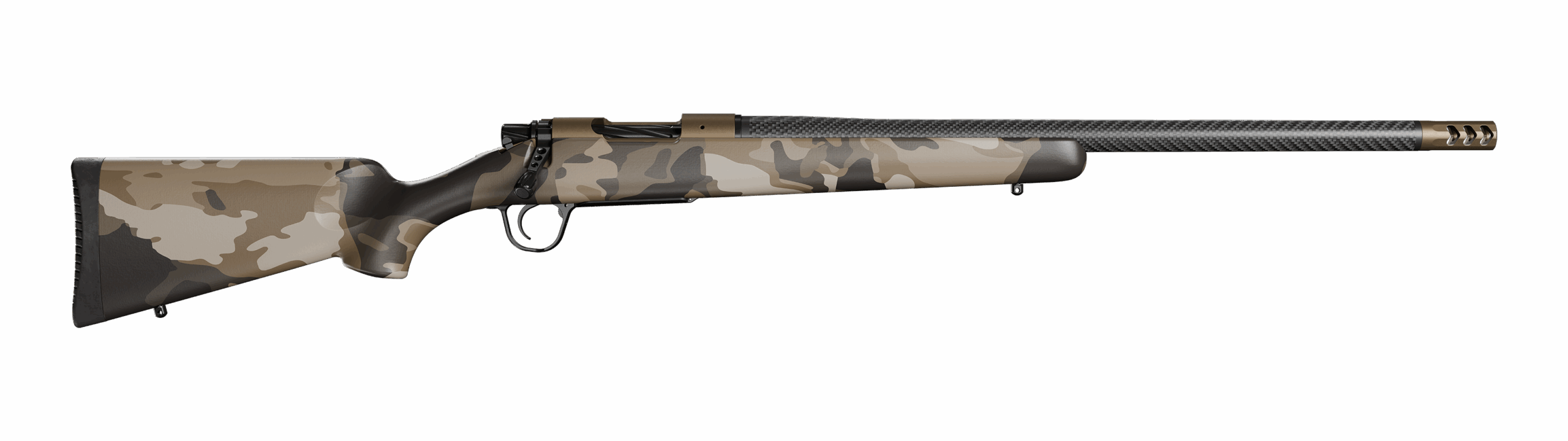
Mountain-Ready Christensen Arms Rifles
Both platforms use carbon fiber to keep field weight manageable, but they suit different priorities. Compare the complete configuration, available chambering, fit, accessory plan, and handling before choosing.
Ridgeline FFT
An ultralight FFT-stocked, carbon-barreled platform built around long mountain carries and proven field precision.
View Ridgeline FFTModern Carbon Rifle
A carbon-barreled rifle with an adjustable cheek riser, full-length M-LOK forearm, and attachment features for an adaptable field setup.
View Modern Carbon RifleHigh-Elevation Hunting Rifle FAQ
Does elevation change a rifle's zero?
The rifle's mechanical zero does not automatically move because elevation changes, but lower air density can change bullet flight. Confirm trajectory data with the actual load and expected conditions.
Should I confirm zero at hunting elevation?
If practical, yes. Confirmation near the expected elevation and temperature can expose differences in trajectory, equipment, ammunition, or shooter performance before the hunt begins.
What makes a rifle suitable for high country?
Manageable complete weight, dependable construction, proper fit, controllable recoil, verified accuracy, and familiarity from realistic field supports all matter.
How should I prepare for mountain weather?
Review the forecast, protect the bore, manage moisture, test operation with gloves, carry spare batteries, and understand how cold affects both the hunter and the complete rifle system.
Prepare for the Climb. Trust the Setup.
Explore Christensen Arms rifles built to balance manageable carry weight, adaptable field performance, and dependable precision in demanding terrain.
Explore Mountain-Ready Rifles We use cookies on our website to give you the most relevant experience by remembering your preferences and repeat visits. By clicking "Allow all", you consent to the use of ALL the cookies.
