Hunting Gear Guide
ESSENTIAL RIFLE
ACCESSORIES FOR
YOUR NEXT HUNT
Practical rifle gear for dependable optics, stable field positions, simple adjustments, and weight-conscious performance
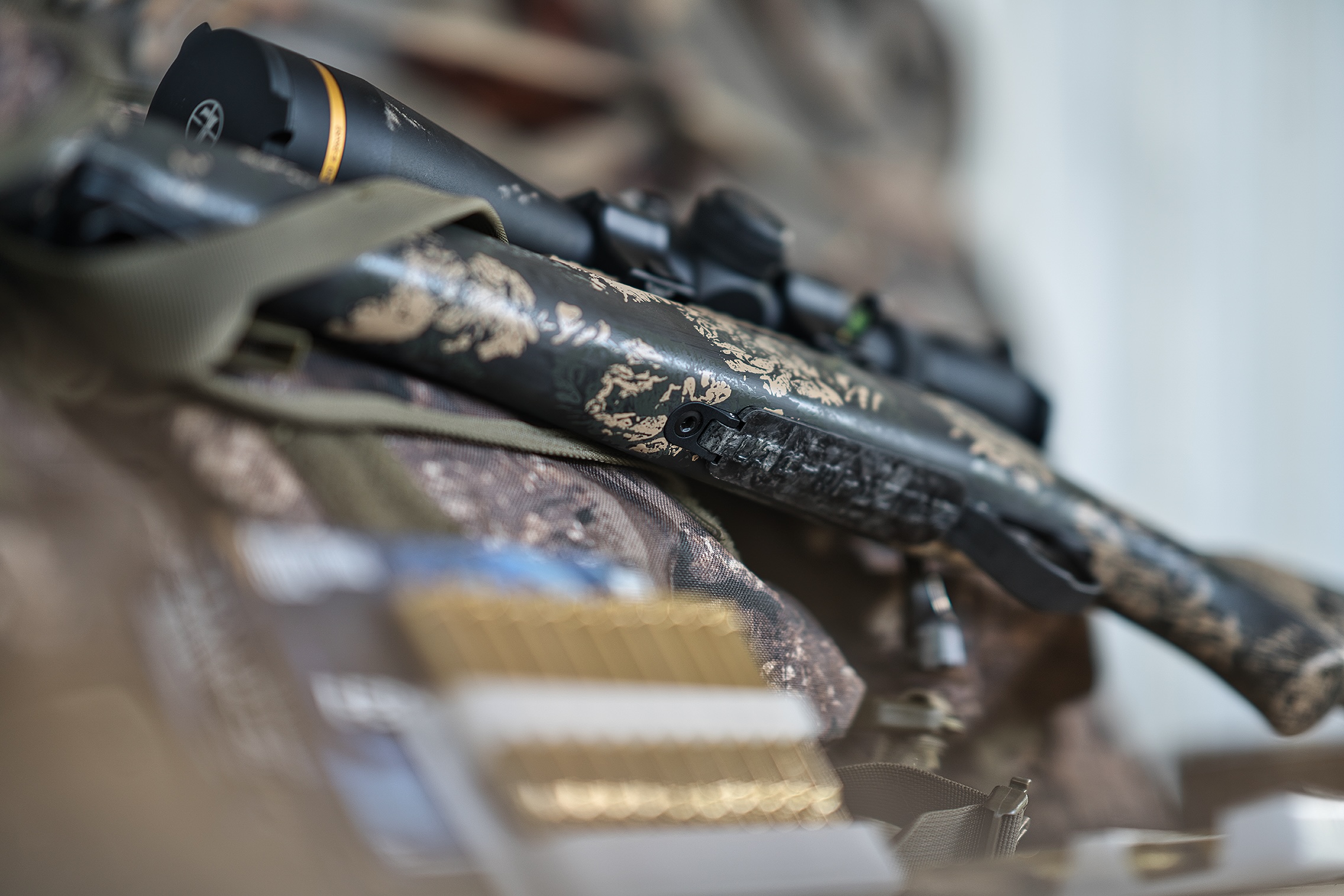
Hunting rifle accessories can help your rifle carry comfortably, hold zero, build a steadier shooting position, and stay serviceable when conditions change. The goal is not to attach every available piece of rifle gear. It is to choose a few dependable tools that solve the problems your hunt is likely to create.
Terrain, expected shot distance, shooting position, weather, and carry time should guide every choice. A backcountry setup may favor lightweight rifle accessories, while a blind or range-oriented hunt may allow more weight in exchange for stability and adjustability.
How to Choose Hunting Rifle Accessories
Start with the conditions you expect, then work backward. Every accessory should earn its place by improving stability, reliability, fit, or field serviceability without making the rifle awkward to carry.
Plan the Carry
Long climbs and rough approaches reward compact, lightweight gear that does not snag or shift.
Plan the Support
Prone shots favor a bipod, while timber or steep country may call for a pack, tripod, or natural rest.
Protect Reliability
Dust, snow, rain, and temperature swings influence the tools and protective items worth carrying.
Check the Balance
Evaluate the rifle after the optic, sling, ammunition, support, and muzzle device are installed.
A useful accessory should make a specific part of the hunt easier or more dependable. If it adds weight without solving a likely problem, leave it behind.
Hunting Rifle Accessories for Support: Bipods
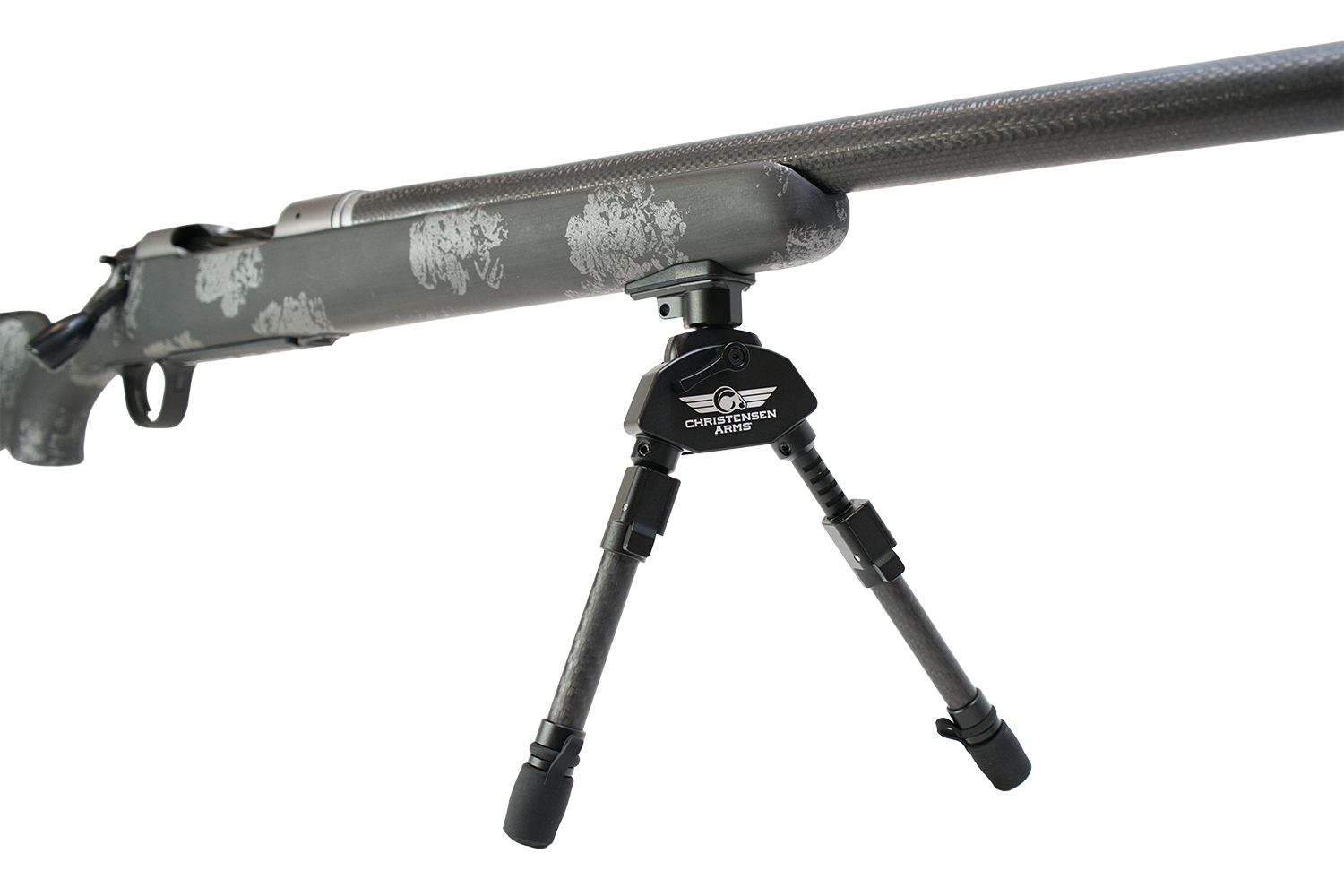
A hunting bipod can turn uneven ground into a repeatable shooting position, especially when prone or seated shots are likely. Look for dependable attachment, enough height for the terrain, useful cant and pan, and legs that deploy quietly without adding excessive bulk.
A bipod is not mandatory for every hunt. A backpack, tripod, shooting sticks, tree, or natural rest may be more practical in tall vegetation or steep terrain. Choose the support you have practiced with and can deploy quickly.
Scope Rings and Bases: Protect the Zero
The optic is only as dependable as the interface connecting it to the rifle. Rings and bases must match the scope tube, receiver or rail, and intended use. Ring height should provide objective and bolt clearance while keeping the optic low enough for a consistent cheek weld.
Use clean mounting surfaces, follow the ring and optic manufacturers' torque values, and tighten fasteners in the recommended sequence. More torque is not automatically better; overtightening can damage components or create uneven pressure.
| Mounting Choice | What to Check | Why It Matters |
|---|---|---|
| Base or Rail | Receiver compatibility and secure fasteners | Creates the foundation for consistent optic alignment |
| Ring Diameter | Exact match to the scope tube | Prevents improper clamping and movement |
| Ring Height | Objective, barrel, and bolt clearance | Supports clearance without sacrificing cheek weld |
| Torque | Manufacturer specifications and sequence | Protects components and helps maintain zero |
Rails and Attachment Points for Practical Rifle Gear
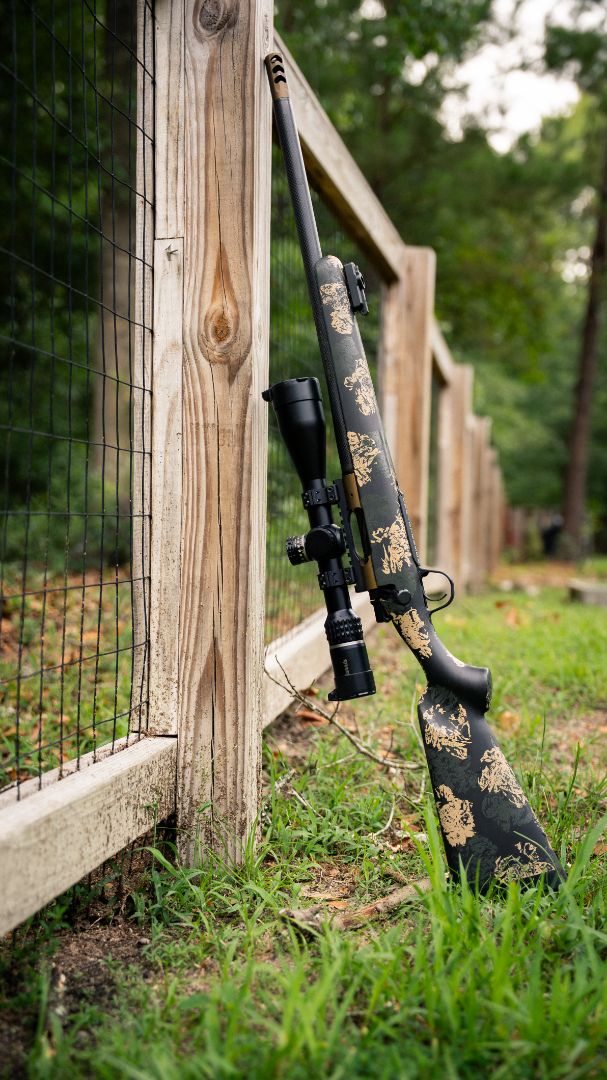
Picatinny rails and other attachment interfaces can make it easier to position a bipod, sling, or compatible field accessory. The best setup places each attachment where it can be reached and used without interfering with the support hand, magazine, or normal carry.
Keep unused rail space clear. Extra adapters and accessories add weight, create snag points, and can change balance. Confirm fasteners are secure before the hunt and inspect them after hard travel or repeated recoil.
Muzzle Brakes and Recoil Management
A compatible muzzle brake can reduce felt recoil and muzzle movement, helping a hunter stay behind the rifle through the shot. It also redirects gas and increases blast around the shooter, so the benefits should be weighed against hunting partners, terrain, and shooting position.
Verify thread pitch, shoulder geometry, bore clearance, and correct installation before use. Always use appropriate eye and hearing protection; the National Shooting Sports Foundation explains why both matter during shooting and firearm maintenance.
Compact Rifle Toolkits for Setup and the Field
Most torque work belongs at the bench before the hunt. A calibrated torque wrench helps install bases, rings, and other fasteners consistently, while a compact field kit handles simple checks away from home. Carry only the bits that fit your rifle and optic system.
Wheeler Digital F.A.T. Wrench
Live and peak readings, audible and visual indicators, included bits, and a protective case support repeatable fastener torque during rifle and optic setup.
Shop Digital F.A.T. Wrench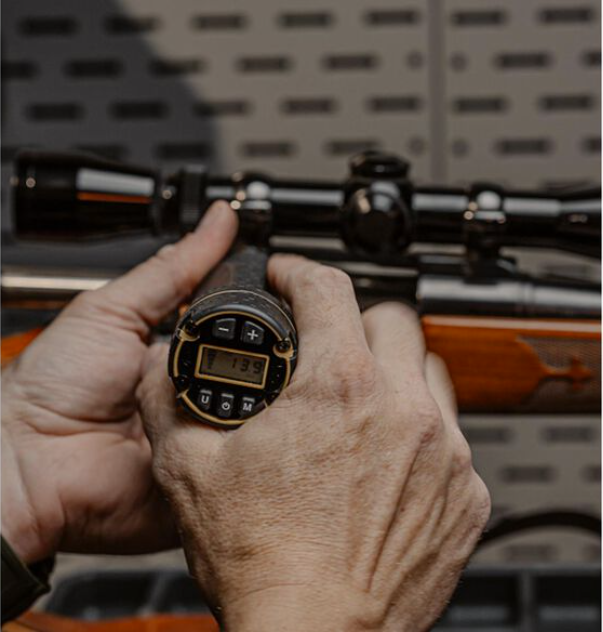
- Correct bits: Bring only the Torx, hex, or driver sizes used by the rifle, optic, and mounts.
- Reference values: Keep manufacturer torque specifications accessible instead of relying on memory.
- Small essentials: Include a clean cloth, lens care, thread protector, and spare optic or rangefinder battery as needed.
- Know the limit: Field tools are for simple checks, not improvised repairs that require a qualified gunsmith.
Lightweight Hunting Rifle Accessories and Upgrades
Barrels and stocks are permanent components rather than pack-on accessories, but they have a major effect on carry weight, balance, fit, and attachment options. Hunters building on a compatible Remington 700 footprint can use carbon fiber components to reduce mass while preserving useful rigidity.
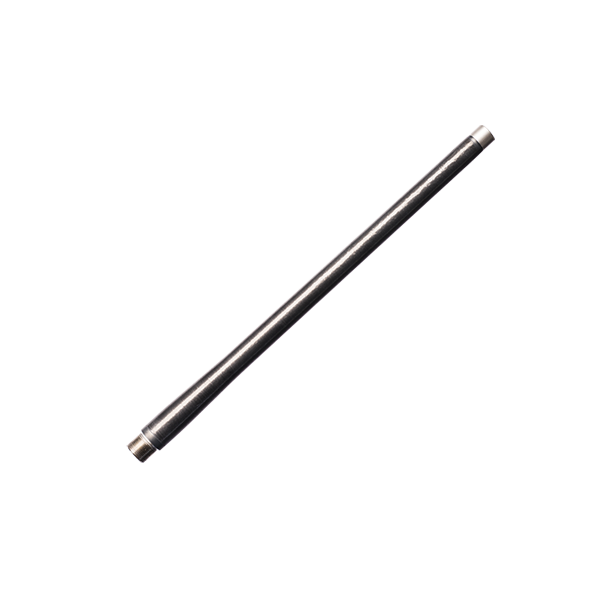
Modern Carbon Barrel
A button-rifled, carbon fiber-wrapped barrel for compatible Remington 700 actions, designed for lightweight performance, useful rigidity, and heat management.
Shop Modern Carbon Barrel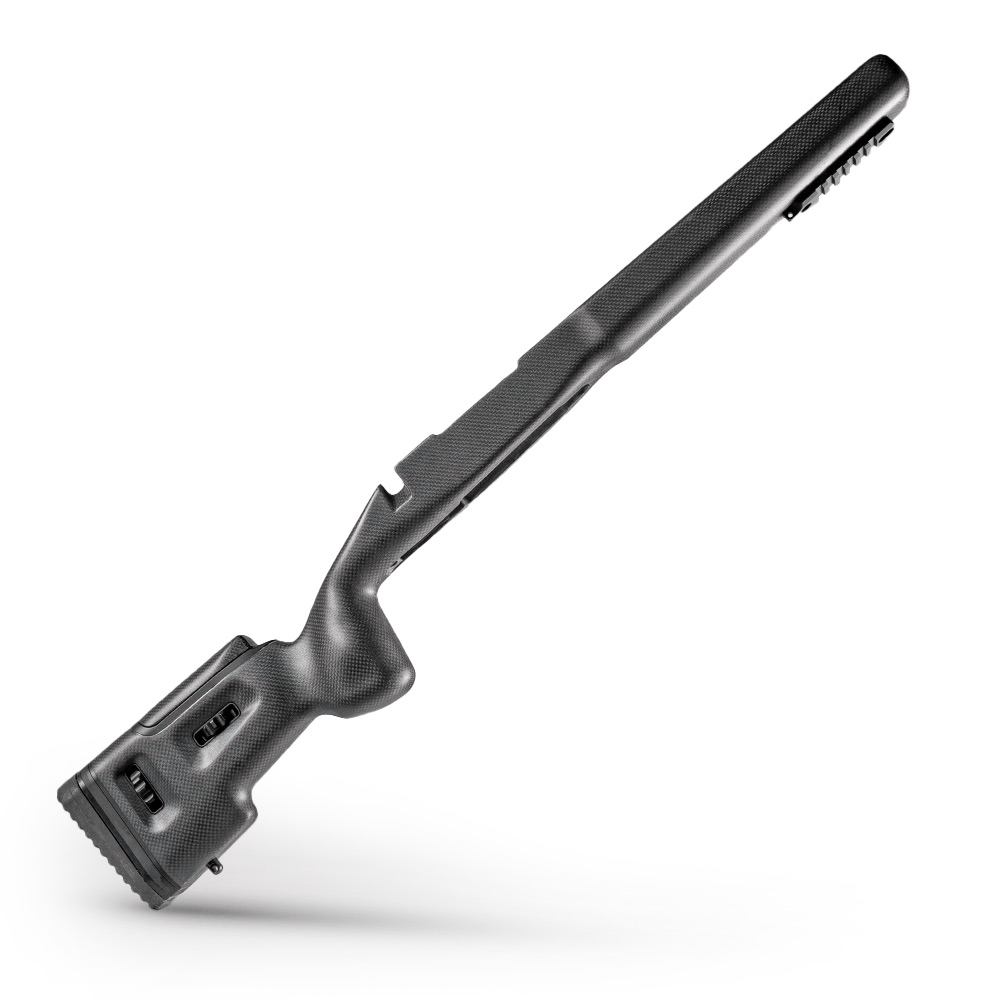
TFM Aerograde Carbon Fiber Stock
An adjustable Remington 700 stock with bedding pillars, cheek and length-of-pull adjustment, recoil pad, and a front Picatinny rail with sling mount.
Shop TFM StockConfirm action footprint, inlet, barrel contour, hardware, and installation requirements before ordering. Barrel fitting and any work affecting headspace or safety should be completed and verified by a qualified gunsmith.
Hunting Rifle Accessories Checklist for the Field
- Confirm the optic, rings, and base are secure and zeroed with the hunting ammunition.
- Practice deploying the sling, bipod, tripod, pack, or other field support.
- Inspect the muzzle brake, suppressor mount, or thread protector for correct installation.
- Pack the correct driver bits, essential batteries, lens care, and a clean cloth.
- Check the complete rifle for balance, snag points, noise, and comfortable carry.
- Test every new accessory at the range before taking it into the field.
Hunting Rifle Accessories FAQ
What rifle accessories are essential for hunting?
A dependable optic and mounts, sling, suitable field support, and a small rifle-specific tool kit cover the most common needs. The exact list should match the terrain and shooting positions.
Does every hunting rifle need a bipod?
No. Bipods are valuable when prone or seated shots are likely, but a backpack, tripod, shooting sticks, or natural rest may work better in some terrain.
How tight should scope rings be?
Use the torque value and tightening sequence specified by the ring and optic manufacturers. Do not assume one value applies to every product.
How do I keep rifle gear lightweight?
Choose accessories that solve a likely field problem, weigh the complete setup, remove redundant attachments, and practice with the same configuration you will hunt with.
Build Smarter. Carry Only What Matters.
Choose hunting rifle accessories and component upgrades that support the shot, protect reliability, and earn their place in the field.
Explore the Javelin Bipod We use cookies on our website to give you the most relevant experience by remembering your preferences and repeat visits. By clicking "Allow all", you consent to the use of ALL the cookies.