Barrel Guide
CARBON FIBER
VS. STEEL
BARRELS
Which Barrel Type Fits Your Hunt?
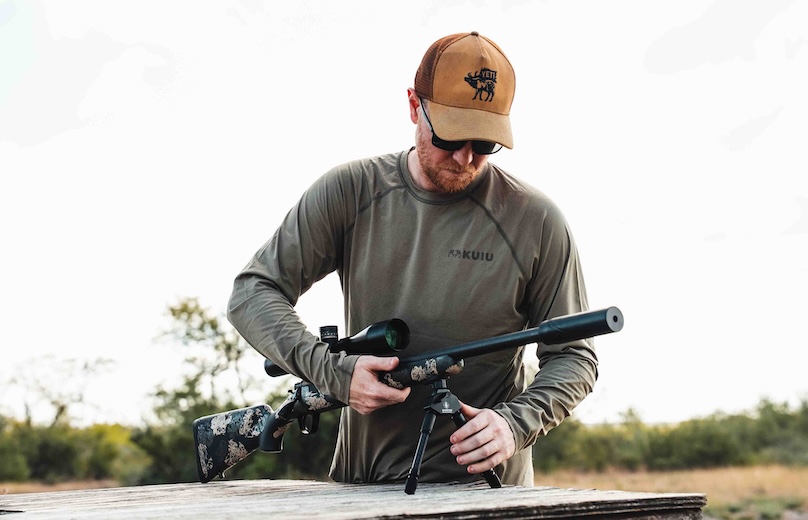
Carbon fiber barrels vs. steel barrels is not a question of which one is universally better. It is a question of terrain, weight, shooting volume, budget, and what kind of performance you need from the rifle in your hands.
Christensen Arms builds both carbon fiber wrapped barrels and stainless steel barrels with the same commitment to precision. The right choice comes down to your hunt, your shooting style, and the tradeoffs you are willing to make.
What Is the Difference Between Carbon Fiber and Steel Barrels?
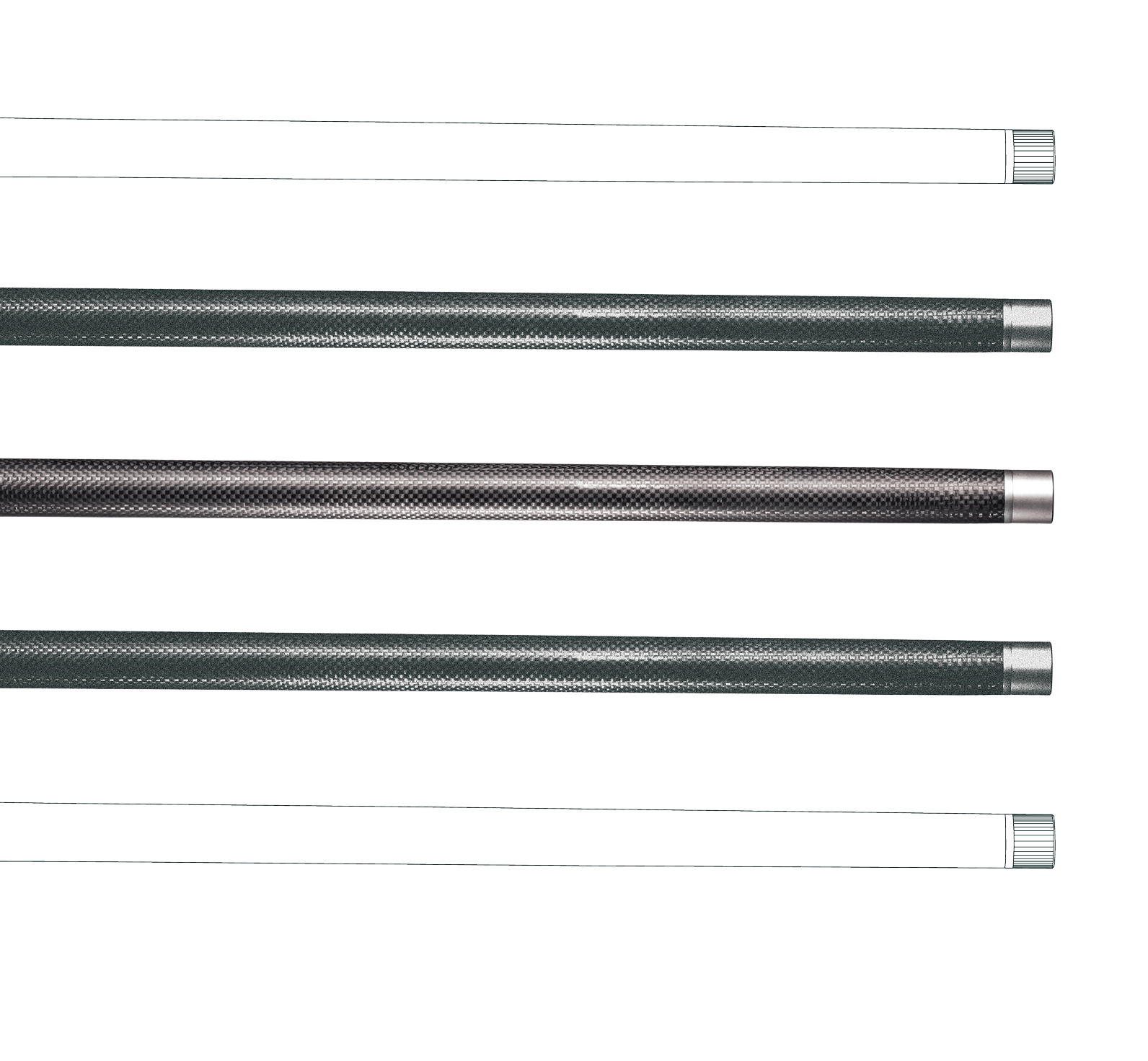
A traditional steel barrel uses steel throughout the full barrel profile. A Christensen Arms carbon fiber barrel starts with a precision-machined 416R stainless steel liner, then wraps that steel core in aerospace-inspired carbon fiber to increase rigidity, reduce weight, and support heat management.
That distinction matters. Carbon fiber barrels are not hollow carbon tubes. The bore remains stainless steel. The carbon wrap changes the weight, stiffness, and thermal behavior around that steel core.
Carbon fiber wrapped barrels are designed to deliver heavy-barrel rigidity with a lighter field-carry profile.
Weight and Carry Comfort
For hunters who put miles on their boots, weight is not a minor detail. Carbon fiber barrels can reduce weight by 30-50% compared to steel barrels of the same contour, which matters when you are climbing, sidehilling, or carrying a rifle all day.
Steel barrels bring deliberate heft. That extra weight can steady the rifle, help balance an offhand shot, and create a more planted feel from a blind, stand, or supported rest. For mobile backcountry hunting, carbon fiber usually wins on carry comfort. For static hunting or range work, steel still has a strong argument.
Heat Dissipation and Shot Consistency
Heat management matters because heat changes how a barrel behaves. Carbon fiber wrapped barrels are built to help move heat away from the steel liner and spread it along the barrel structure, supporting more consistent point of impact during longer shot strings.
Steel barrels handle heat well, especially in heavier contours, but they also hold onto that heat longer and add weight. For a hunter taking one carefully placed shot, either barrel type can perform. For longer strings, load development, or varmint sessions, carbon fiber's heat-management design becomes more meaningful.
For additional outside context on the category, Shooting Illustrated explains the practical advantages of carbon fiber rifle barrels, including weight reduction and heat considerations.
Durability and Maintenance
Neither option is fragile when built correctly. Christensen Arms carbon fiber barrels use a premium stainless steel liner beneath the wrap, giving shooters the bore quality and durability they expect from precision steel while reducing carry weight.
Steel barrels remain the classic workhorse. They are proven, straightforward to maintain, and familiar to gunsmiths. If you prioritize simplicity, budget, and traditional balance, steel remains a reliable choice. If you want reduced weight and modern composite performance, carbon fiber is the clear step forward.
Carbon Fiber Barrels vs. Steel Barrels: Side by Side
| Factor | Carbon Fiber Barrel | Steel Barrel |
|---|---|---|
| Weight | Lighter for the same contour | Heavier, more planted feel |
| Best For | Backcountry hunting, mountain rifles, mobile shooters | Blind hunting, range work, budget-conscious builds |
| Heat Behavior | Designed to manage and spread heat efficiently | Handles heat well but holds it longer |
| Cost | Higher due to materials and manufacturing | Generally more budget friendly |
| Field Advantage | Weight savings without giving up rigidity | Traditional balance and proven durability |
Christensen Arms Barrel Options
Christensen Arms manufactures barrel components in-house for shooters building or upgrading precision rifles. These barrel options bring the same carbon fiber barrel technology found in Christensen Arms rifles to qualified builds and gunsmith projects.
Modern Carbon Barrel
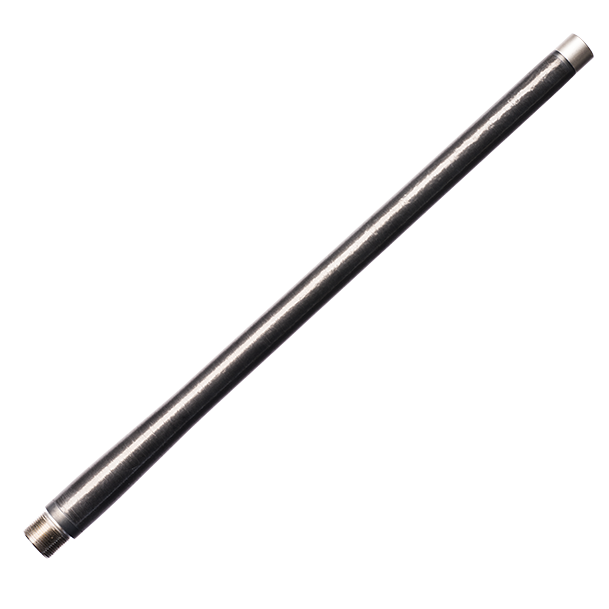
The Modern Carbon Barrel delivers Christensen Arms carbon fiber performance with a refined, smooth carbon appearance. It uses a 416R stainless steel liner, button rifling, and the same lightweight carbon construction built for accuracy and consistency.
Shop Modern Carbon Barrel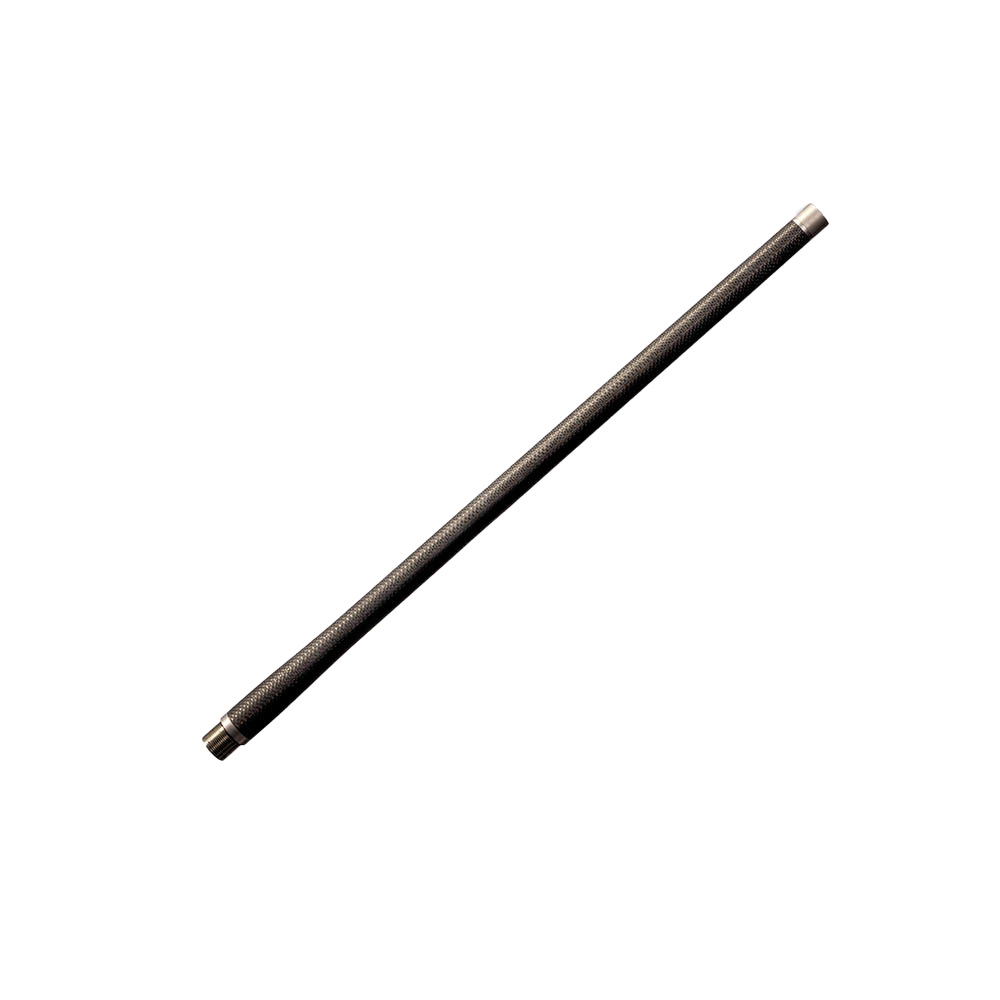
Remington 700 Carbon Fiber Barrel
Available for Remington 700 actions, this carbon fiber barrel starts with a 416R stainless steel core and is button rifled for precision. Sporter and Target contours let shooters match the barrel to hunting weight or long-range rigidity needs.
Shop Rem 700 Barrel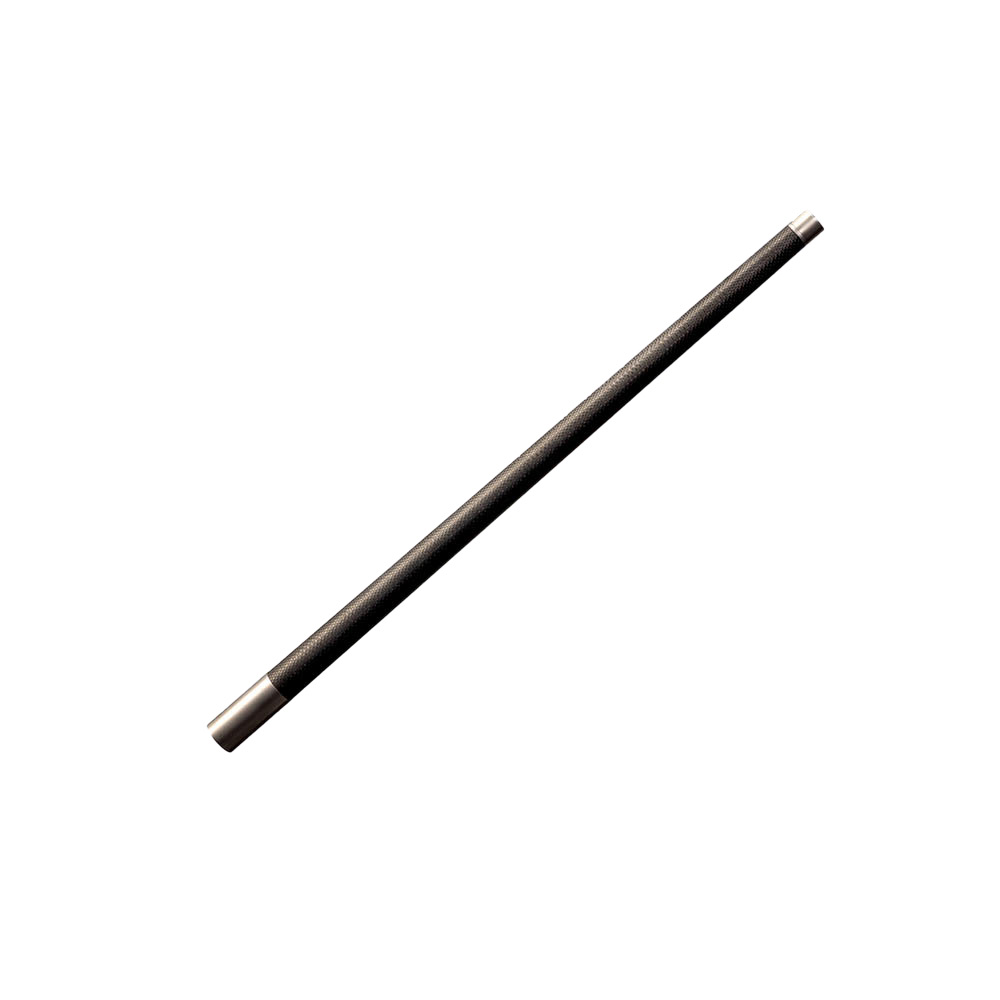
Carbon Fiber Barrel Blank
The Carbon Fiber Barrel Blank gives qualified gunsmiths a carbon fiber wrapped barrel foundation with a match-grade 416R stainless steel liner. Chamber finishing should only be completed by a qualified gunsmith.
Shop Barrel Blank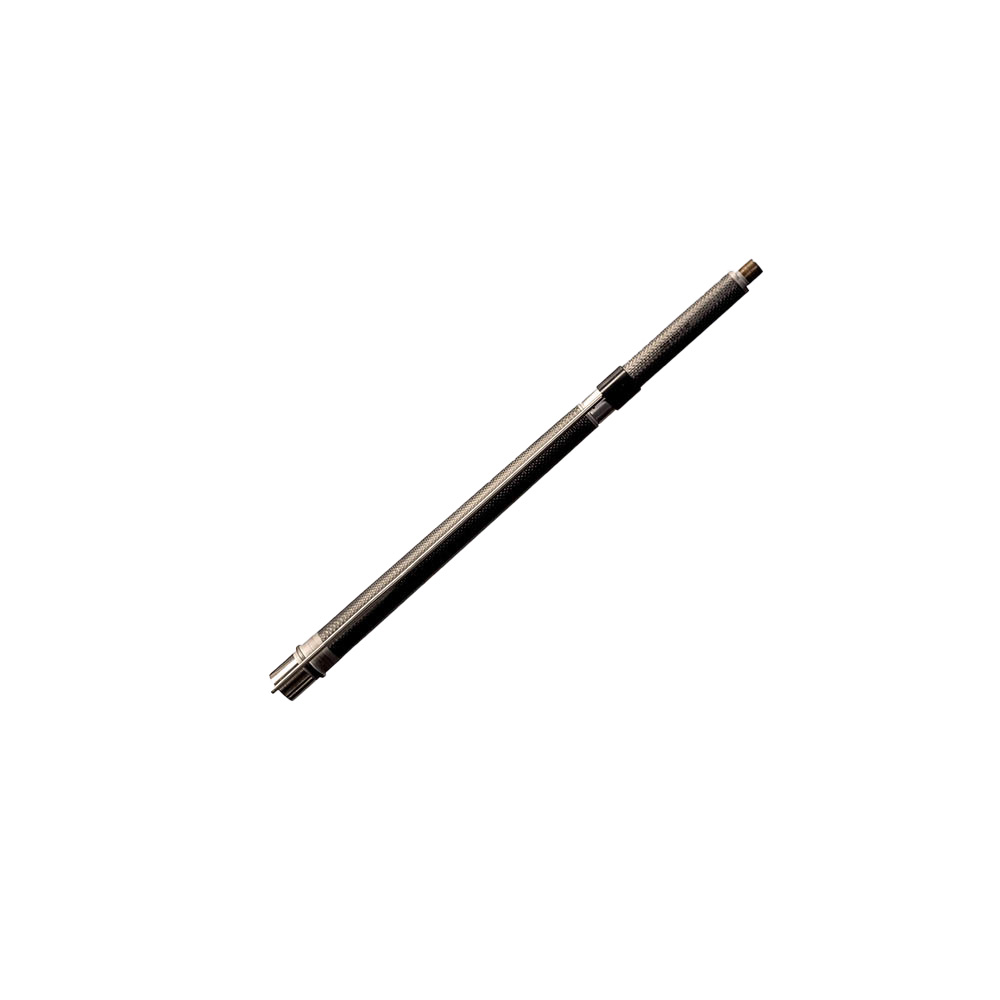
AR Carbon Fiber Barrels
Christensen Arms AR carbon fiber barrel assemblies bring lightweight carbon construction to AR-10 and AR-15 platforms, with options including adjustable gas block and low-profile gas block configurations.
Shop AR BarrelsSo, Which Barrel Is Right for Your Hunt?
Choose a carbon fiber barrel if you are heading into steep country, covering miles, building a lighter rifle, or prioritizing temperature-stable performance during changing field conditions. The weight savings and rigidity are the point.
Choose a steel barrel if you want traditional balance, a lower entry cost, or a rifle that will mostly be used from fixed positions. The added weight can be an advantage when the rifle is supported and carry distance is limited.
The right barrel is the one that matches the way you hunt. Carbon fiber solves the weight problem. Steel still solves the simplicity and value problem.
Build Around the Right Barrel
Whether you need a lightweight carbon fiber barrel for mountain country or a proven steel platform for steady supported shots, Christensen Arms builds barrels for precision that lasts.
Less weight. More confidence. Built in the USA. Explore Christensen Arms Barrels We use cookies on our website to give you the most relevant experience by remembering your preferences and repeat visits. By clicking "Allow all", you consent to the use of ALL the cookies.