

Western Hunting Guide
BUILT FOR THE
WESTERN HUNT:
WHY RIFLE WEIGHT
MATTERS
Carry efficiency, balance, recoil control, and confidence beyond the trailhead
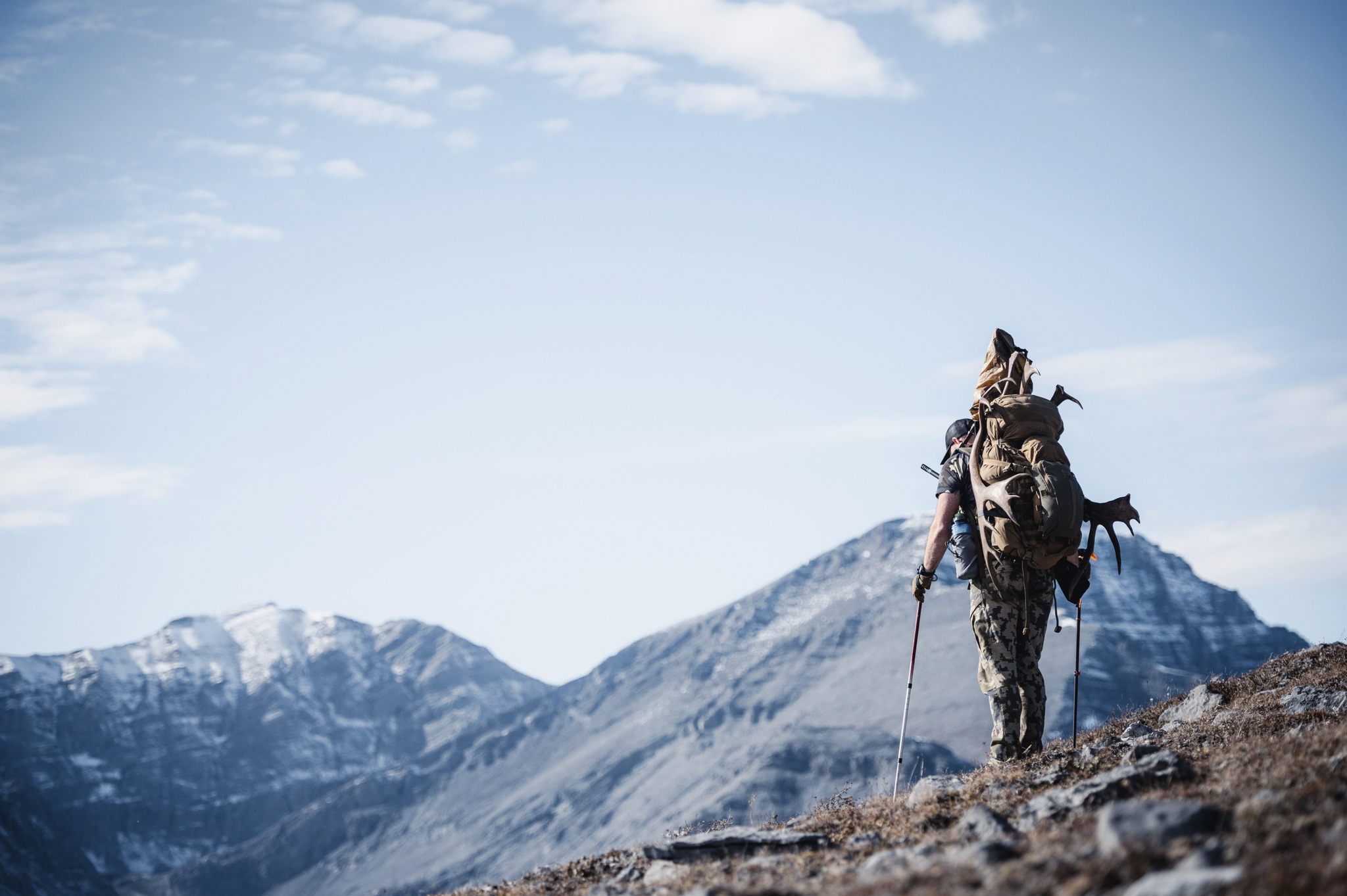
A lightweight rifle for Western hunting can save valuable energy when a hunt demands long climbs, repeated elevation changes, and miles under a loaded pack. Yet the number on the scale is only one part of the story. The rifle still has to balance naturally, manage recoil, and settle into a confident field position when the terrain stops cooperating.
The best western hunting rifle is not automatically the lightest rifle available. It is the lightest complete setup a hunter can carry efficiently and shoot consistently. That distinction matters when every ounce travels beyond the trailhead.
Why a Lightweight Rifle Matters for Western Hunting
Western terrain turns rifle weight into a cumulative cost. A few extra pounds may feel insignificant at the truck, but the difference becomes clearer after hours of climbing, sidehilling, glassing, and moving between elevations. Reducing unnecessary weight can help preserve energy for careful movement, a stable shot, and the work that follows.
Rifle selection is only one part of backcountry preparation. The U.S. Forest Service backcountry planning guidance also recommends studying the terrain, considering alternate routes and weather, carrying adequate water, and sharing trip plans before departure.
Conserve Energy
A lighter complete system reduces the load carried through sustained elevation changes.
Move Naturally
Good balance helps a rifle ride comfortably on a sling or pack without constant correction.
Build a Position
The rifle must still settle against a pack, bipod, tripod, or natural support.
Finish Strong
Saved energy matters late in the day, especially when the return trip is still ahead.
Rifle weight is most useful when evaluated as part of the entire hunt: terrain, distance carried, pack load, chambering, recoil tolerance, and expected shooting positions.
Calculate Field-Ready Rifle Weight
Starting weight is helpful for comparison, but it is not the weight carried in the field. Optics, rings, a sling, ammunition, bipod, muzzle device, and suppressor can add pounds and change how the rifle handles. Build the intended configuration before judging whether a lightweight mountain rifle is truly light enough for the hunt.
| Component | Why It Matters | What to Evaluate |
|---|---|---|
| Bare Rifle | Establishes the starting point | Model, chambering, barrel length, and stock configuration |
| Optic and Mounts | Add weight high on the rifle | Total ounces, height, eye position, and balance |
| Field Hardware | Changes carry and support | Sling, bipod, suppressor, and attachment points |
| Ammunition | Completes the carried setup | Loaded magazine and spare rounds kept on the rifle |
Balance Matters as Much as the Scale
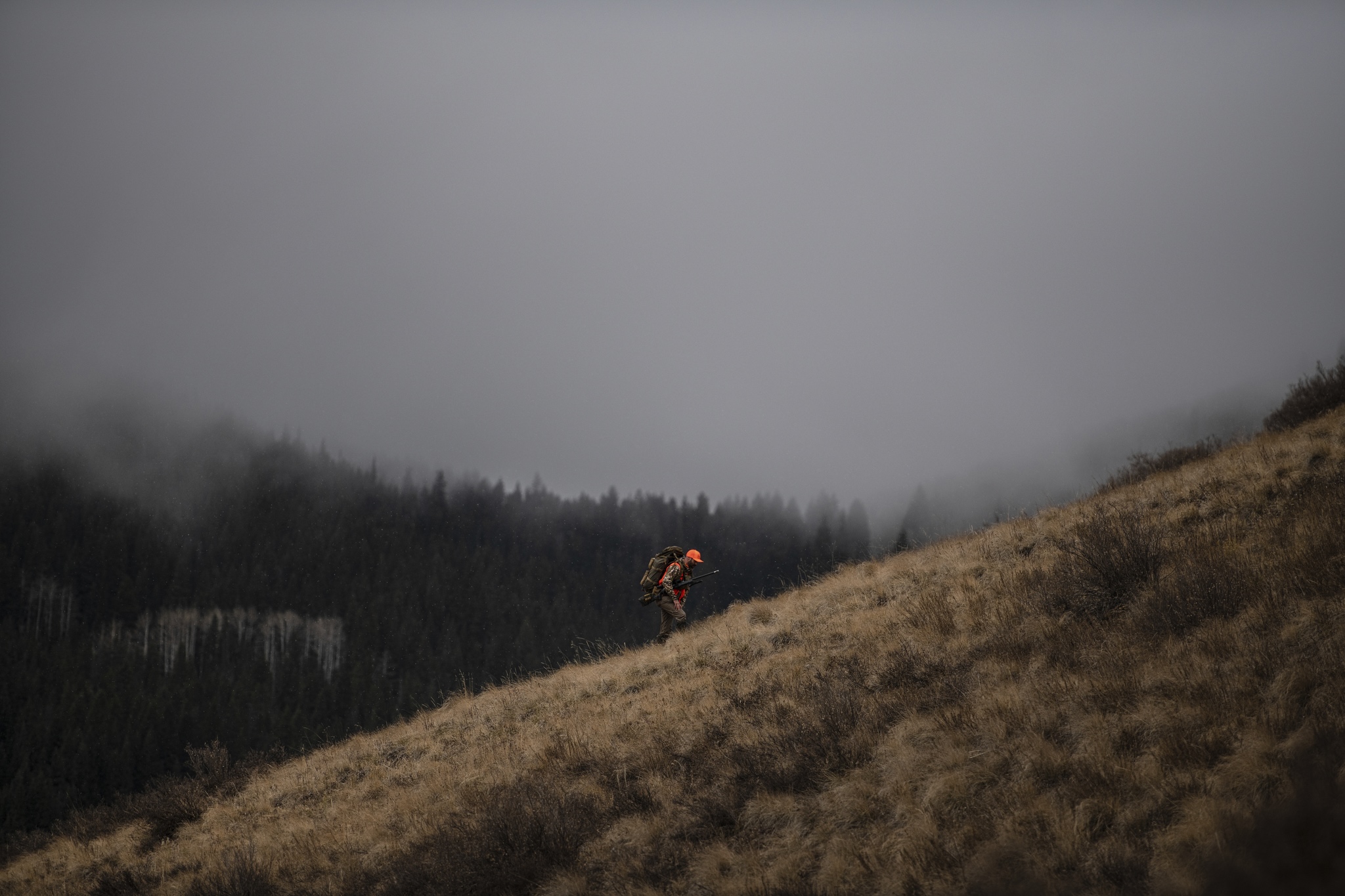
Two rifles with the same total weight can feel very different. A heavy optic raises the center of gravity, while a suppressor shifts weight toward the muzzle. Stock fit, barrel length, sling position, and accessory placement all influence whether the rifle carries naturally and comes to the shoulder without extra effort.
Test the finished setup while wearing hunting layers and a loaded pack. A balanced carbon fiber hunting rifle should be easy to control during movement and predictable when it is time to build a shooting position.

Keep a Lightweight Western Hunting Rifle Shootable
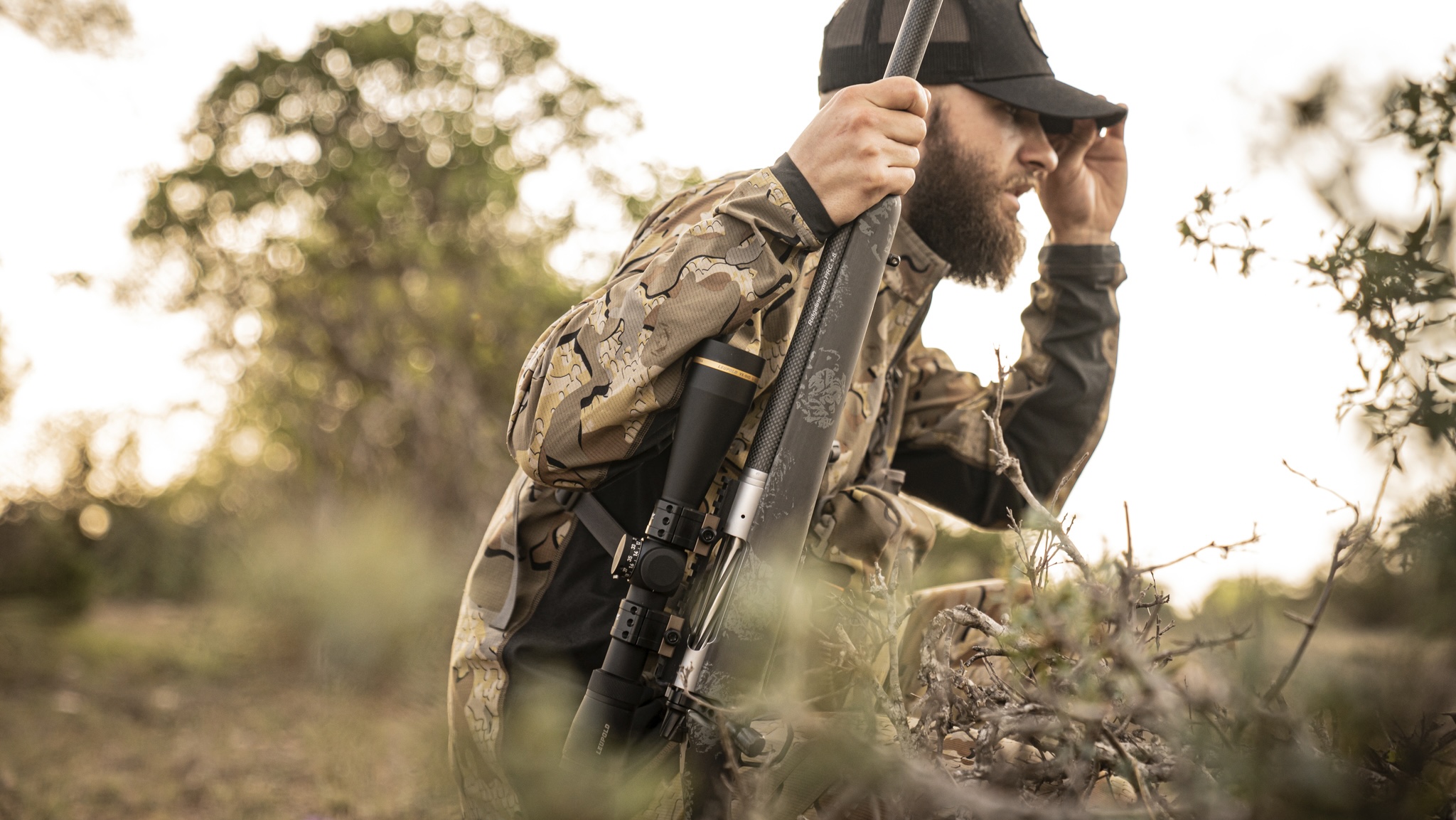
Lower rifle mass can make movement and recoil more noticeable. That does not make a light rifle less accurate, but it places more importance on stock fit, a consistent position, a clean trigger press, and a support system the hunter has practiced using.
Choose a chambering and load you can control after exertion. Then train with the exact rifle, optic, sling, and field support you will carry. A light rifle earns its place when it remains comfortable to carry and familiar to shoot.
How Carbon Fiber Changes the Weight Equation
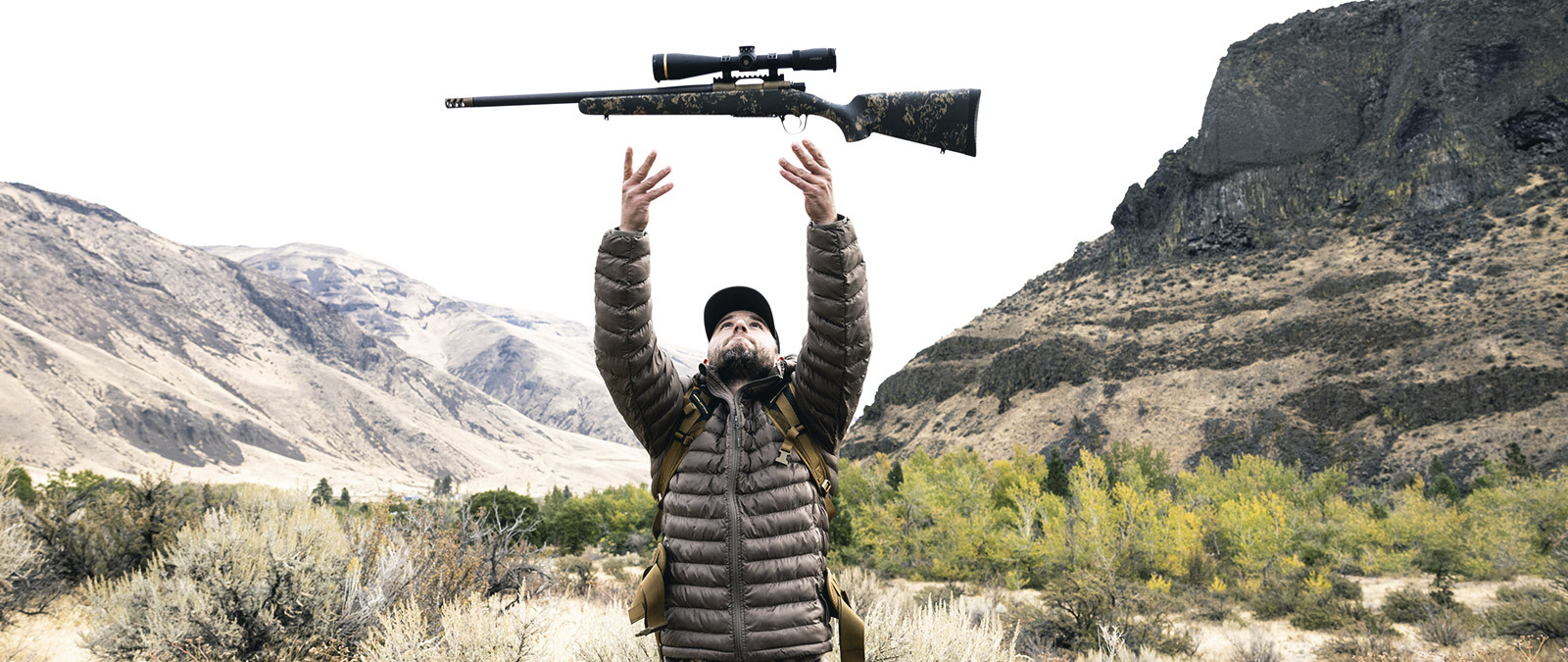
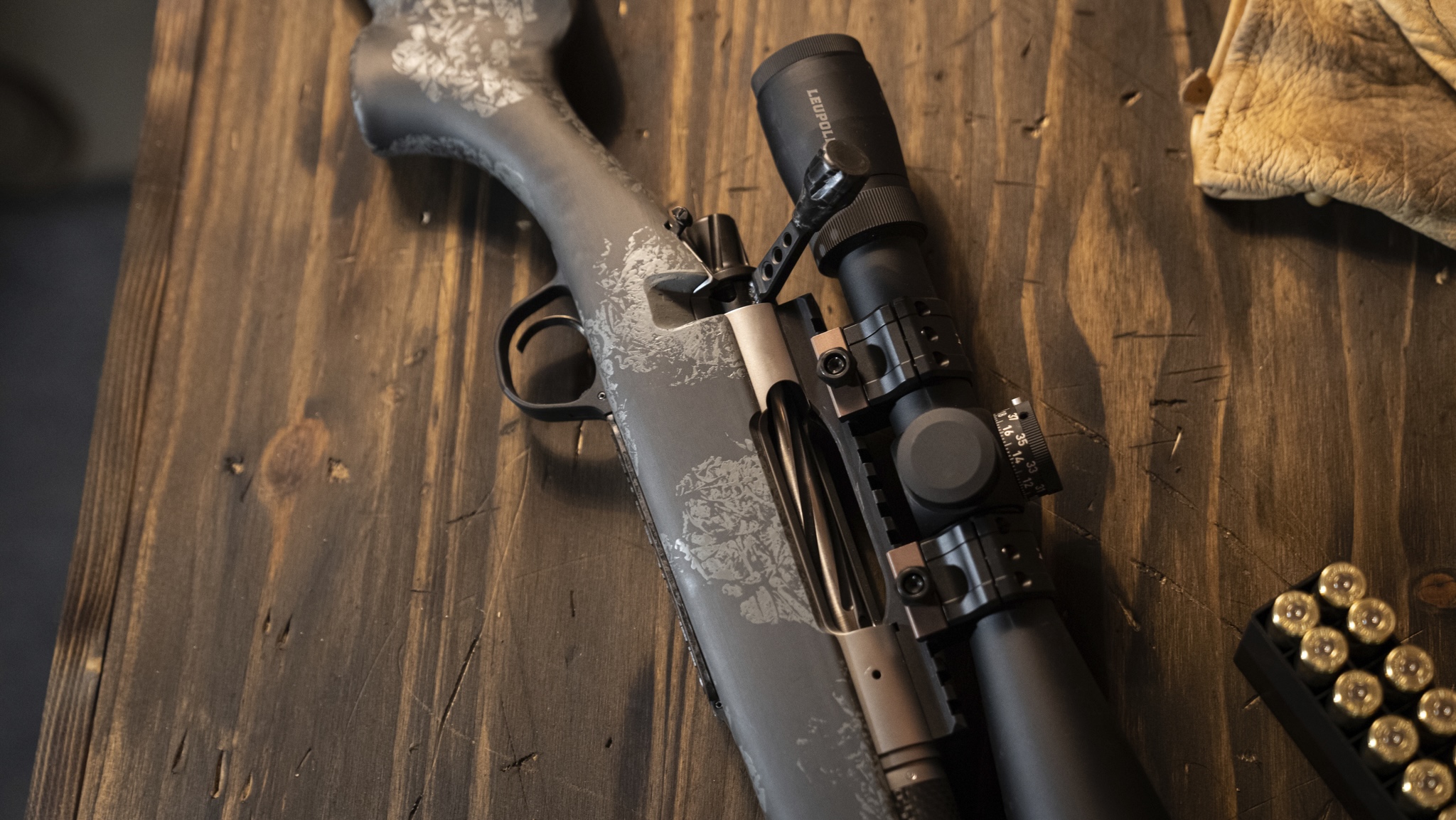
Carbon fiber construction can reduce weight in areas that matter to a hunter without treating the rifle as a stripped-down tool. A carbon fiber-wrapped barrel and a carbon fiber stock can help create a lighter platform while preserving the rigidity, ergonomics, and field features expected from a modern hunting rifle.
The result is not simply a lighter rifle. It is an opportunity to distribute weight more intentionally across the complete setup, leaving room for the optic, support, and accessories that make the rifle work in the field. This balance is central to choosing a lightweight rifle for Western hunting.
Choose the Right Western Hunting Rifle Weight
There is no single ideal weight for every Western hunt. The best choice depends on terrain, time carried, chambering, shooting support, weather, and the hunter's ability to control the rifle. These Christensen Arms platforms offer three different starting points.
Ridgeline FFT
A lightweight carbon-barreled platform focused on minimizing carry weight in demanding terrain.
Explore Ridgeline FFTMesa FFT
An FFT carbon fiber stock paired with a free-floating stainless barrel for a practical field setup.
Explore Mesa FFTModern Carbon Rifle
A carbon-barreled platform with an adjustable cheek riser and integrated field attachment features.
Explore MCRLightweight Mountain Rifle Checklist
- Weigh the complete rifle with the optic, mounts, sling, ammunition, and muzzle device installed.
- Check balance after every field accessory has been added.
- Confirm repeatable eye position and trigger reach while wearing hunting layers.
- Choose a cartridge and load you can control from supported field positions.
- Carry and practice with the finished setup before committing it to Western terrain.
Lightweight Hunting Rifle FAQ
What counts as a lightweight hunting rifle?
There is no universal cutoff. Compare starting weight and complete field-ready weight against the terrain, distance carried, chambering, recoil tolerance, and support you expect to use.
Are lightweight rifles less accurate?
Low weight does not prevent mechanical accuracy, but lighter rifles can reveal inconsistencies in position and trigger control. Proper fit, support, and practice remain essential.
Do lightweight hunting rifles recoil more?
With the same cartridge and load, reducing rifle mass generally increases felt movement. Stock fit, recoil management, and a controllable chambering all matter.
What is the best rifle weight for a Western hunt?
The best weight is the lightest complete setup you can carry efficiently and shoot confidently from realistic field positions.
Carry Less. Stay Ready.
Explore Christensen Arms rifles built to balance Western carry weight, confident handling, and field-ready precision.
Explore Christensen Arms Rifles We use cookies on our website to give you the most relevant experience by remembering your preferences and repeat visits. By clicking "Allow all", you consent to the use of ALL the cookies.
