Maintenance Guide
RIFLE
MAINTENANCE
IN WET WEATHER
Protect Accuracy When Rain, Snow, and Moisture Move In
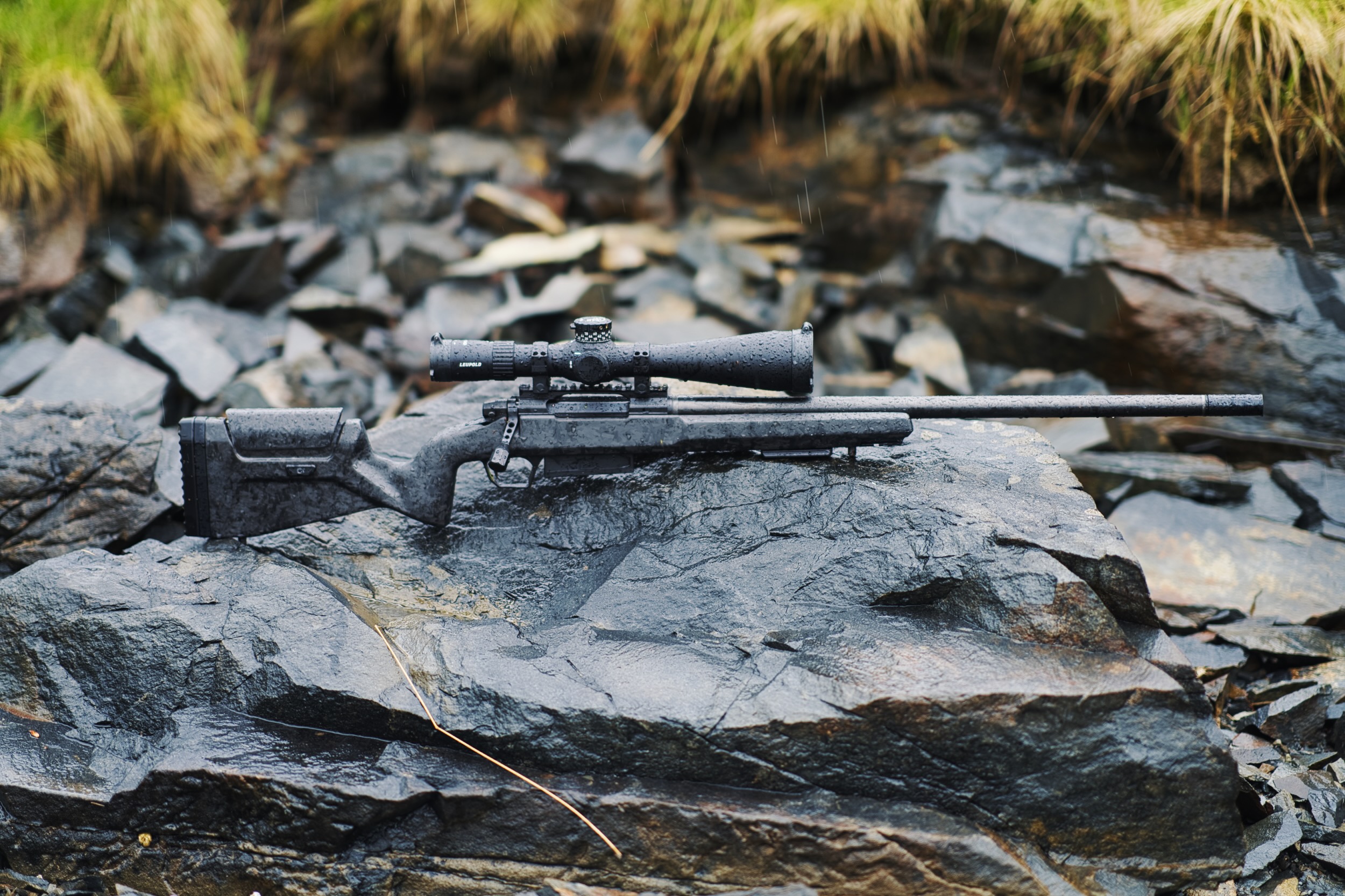
Rifle maintenance in wet weather is not about babying your equipment. It is about protecting the precision, reliability, and corrosion resistance you expect when rain, sleet, snow, and soaked timber become part of the hunt.
Christensen Arms rifles are engineered for demanding country, but moisture still deserves respect. Water can work into barrel threads, bolt components, trigger assemblies, magazine wells, scope mounts, and bedding interfaces. The difference between a rifle that stays ready and one that quietly deteriorates is the maintenance routine you follow before, during, and after exposure.
What Wet Weather Does to a Rifle
Water is more than an inconvenience. It carries contaminants, accelerates corrosion, and mixes with carbon fouling to create residue that can degrade accuracy and reliability over time.
Moisture can collect in places you may not notice immediately: under optics bases, around the barrel crown, inside the bolt body, in the firing pin channel, around the extractor and ejector, and along the bedding interface. Left alone, those hidden areas become the problem.
The goal is simple: displace moisture quickly, dry the rifle completely, and apply only the protection needed to keep metal surfaces safe without over-lubricating the system.
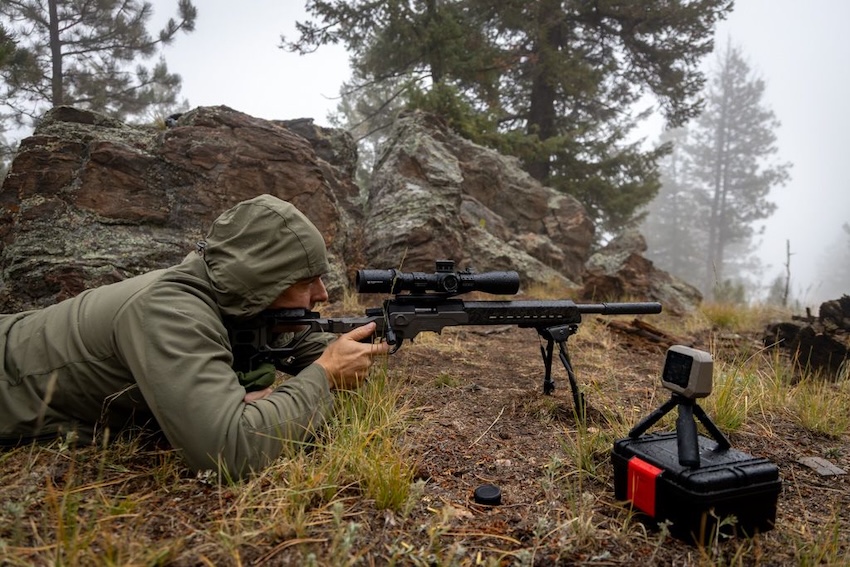
Field Protocol: Rifle Care During the Hunt
Your rifle will get wet. Plan for it before the first rain band rolls through.
Keep a microfiber cloth accessible, not buried at the bottom of your pack. During long glassing sessions, wipe exposed metal surfaces every few hours, paying close attention to the barrel crown, bolt face, action, magazine well, muzzle device, sling studs, and optics mounts.
- Do not seal a soaked rifle in a hard case or pack compartment without airflow.
- If conditions allow, remove the bolt and let air circulate through the action.
- Wipe down all accessible metal before continuing the hunt or packing out.
- Keep the muzzle protected from mud, snow, and debris without obstructing safe function.
Carbon fiber stocks shed water naturally and maintain dimensional stability better than traditional wood, but the metal components still need deliberate care.
End-of-Day Wet Weather Rifle Maintenance
This part is non-negotiable: never store a wet rifle. Once you are back at camp, the truck, or home, your priority is controlled disassembly, drying, and moisture displacement.
Field strip safely. Remove the bolt, magazine, and accessories you can access without forcing the rifle beyond normal owner maintenance.
Displace trapped moisture with a quality gun oil or CLP in small crevices where water can hide.
Dry thoroughly with clean lint-free cloths or compressed air, paying attention to the bolt face, extractor, ejector, firing pin channel, and magazine well.
Run a dry patch through the bore. If it comes out wet or dirty, continue until the bore is clean and dry.
Deep Maintenance After Extended Exposure
After multiple wet days, your rifle needs more than a surface wipe. Complete wet weather rifle care means checking the bore, bolt, action, trigger, stock, bedding, and fasteners for hidden moisture or early corrosion.
Bore Care
Run a bronze brush with quality solvent through the bore to remove moisture-accelerated fouling. Follow with clean patches until they come out dry. Finish with a very light film of gun oil in the bore if the rifle is going into storage, then run a dry patch before shooting again.
Action and Bolt
Remove the bolt and clean the bolt body, lugs, firing pin assembly, extractor, and ejector. Clean the receiver raceway, feed ramp, and magazine well. Apply a thin layer of quality gun grease to bearing surfaces such as bolt lugs and the cocking cam, while using oil sparingly in areas where grease can slow function.
Trigger Assembly
If your trigger begins to feel gritty, inconsistent, or sluggish after wet exposure, stop guessing. Trigger work should be handled by a qualified gunsmith or the manufacturer, not improvised in camp.
Stock and Bedding
Carbon fiber stocks do not absorb moisture like wood, but the bedding interface and action screws still deserve inspection. Check torque, look for trapped debris, and verify nothing shifted during wet/dry cycles.
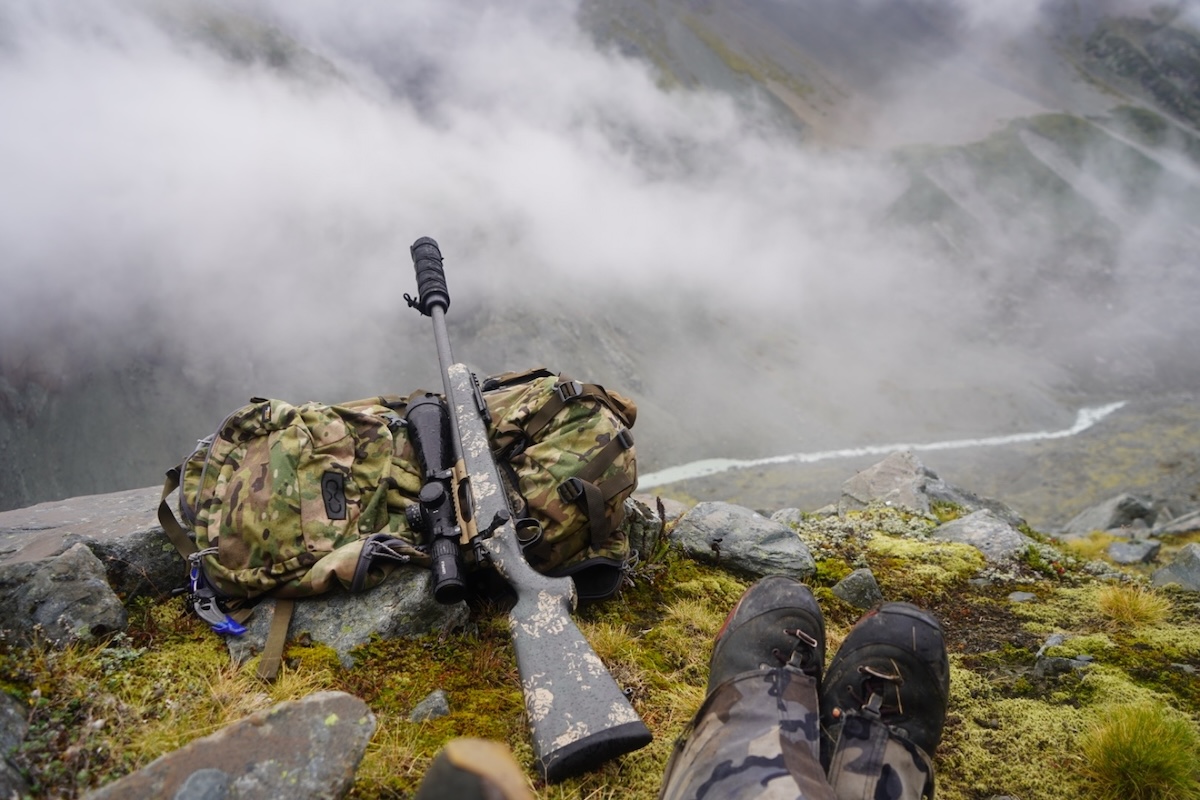
Prevention Before Wet Weather Hits
The best wet-weather maintenance starts before the rifle ever gets rained on. Build a protective baseline before the season opens, especially if you hunt in coastal, mountain, or late-season environments where moisture is constant.
- Apply a thin, even layer of quality gun oil or protective wax to exposed metal surfaces.
- Verify scope rings, bases, action screws, sling studs, and muzzle devices are properly torqued.
- Confirm zero after cleaning and lubrication so protection does not come at the cost of accuracy.
- Use a rifle cover or breathable case that protects from direct rain without trapping condensation.
- Consider a silicon-treated gun sock for travel or short-term field protection.
Wet Weather Rifle Maintenance Kit
Keep the essentials ready before the forecast turns ugly. The original guide points hunters toward gun cleaning kits, oils, and lubes from Cabela's, and the exact brands matter less than having the right categories covered.
- Quality gun solvent for copper and carbon fouling
- CLP or penetrating gun oil for moisture displacement
- Synthetic gun oil rated for the temperatures you hunt in
- Gun grease for bolt lugs and bearing surfaces
- Caliber-correct bronze bore brush and cleaning patches
- Microfiber cloths, nylon brushes, cotton swabs, and compressed air
- Bore guide to protect the chamber and action during cleaning
Do not over-lubricate. Excess oil attracts grit, can migrate into places you do not want it, and may affect cold-weather function.
The Christensen Standard in Bad Weather
Christensen Arms rifles are built for the mountains, timber, weather, and long days that separate casual range gear from real field equipment. Carbon fiber stocks, carbon fiber wrapped barrels, stainless steel components, and precision machining all help the rifle perform when conditions are not ideal.
But engineering only gets you halfway. Maintenance is the other half. A rifle that faces rain, snow, sleet, and soaked terrain will reward the hunter who dries it, inspects it, lubricates it correctly, and refuses to store it wet.
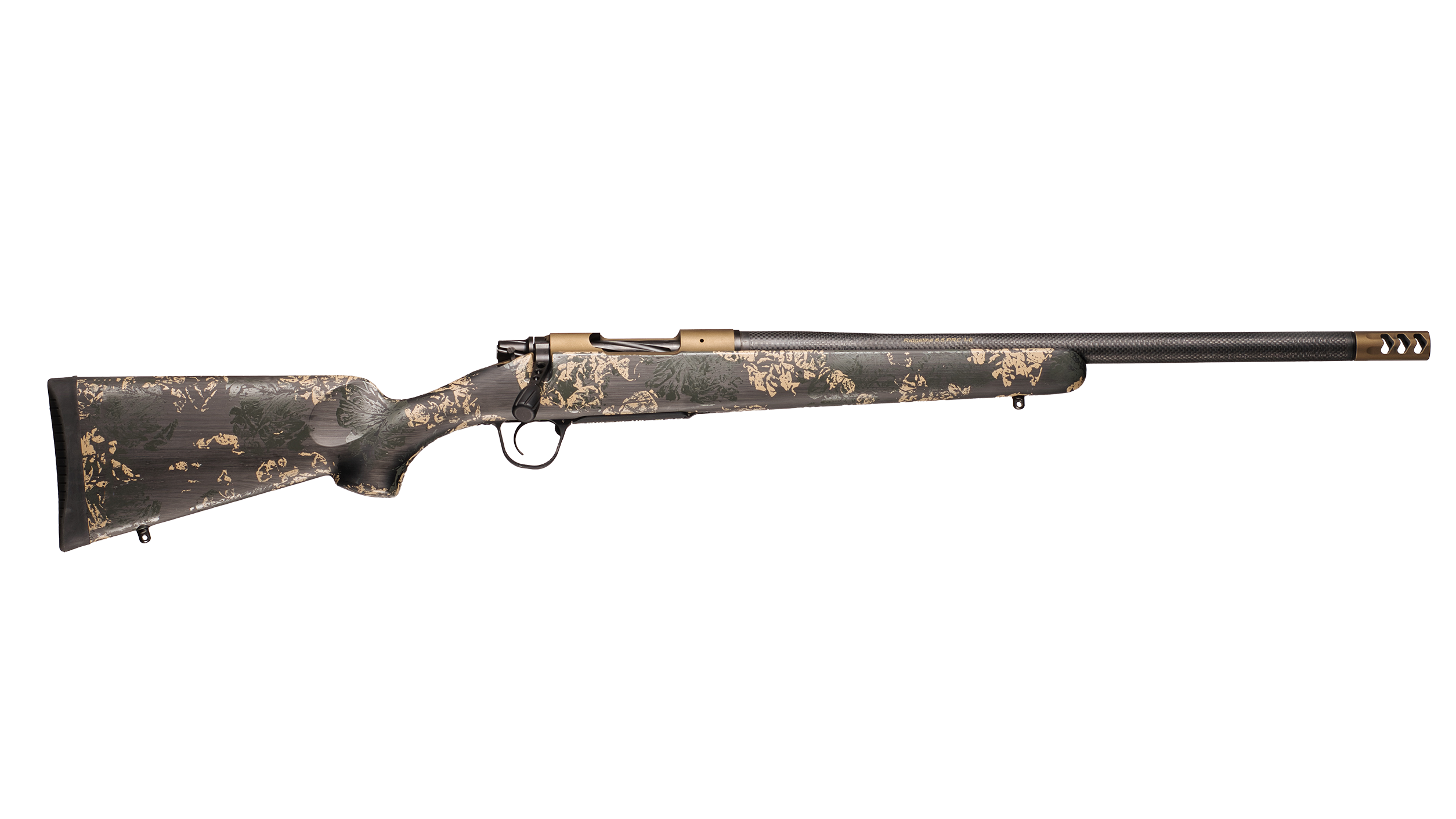
Ridgeline FFT
The Ridgeline FFT pairs an Aerograde carbon fiber wrapped barrel with an FFT carbon fiber stock, giving hunters a lightweight rifle designed for demanding terrain, changing weather, and confident field accuracy.
Shop the Ridgeline FFTThe Bottom Line
Rifle maintenance in wet weather is about discipline. Wipe it down in the field, dry it completely at the end of the day, inspect the hidden areas, and use lubrication intentionally. Do that, and your rifle stays ready for the next storm, the next stalk, and the next shot.
Wet weather does not have to end the hunt. Neglected maintenance does.
Keep Precision Ready in Any Weather
Christensen Arms rifles are built for hard country. The right maintenance routine keeps them performing when the weather turns.
Dry it. Inspect it. Protect it. Hunt with confidence. Explore Christensen Arms Rifles We use cookies on our website to give you the most relevant experience by remembering your preferences and repeat visits. By clicking "Allow all", you consent to the use of ALL the cookies.