Rifle Optics Guide
HOW TO CHOOSE
RIFLE SCOPE
RINGS & BASES
Match tube diameter, ring height, base fitment, and mounting style for a dependable rifle optic setup
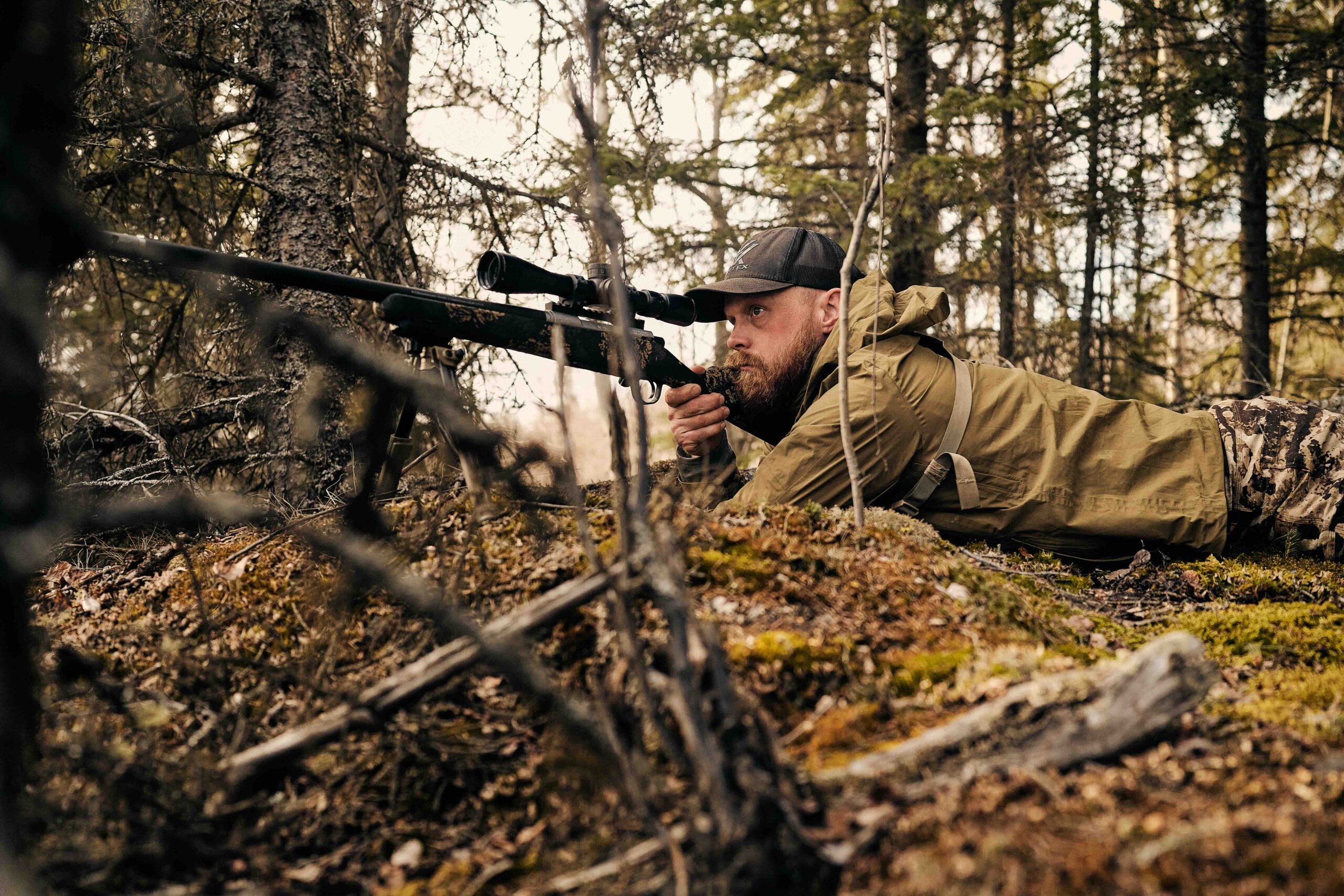
Rifle scope rings and bases form the connection between the optic and the rifle. Choosing the correct combination requires more than matching a finish or selecting low, medium, or high from a menu. Tube diameter, objective clearance, receiver fitment, rail type, eye relief, and intended use all matter.
A properly matched optic mount should hold the scope securely, preserve comfortable head position, allow the bolt and controls to function, and keep the objective bell clear of the barrel. This guide explains those decisions and highlights Christensen Arms scope bases and rifle optics accessories available through the webstore.
Four Decisions Before Buying Rifle Scope Rings
Start with the rifle and scope specifications, not the ring height label. “Medium” is not a universal measurement across brands, and two optics with the same objective diameter may have different outside dimensions.
Tube Diameter
Match the rings exactly to the scope tube: commonly 1 inch, 30mm, or 34mm.
Ring Height
Account for the objective bell, barrel contour, bolt handle, caps, and scope covers.
Base Fitment
Confirm the receiver, action length, handedness, screw size, and mounting pattern.
Mounting Style
Balance weight, durability, accessory compatibility, and the distances you expect to shoot.
The correct setup is the lowest practical ring height that provides complete clearance, proper eye relief, and a repeatable cheek weld.
Match Rifle Scope Rings to the Scope Tube
Ring diameter refers to the main tube, not the objective lens. A 30mm scope requires 30mm rings; 1-inch or 34mm rings will not provide the correct clamping surface. Read the optic manufacturer's specifications before ordering.
Christensen Arms PRSR-X2 rings are offered for 1-inch and 30mm tubes. PRSR-HD tactical rings are available for 30mm and 34mm tubes. Both mount to Picatinny-style rails and are NATO-STANAG compatible.
How to Choose Rifle Scope Ring Height
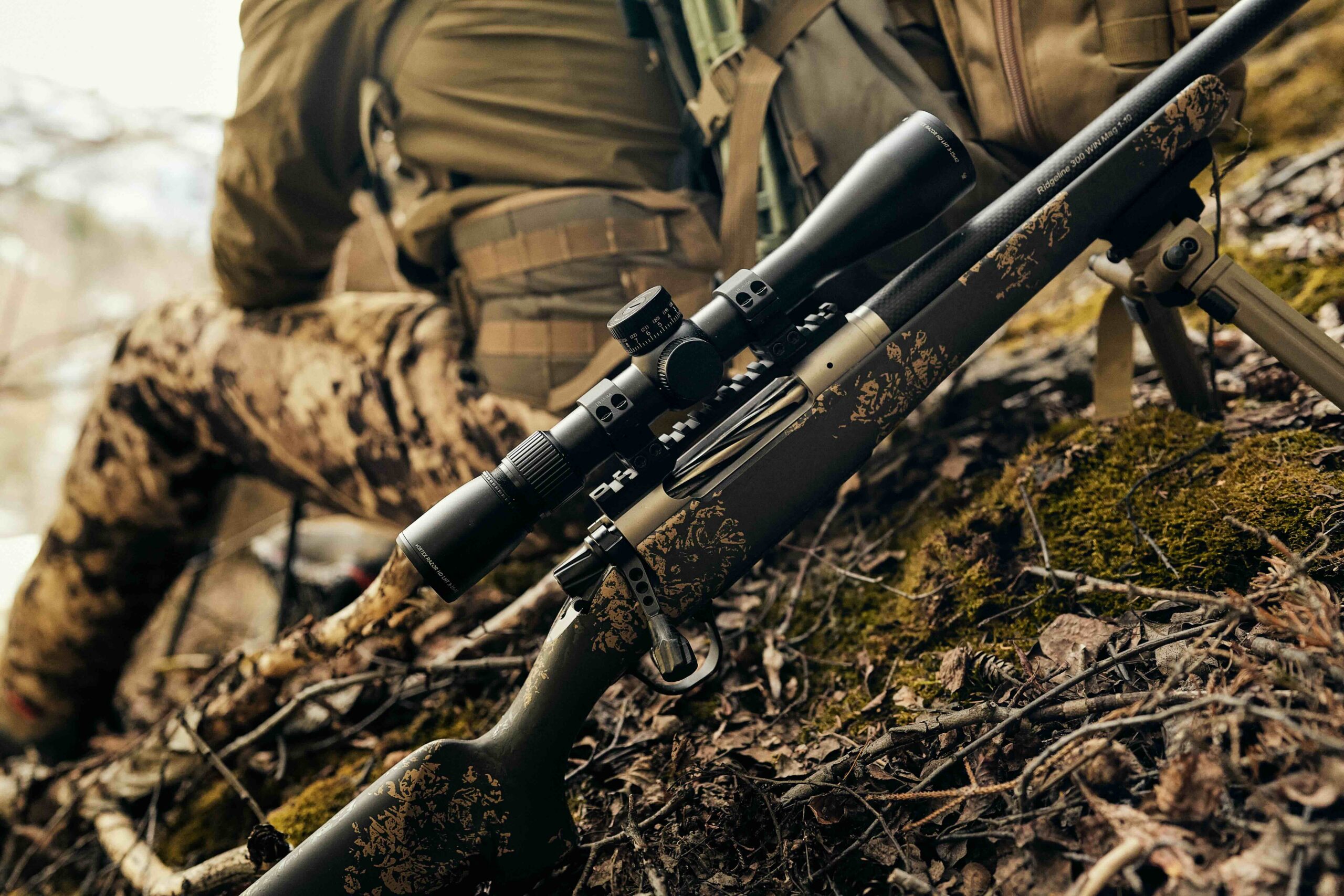
Ring height determines how far the optic sits above the base. Mounting too low can cause the objective, power ring, bolt handle, or scope cover to contact the rifle. Mounting higher than necessary can make a consistent cheek weld harder to achieve.
Measure the outside diameter of the objective bell rather than relying only on the advertised lens diameter. Include the installed base height and any lens caps. Warne's official scope ring height calculator is a useful starting point, but the complete rifle and optic still need to be checked together.
| Check | What You Need | Why It Matters |
|---|---|---|
| Objective Bell | Clearance above the barrel and base | Prevents contact that can affect function or zero |
| Bolt Handle | Room to cycle the action fully | Protects fast, unobstructed operation |
| Eye Relief | Full sight picture in the shooting position | Supports comfort and recoil clearance |
| Cheek Weld | Natural alignment without lifting the head | Improves repeatability behind the rifle |
Christensen Arms Rifle Scope Ring Options
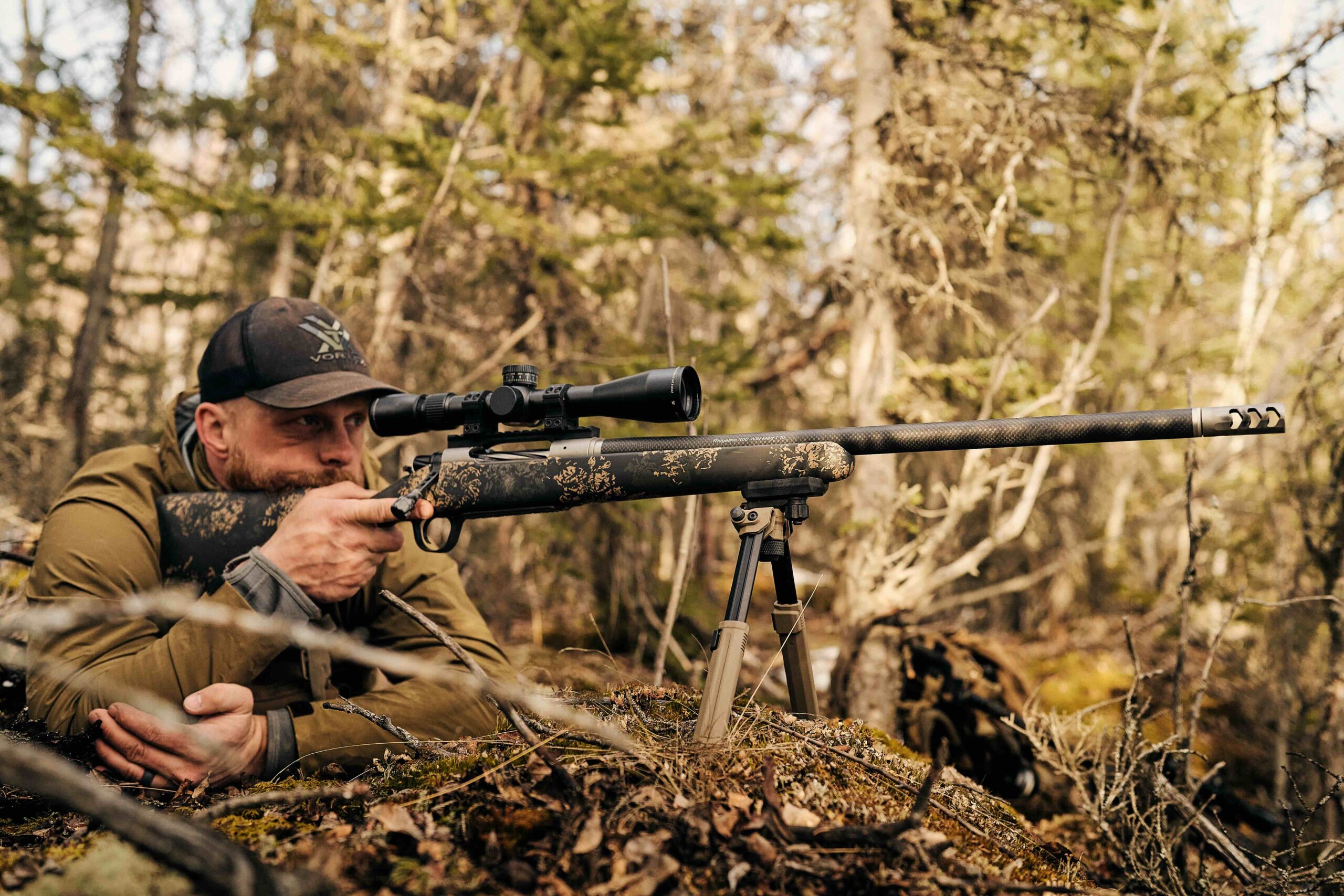
Choose between a lightweight hunting-oriented setup and a more feature-rich tactical platform based on the optic, rifle, and intended use.
Ultralight PRSR-X2 Scope Rings
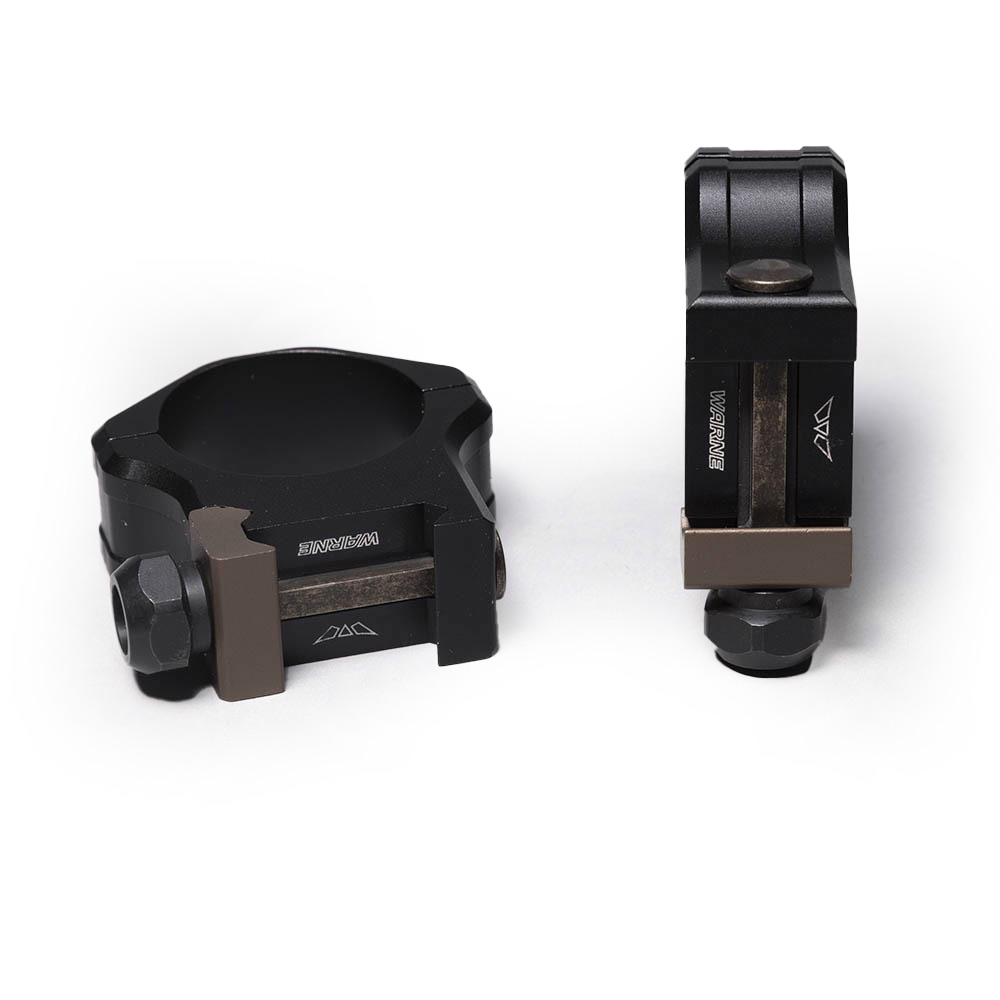
Precision-machined 7075/T6 aluminum rings with stainless hardware for a strong, lightweight optic mount. Available for 1-inch and 30mm tubes in low, medium, and select high configurations.
Shop PRSR-X2 Rings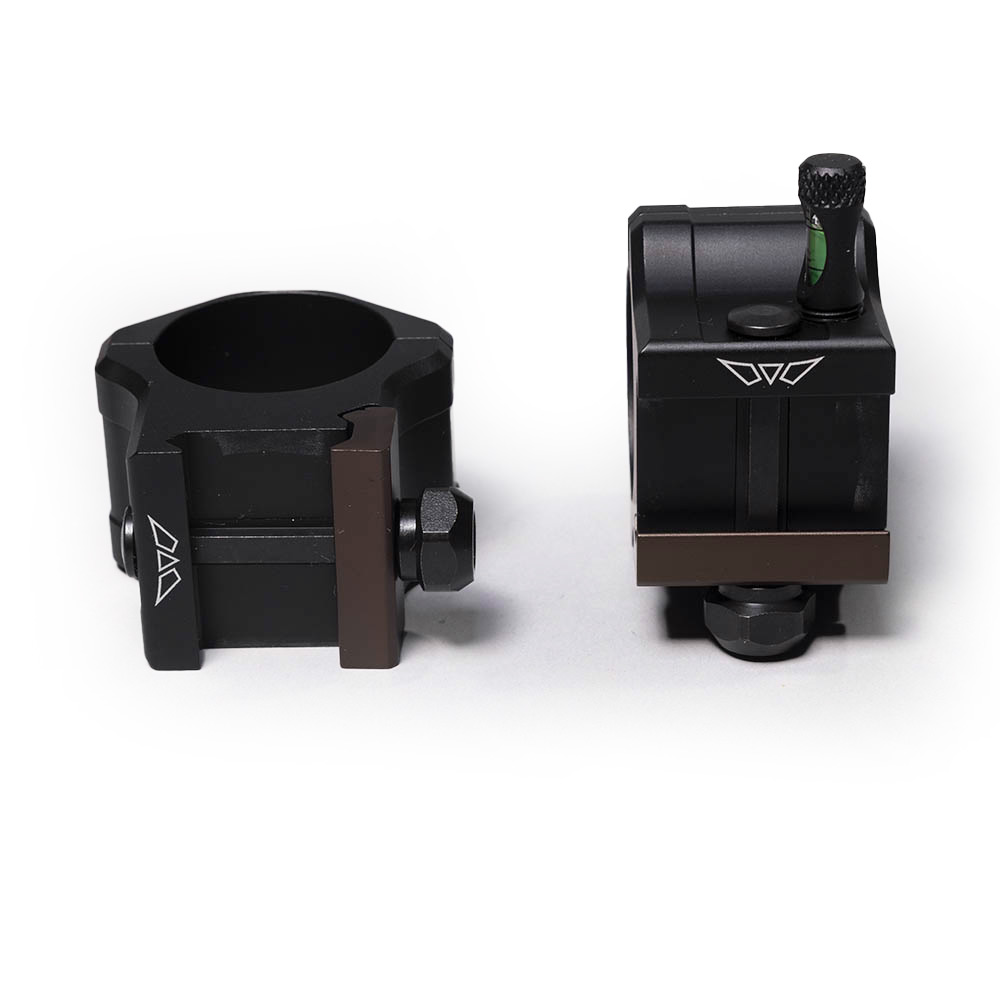
Tactical PRSR-HD Scope Rings
7075/T6 aluminum rings with six-bolt caps, stainless hardware, and a removable anti-cant bubble level. Offered for 30mm and 34mm tubes in medium and high configurations.
Shop PRSR-HD RingsHow to Choose the Correct Scope Base
A scope base must match the receiver and screw pattern. Confirm the rifle model, action length, right- or left-hand configuration, and screw size before ordering. A base that fits a standard Remington 700 footprint is not automatically correct for every Christensen Arms receiver.
0 MOA vs. 20 MOA Scope Bases
A 0 MOA base keeps the optic parallel to the receiver and is a practical choice for many general hunting setups. A 20 MOA base angles the optic relative to the bore, preserving more of the scope's elevation adjustment for longer distances. The right choice depends on the optic's adjustment range, zero distance, cartridge, and intended shooting distance.
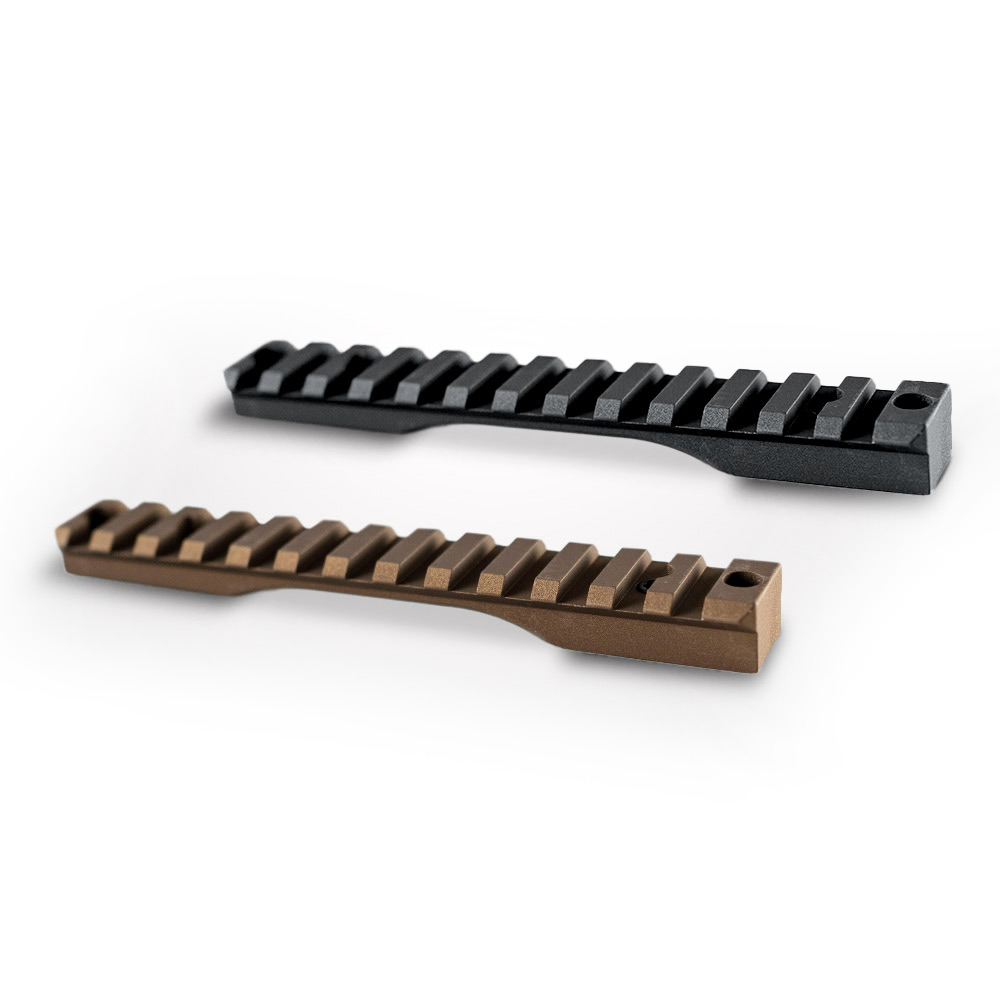
One-Piece Scope Base: Standard Rem 700
Machined from 7075 aluminum for compatible Ridgeline, Mesa, Mesa Long Range, and standard Remington 700 receivers using 6-48 screws. Available in 0 or 20 MOA configurations. It does not fit the Evoke.
Shop Rem 700 Base
Evoke Scope Base
A lightweight 7075 aluminum base designed for Evoke receivers, available in 0 or 20 MOA. It also fits long-action standard Remington 700 receivers that use 8-40 screws; verify compatibility before ordering.
Shop Evoke BaseMount Rifle Scope Rings and Bases Correctly
Always verify the rifle is unloaded before beginning. Clean mating surfaces, loosely assemble the optic to confirm ring spacing and eye relief, and follow the rifle, base, ring, and scope manufacturers' instructions. Torque specifications are component-specific; a number used for one base or ring should not be assumed correct for another.
Use Repeatable, Verified Torque
The Wheeler Digital F.A.T. Wrench provides live and peak readings plus audible and visual indicators for controlled installation of scope bases, rifle scope rings, and other fasteners.
Shop Digital F.A.T. Wrench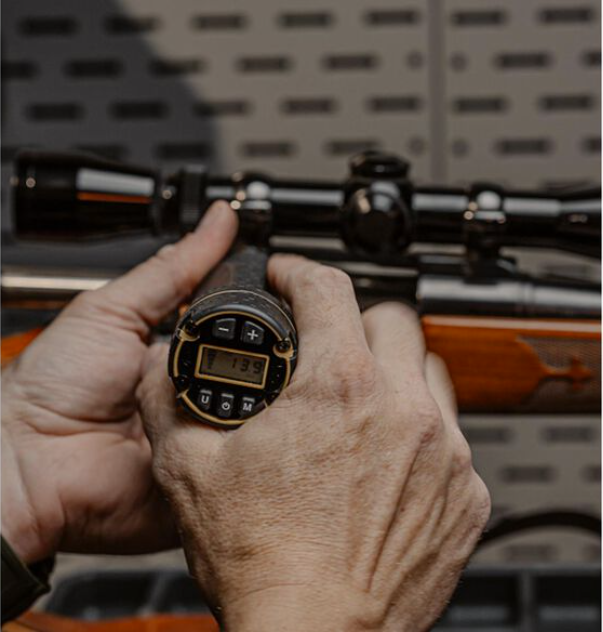
- Confirm fit first: Check tube diameter, objective clearance, bolt operation, eye relief, and ring spacing before final tightening.
- Seat the mount: Follow the mount manufacturer's instructions for positioning recoil keys or crossbolts in the rail slots.
- Tighten evenly: Maintain an even cap gap where the ring design calls for one and follow the specified sequence.
- Use published torque: Follow the lowest applicable manufacturer limit and never substitute guesswork for instructions.
- Verify at the range: Zero the rifle, confirm tracking and function, and recheck the system according to the product instructions.
Rifle Scope Rings and Bases FAQ
How do I know what size scope rings I need?
Match the rings to the optic's main tube diameter, then choose a height that clears the objective, barrel, bolt, and covers while supporting a comfortable cheek weld.
Should a scope be mounted as low as possible?
Mount it as low as practical, not simply as low as possible. The optic needs complete clearance and should align naturally with the shooter's eye and stock fit.
Do I need a 20 MOA scope base?
Not always. A 20 MOA base can preserve elevation adjustment for longer distances, while a 0 MOA base may better suit general hunting distances and optics with limited adjustment.
Can I use a standard Remington 700 base on an Evoke?
No. The Christensen Arms standard 6-48 Remington 700 base does not fit the Evoke. Use the Evoke-specific 8-40 base and verify the current fitment details before ordering.
BUILD THE CONNECTION. PROTECT THE ZERO.
Explore Christensen Arms rifle scope rings, scope bases, and optic mounts engineered for compatible hunting, precision, and rimfire platforms.
Shop Rings and Bases We use cookies on our website to give you the most relevant experience by remembering your preferences and repeat visits. By clicking "Allow all", you consent to the use of ALL the cookies.