Precision Rifle Guide
WHAT MAKES A GOOD PRECISION RIFLE?
Repeatable accuracy, shooter fit, and field-ready design built into the Modern Precision Rifle
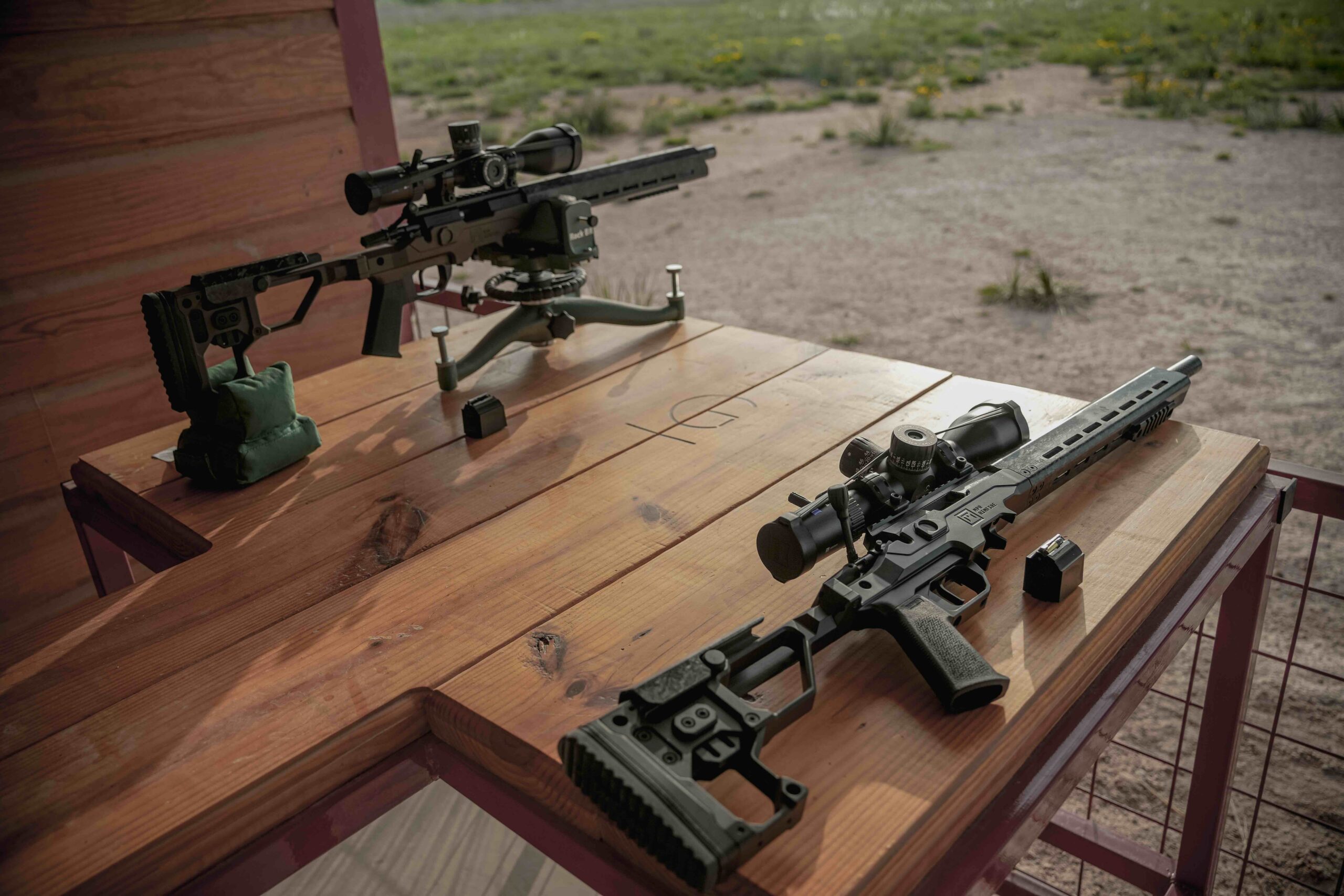
A good precision rifle starts with one simple promise: it has to put rounds where the shooter intends, again and again. That sounds obvious, but repeatable accuracy depends on more than a single group on a calm day. It comes from the way the barrel, action, stock or chassis, trigger, optics platform, and overall rifle balance work together.
For Christensen Arms, that means building a complete rifle system: one that carries well, fits the shooter, manages recoil, supports quality optics, and uses premium components where they matter most. Barrel quality is a major part of that equation, but precision comes from the full platform working together.
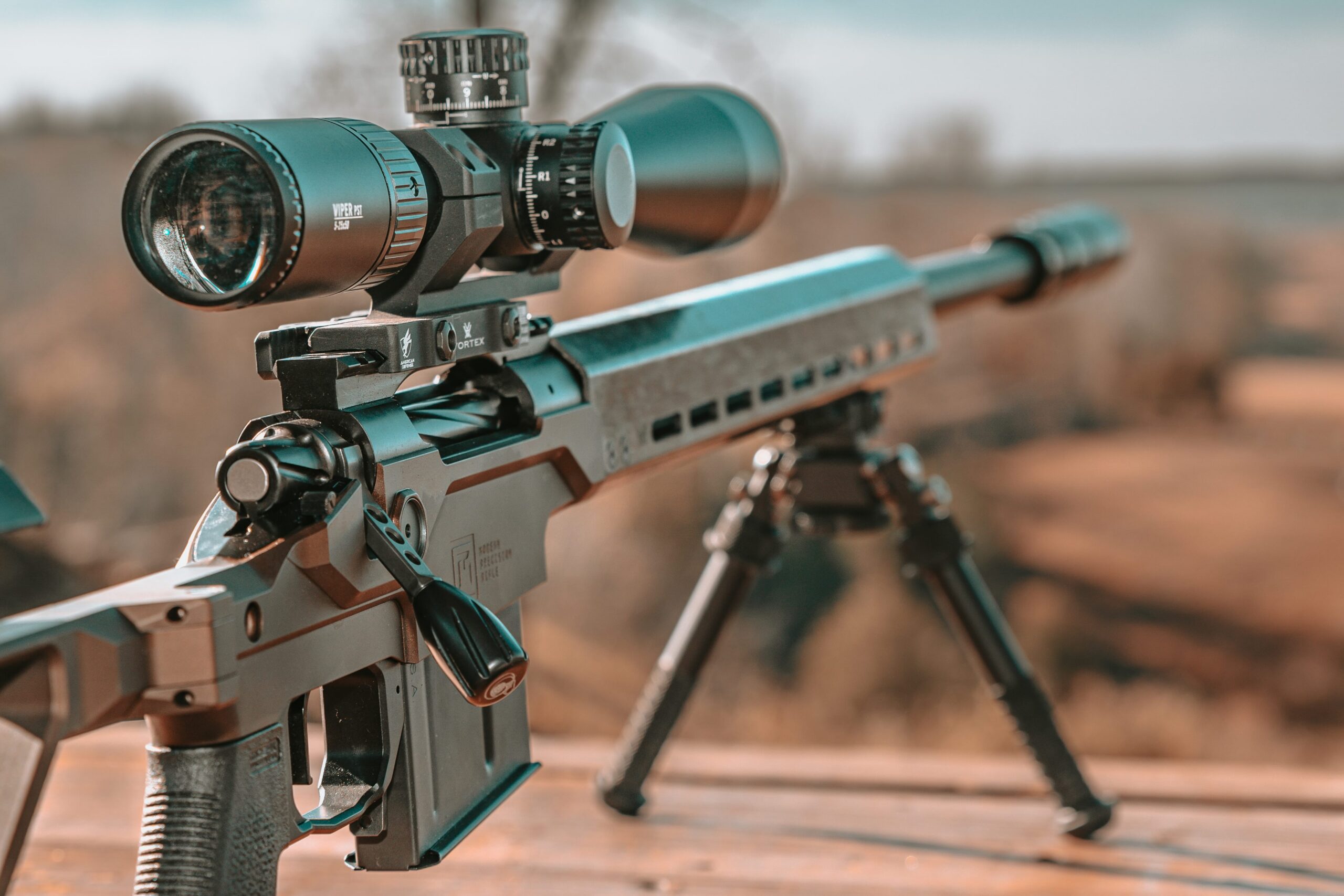
What Defines a Precision Rifle?
A precision rifle is built for repeatability. The goal is not just hitting once. The goal is building a rifle system that gives the shooter consistent point of impact across real conditions, whether that means a range session, a mountain hunt, or a high-pressure shot from a supported field position.
That means the rifle needs a stable foundation, a predictable trigger, a quality barrel, a rigid optic mounting surface, and enough adjustability for the shooter to build a natural position behind the gun.
Consistency First
A good rifle returns to the same point of impact because its core components work together under recoil, heat, and field pressure.
Shooter Control
Adjustable length of pull, cheek height, grip position, and a stable shooting interface help the rifle fit the shooter instead of forcing the shooter to adapt.
Real-World Use
The best precision rifle is matched to the mission: long-range steel, western big game, backcountry hunting, or a crossover of range and field work.
Why the Rifle Platform Matters
A precision rifle is a system, not a single part. A stable action, rigid stock or chassis, crisp trigger, dependable magazine system, and secure optic platform all help the shooter build the same position and break the same shot repeatedly.
For a hunting rifle, balance matters too. A rifle that is extremely heavy may be steady from a bench, but it can be punishing in steep country. The sweet spot is a lightweight rifle that still gives the shooter stability, adjustability, and confidence behind the trigger.
| Component | Why It Matters | What to Look For |
|---|---|---|
| Action | Provides the mechanical center of the rifle system. | Smooth cycling, consistent lockup, reliable extraction, and strong optic compatibility. |
| Chassis or Stock | Supports the action and gives the shooter a repeatable interface. | Rigidity, bedding consistency, adjustability, and field durability. |
| Trigger | Helps the shooter break the shot without disturbing the rifle. | Clean, predictable feel with a weight suited to the rifle's use. |
| Barrel | Controls bullet launch, harmonics, heat behavior, and repeatable accuracy. | Free-floating, match-chambered, rigid, and built for the cartridge. |
| Optics Rail | Creates the mounting foundation for long-range optics. | A secure rail with enough elevation support for distance work. |
Where Barrel Quality Fits
The barrel remains one of the most important parts of a precision rifle because it influences bore consistency, chamber quality, bullet stabilization, heat behavior, and point-of-impact repeatability. It should support the platform, not carry the whole story by itself.
Christensen Arms carbon fiber barrels are built around a 416R stainless steel liner, precision button rifling, and a carbon fiber wrap designed to add strength and rigidity without the full weight penalty of a traditional heavy steel barrel.
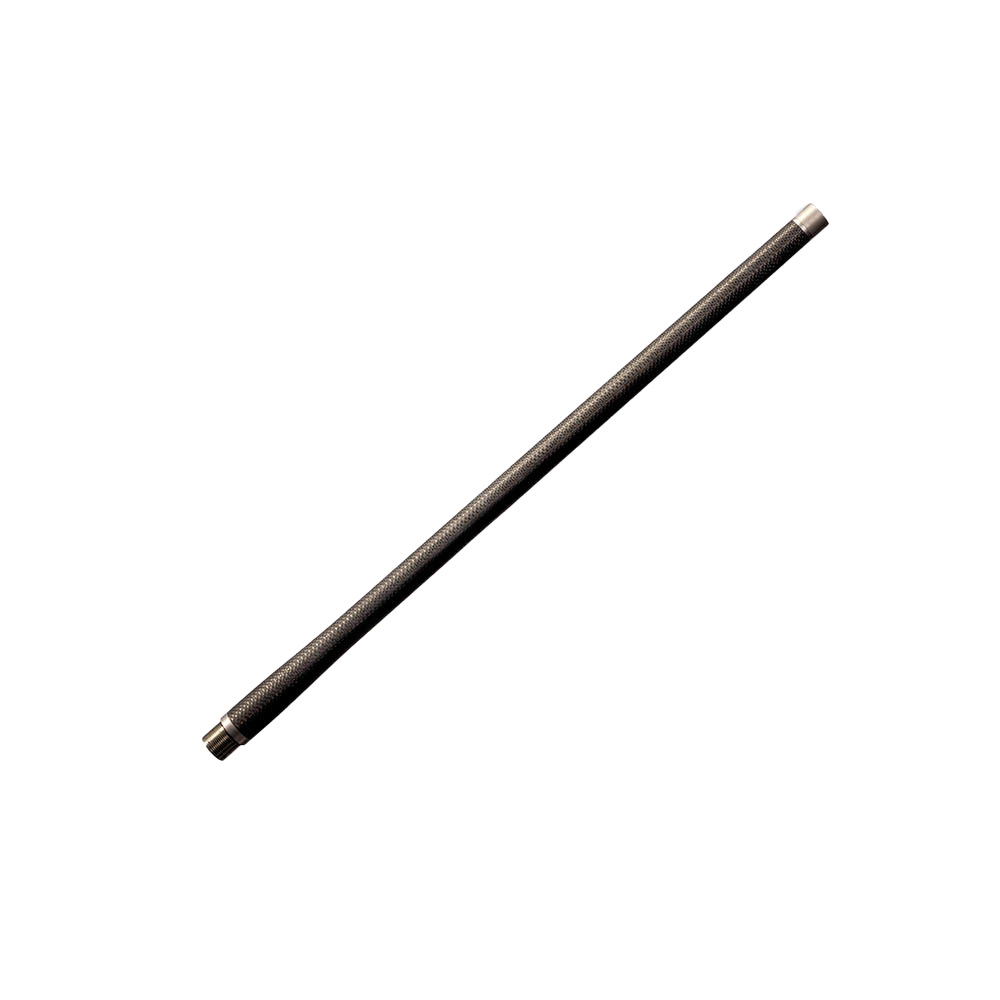
Carbon Fiber Barrels
For shooters building or upgrading around a Remington 700-pattern action, Christensen Arms carbon fiber barrels bring precision-focused barrel technology into a lighter, field-ready component.
Shop Carbon BarrelsThe Modern Precision Rifle Approach
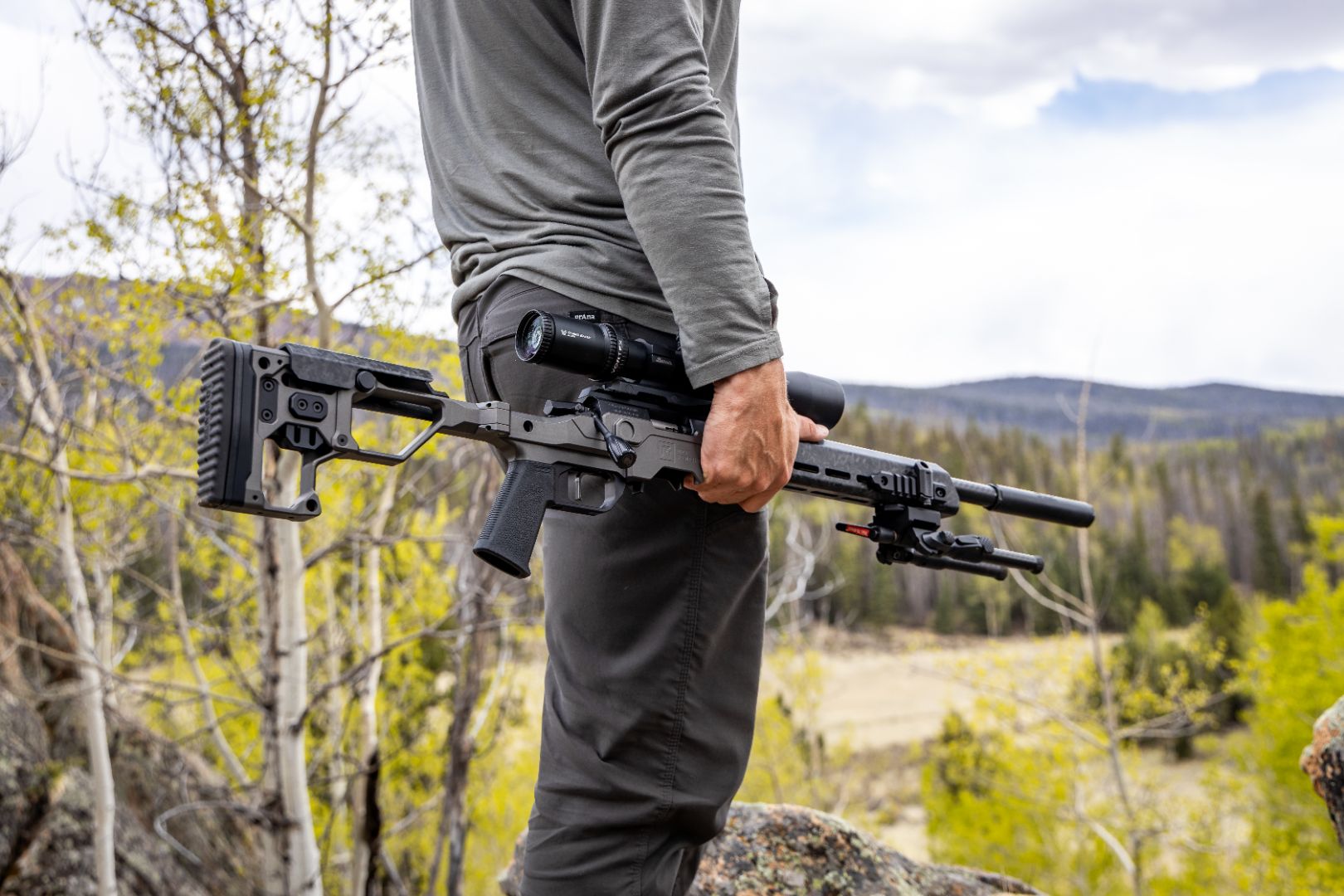
The Christensen Arms Modern Precision Rifle, or MPR, was built for shooters who want precision rifle capability without leaving field practicality behind. It is a crossover platform: accurate enough for long-range work, adjustable enough for positional shooting, and light enough to make sense beyond the bench.
The MPR starts at 6.9 pounds and carries a sub-MOA accuracy guarantee. Its folding adjustable chassis, TriggerTech trigger, 20-MOA rail, AICS-compatible magazine system, and free-floating carbon fiber barrel work together to give shooters a rifle that can be tuned for fit and packed more easily for travel or field use.
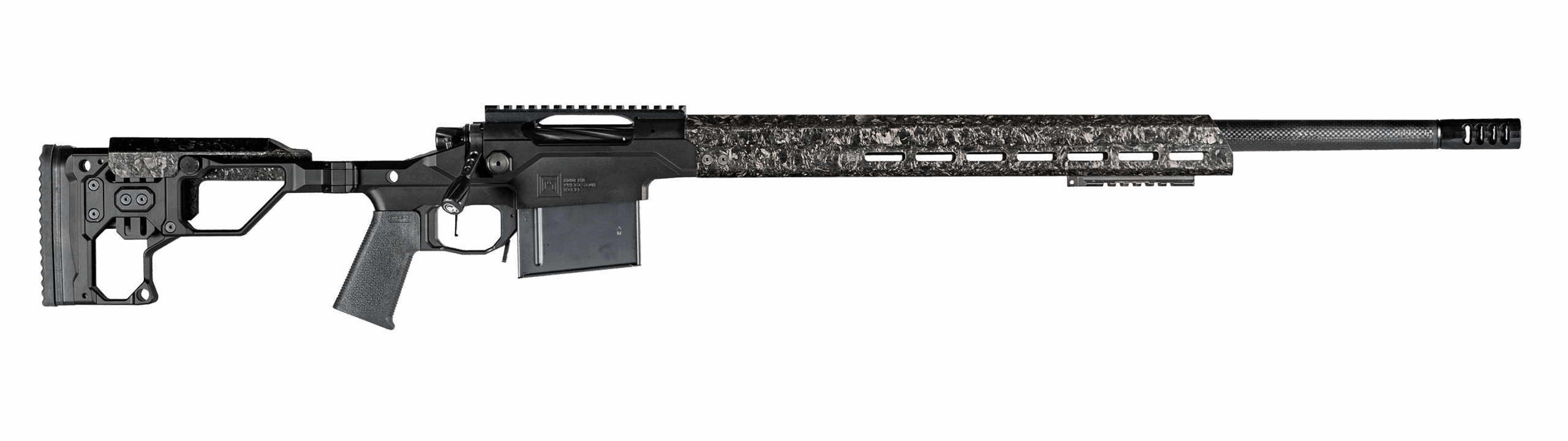
Modern Precision Rifle
Born from tactical roots and refined for the field, the MPR combines an adjustable folding chassis, carbon fiber barrel, TriggerTech trigger, and long-range optic support for a rifle that balances portability, control, and precision.
Shop the MPRPrecision Rifle or Hunting Rifle: What to Look For
Modern rifle design has narrowed the gap between precision rifles and hunting rifles. The right setup should carry well, shoot consistently, support a reliable optic, and give the shooter enough stability to build a confident position in the field.
For shooters comparing cartridges or chambering standards, SAAMI is a helpful industry resource for firearm and ammunition specifications.
- Match the cartridge to the hunt, target, recoil level, and realistic distance.
- Look at the full system: action, trigger, stock or chassis, barrel, optic support, and magazine setup.
- Choose a stock or chassis that supports a repeatable cheek weld and shoulder position.
- Balance rifle weight with control. A lightweight rifle still needs to feel stable behind the trigger.
So, What Makes a Good Precision Rifle?
A good precision rifle is not defined by one feature. It is defined by repeatability. The action has to lock up cleanly. The chassis or stock has to support the shooter. The trigger has to help the shot break clean. The barrel has to stay consistent. The optic platform has to stay dependable. And the whole rifle has to fit the job in front of it.
For shooters who want one rifle that can live comfortably between range work and field use, the Christensen Arms MPR brings those pieces together in a lightweight precision rifle platform.
Is a precision rifle good for hunting?
Yes, if the rifle balances accuracy, weight, and handling. A precision hunting rifle should be stable enough for confident shots and light enough to carry in real terrain.
What matters most in a precision rifle?
Repeatability matters most. Barrel quality, trigger feel, chassis stability, optic support, rifle fit, and weight all contribute to whether the rifle performs consistently.
Built for Repeatable Precision
From carbon fiber barrel technology to adjustable field-ready rifle platforms, Christensen Arms builds rifles for hunters and shooters who expect repeatable accuracy without unnecessary weight.
Explore the MPR We use cookies on our website to give you the most relevant experience by remembering your preferences and repeat visits. By clicking "Allow all", you consent to the use of ALL the cookies.