Cold-Weather Rifle Care
WINTER RIFLE
MAINTENANCE
How to protect reliable function, prevent corrosion, and preserve accuracy through cold, snow, and moisture
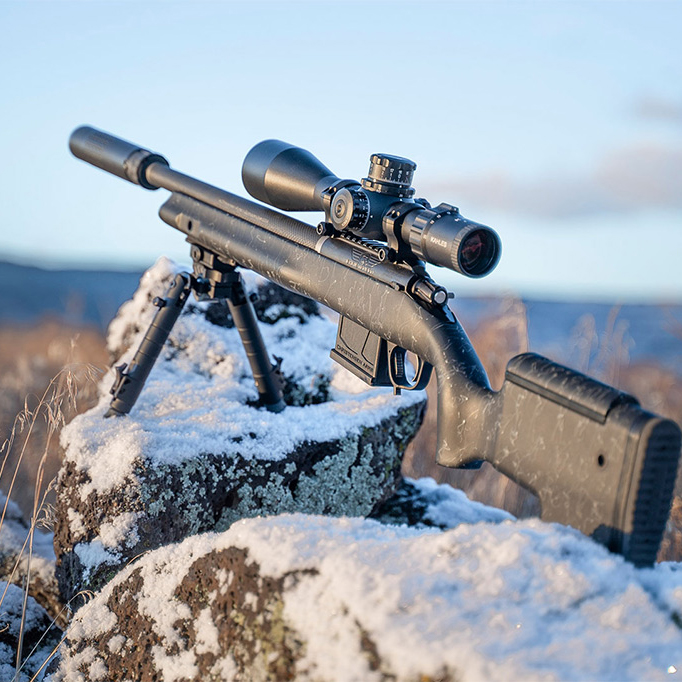
Winter rifle maintenance starts before the temperature drops. Cold weather can thicken lubricant, loosen hardware, conceal moisture, and introduce snow or grit into critical areas. A short inspection and careful cleaning routine help keep your rifle operating smoothly and shooting consistently when the hunt depends on it.
The goal is simple: keep the action clean, the bore clear, lubrication light, and moisture away from metal surfaces. Use this guide before a winter hunt, in the field, and after the rifle returns indoors.
Winter Rifle Maintenance Before the Hunt
Begin with the rifle unloaded, the magazine removed, and the chamber verified clear. Work through the areas most likely to be affected by cold and moisture.
Cycle the Bolt
Confirm free, smooth operation and check the lugs, bolt face, and receiver raceways for grime or heavy lubricant.
Check the Muzzle
Make sure the barrel, chamber, and muzzle are clear of oil, debris, grit, snow, and ice.
Verify Fasteners
Inspect scope mounts, action screws, sling mounts, and accessories for movement caused by repeated temperature changes.
Protect the Glass
Clean the lenses and use covers to reduce the chance of snow, fog, or condensation obscuring the sight picture.
Never fire with an obstructed bore. If snow, ice, mud, or another material enters the barrel, unload the rifle and clear the obstruction completely before use.
Winter Rifle Cleaning and Drying
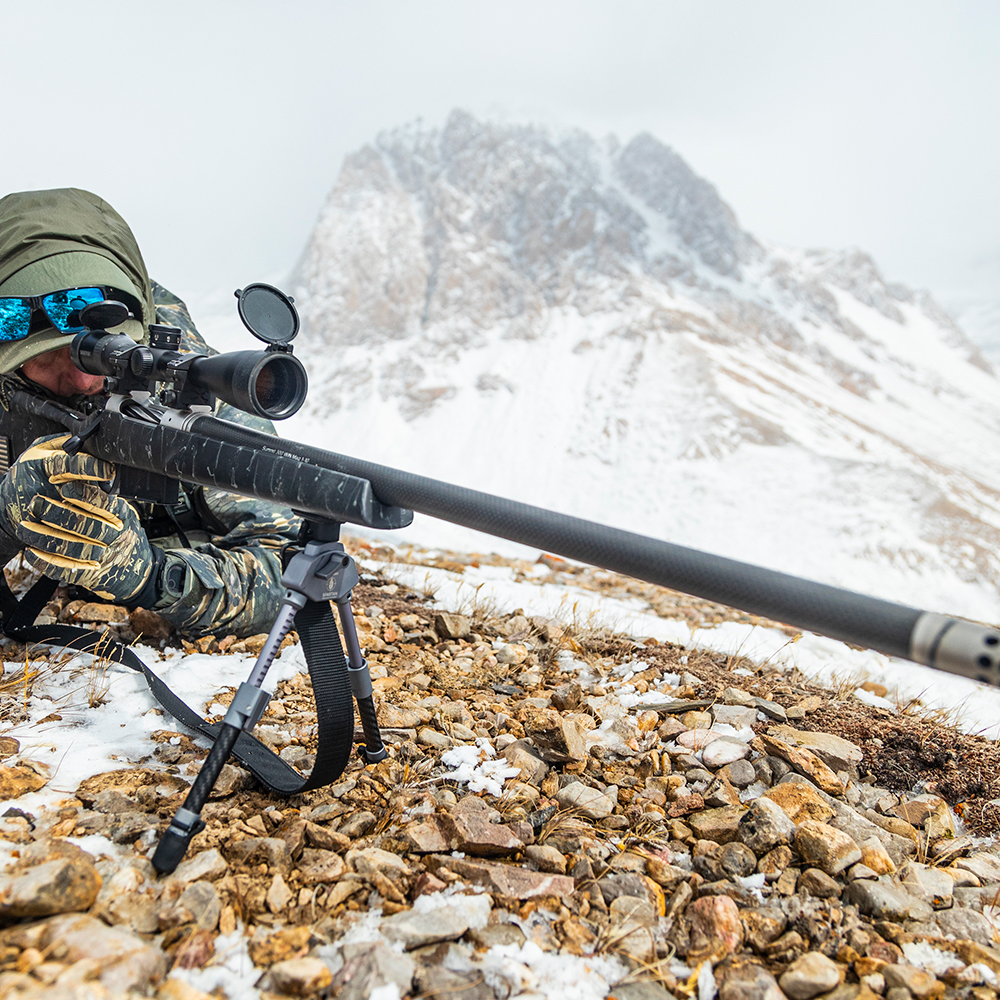
A reliable winter rifle maintenance routine must account for snowmelt, road spray, salt, mud, and grit. Those contaminants can collect around the action, stock recesses, and metal surfaces even when the rifle looks clean at first glance.
- Barrel and chamber: Clean the bore, chamber, and bolt face with the appropriate solvent, patches, and tools for your rifle.
- Action: Remove the bolt according to the owner's manual and clear debris from the bolt lugs, receiver face, and raceways.
- Stock and bedding: Wipe away moisture and inspect recesses for trapped slush or grit.
- Exterior metal: Dry exposed surfaces thoroughly and apply only the corrosion protection recommended for the rifle.
For model-specific directions, follow the owner's manual and use the cleaning information available through Christensen Arms Support.
Cold-Weather Rifle Lubrication
Heavy oil can become sluggish as temperatures fall. Use a low-viscosity firearm lubricant rated for the conditions you expect, and follow the lubricant manufacturer's application instructions.
- Apply a light film to the locking surfaces and receiver raceways rather than saturating the action.
- Wipe away excess lubricant that can hold dirt, powder residue, or moisture.
- Keep the chamber and bore free of excess oil before firing.
- After exposure to snow or condensation, inspect, wipe down, and reapply protection only where needed.
Manage Condensation After Temperature Changes
Moving a cold rifle directly into a warm vehicle, tent, or building can cause moisture to condense on its surfaces. Give the unloaded rifle time to reach room temperature in a dry, ventilated location, then inspect and wipe it down before storage.
Avoid sealing a damp rifle in a soft case. Cases can hold moisture against the firearm and delay drying. Once the rifle is dry, store it in a controlled environment when possible and use desiccant in an enclosed storage space as needed. For broader storage guidance, review the firearm safety and secure-storage resources from NSSF.
Cold-Weather Field Check
This field check is the final step in pre-hunt winter rifle maintenance. Cold can affect ammunition performance, point of impact, batteries, and equipment, so confirm the rifle under realistic conditions before relying on it in the field.
| Check | What to Verify | Why It Matters |
|---|---|---|
| Zero | Fire a confirmation group with the hunting ammunition you plan to carry. | Cold conditions can reveal changes in ammunition and rifle performance. |
| Optics | Check clarity, caps, mounts, turret settings, and illuminated-reticle batteries. | Fog, snow, or a weak battery can compromise the sight picture. |
| Action | Cycle the unloaded action and confirm the controls work smoothly with gloves. | Thick lubricant or ice can slow normal operation. |
| Accessories | Inspect sling hardware, bipods, tripods, suppressors, and muzzle devices. | Loose or shifted equipment can affect safe handling and shot setup. |
After-Hunt Winter Rifle Maintenance
Do not let winter residue wait until spring. Once the rifle is unloaded and safe, complete a basic post-hunt routine.
- Remove snow, slush, salt, dirt, and vegetation from the rifle and equipment.
- Let the rifle warm and dry before inspecting the action, bore, and exterior metal.
- Clean as required and refresh corrosion protection with a light, appropriate application.
- Record unusual behavior such as slow bolt movement, condensation, shifting zero, or loose hardware.
Winter Rifle Maintenance FAQ
Should I oil a rifle heavily for winter?
No. Use the product and amount specified by the rifle and lubricant manufacturers. In cold weather, a light application of suitable low-viscosity lubricant is generally preferable to excess oil.
How do I prevent rust after a winter hunt?
Unload the rifle, allow it to warm and dry, remove moisture and contaminants, then apply the recommended corrosion protection before dry storage.
Can cold weather change a rifle's zero?
Temperature can affect ammunition, equipment, and point of impact. Confirm zero with the ammunition and conditions expected on the hunt.
Where can I find rifle-specific cleaning instructions?
Consult the owner's manual and Christensen Arms Support for the cleaning guidance appropriate to your model and chambering.
Keep Your Rifle Ready for the Cold
Use the correct cleaning tools, follow the owner's manual, and address moisture before it can affect function or finish.
Visit Rifle Support We use cookies on our website to give you the most relevant experience by remembering your preferences and repeat visits. By clicking "Allow all", you consent to the use of ALL the cookies.