Hunting Rifle Guide
HOW TO CHOOSE
THE RIGHT
HUNTING RIFLE
Match the rifle, caliber, weight, and configuration to the game, terrain, and distance you actually hunt
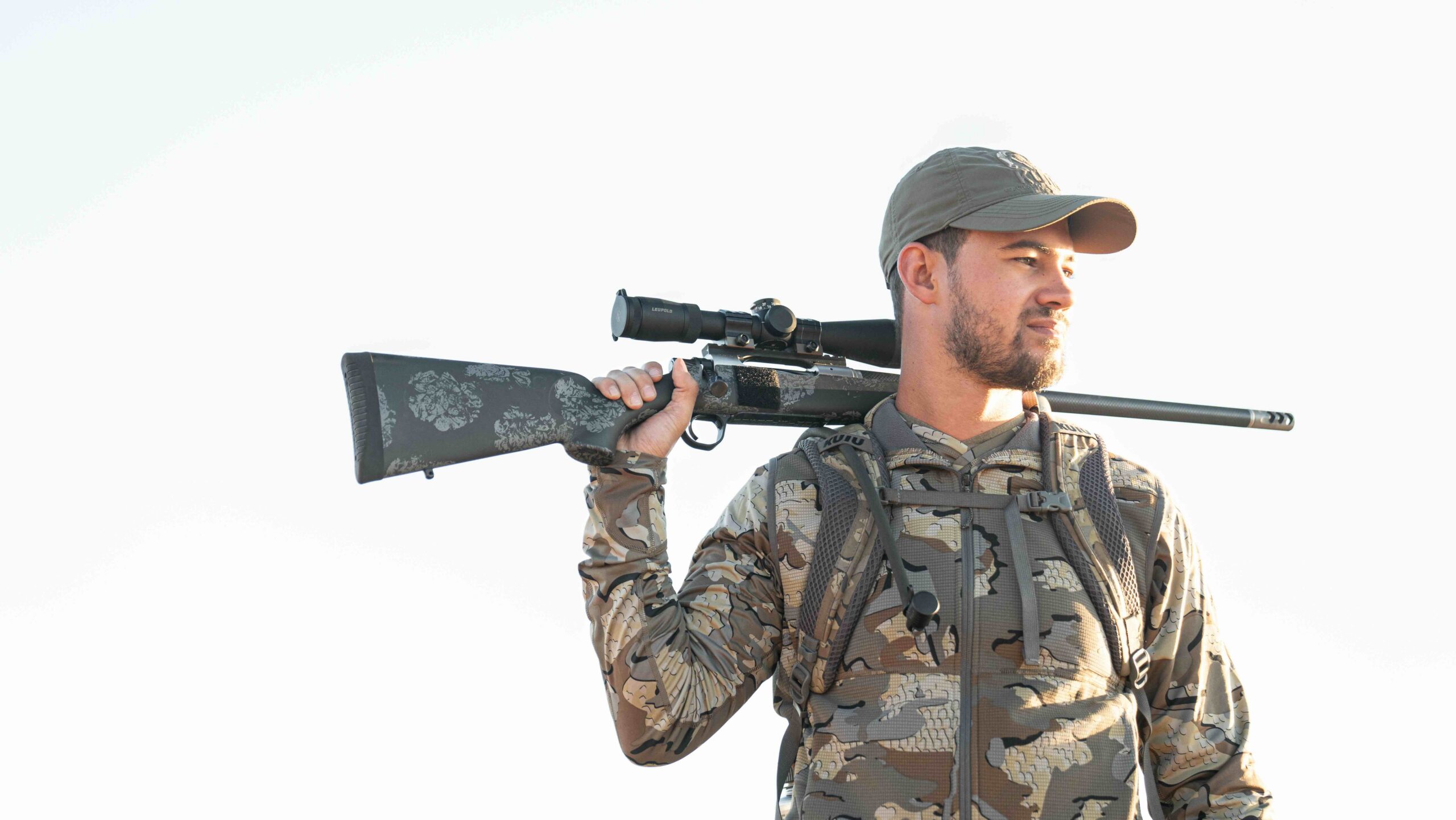
Choosing the right hunting rifle starts with the hunt, not the specification sheet. The best rifle for a whitetail stand may not be the best rifle for steep elk country, open-country mule deer, or a long backcountry carry.
Start by defining the game, terrain, likely shot distance, and amount of time the rifle will spend on your shoulder. From there, you can make practical decisions about caliber, weight, action length, barrel construction, stock design, recoil, and fit.
Start With the Hunt
A hunting rifle should solve the problems created by your environment. Before comparing models, write down the kind of hunt you are preparing for and how the rifle needs to perform.
What Are You Hunting?
Game size helps determine the cartridge, bullet construction, recoil level, and rifle platform you should consider.
How Far Will You Carry?
Steep or remote country rewards lower weight. Shorter carries and supported positions can make additional rifle mass useful.
What Is a Realistic Shot?
Choose for the distances you can confirm in practice, not the longest shot the cartridge can theoretically make.
What Weather Is Likely?
Rain, snow, dust, and temperature swings put a premium on durable finishes, dependable components, and easy maintenance.
Find a Rifle Built for Your Hunt
Answer a few questions about your game, terrain, and priorities to narrow the Christensen Arms lineup.
Take the Rifle Quiz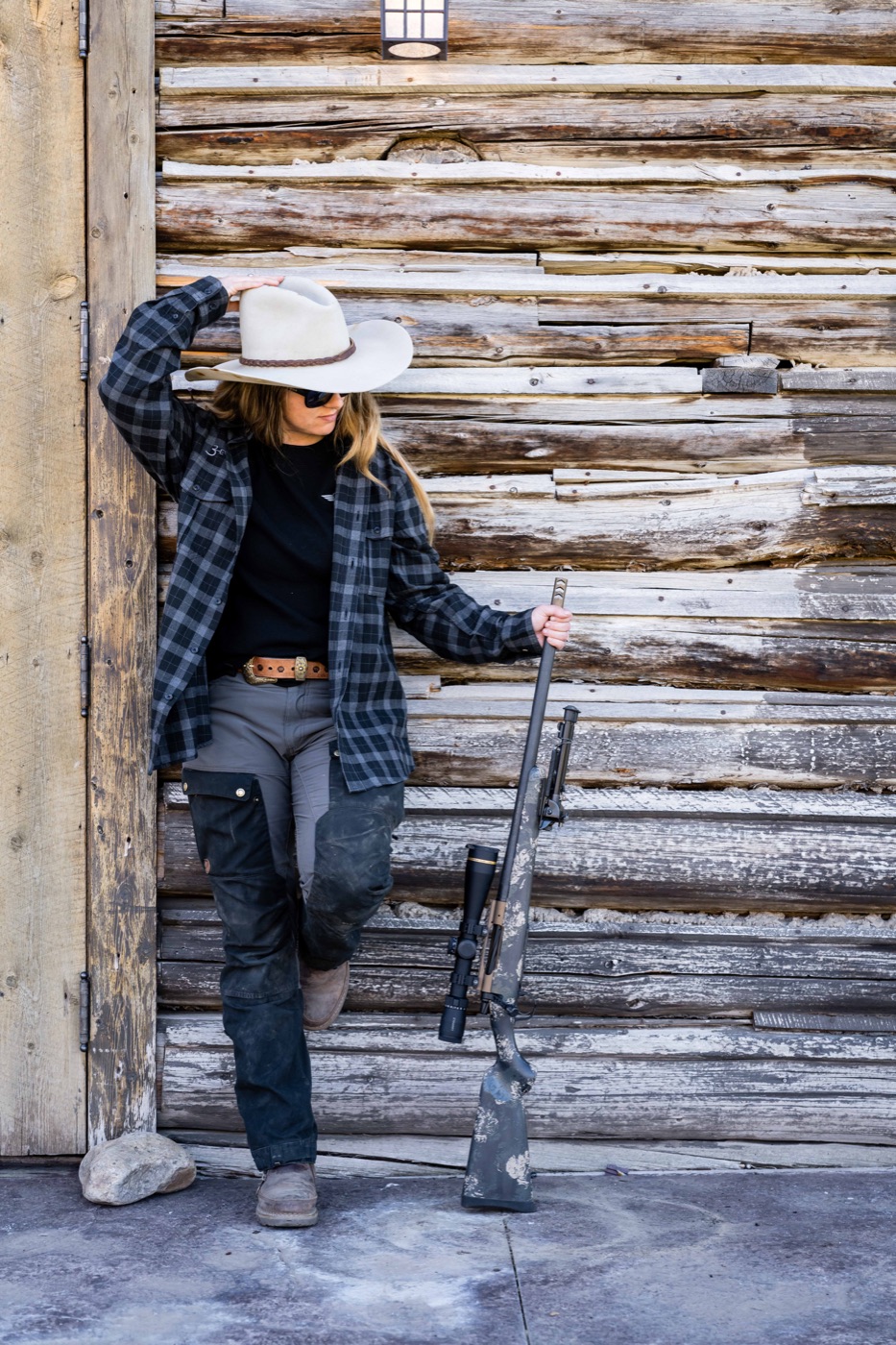
Choose the Right Hunting Rifle Caliber
Caliber selection should balance terminal performance, recoil, ammunition availability, and the distance at which you can place a shot responsibly. More power is not automatically better if recoil makes practice uncomfortable or disrupts your shooting position.
For deer and similarly sized game, many hunters favor moderate-recoil cartridges that are widely available and practical to train with. Larger game or longer distances may call for more retained energy, but the bullet, shot placement, and hunter's proficiency remain critical.
For a deeper comparison by game type, read Caliber Selection: Matching Your Rifle to Your Game. Shooters comparing standardized cartridge and chamber information can also consult the independent technical resources from SAAMI.
The right hunting caliber is one you can shoot accurately, practice with regularly, and match to the game and conditions within applicable hunting regulations.
Balance Hunting Rifle Weight and Stability
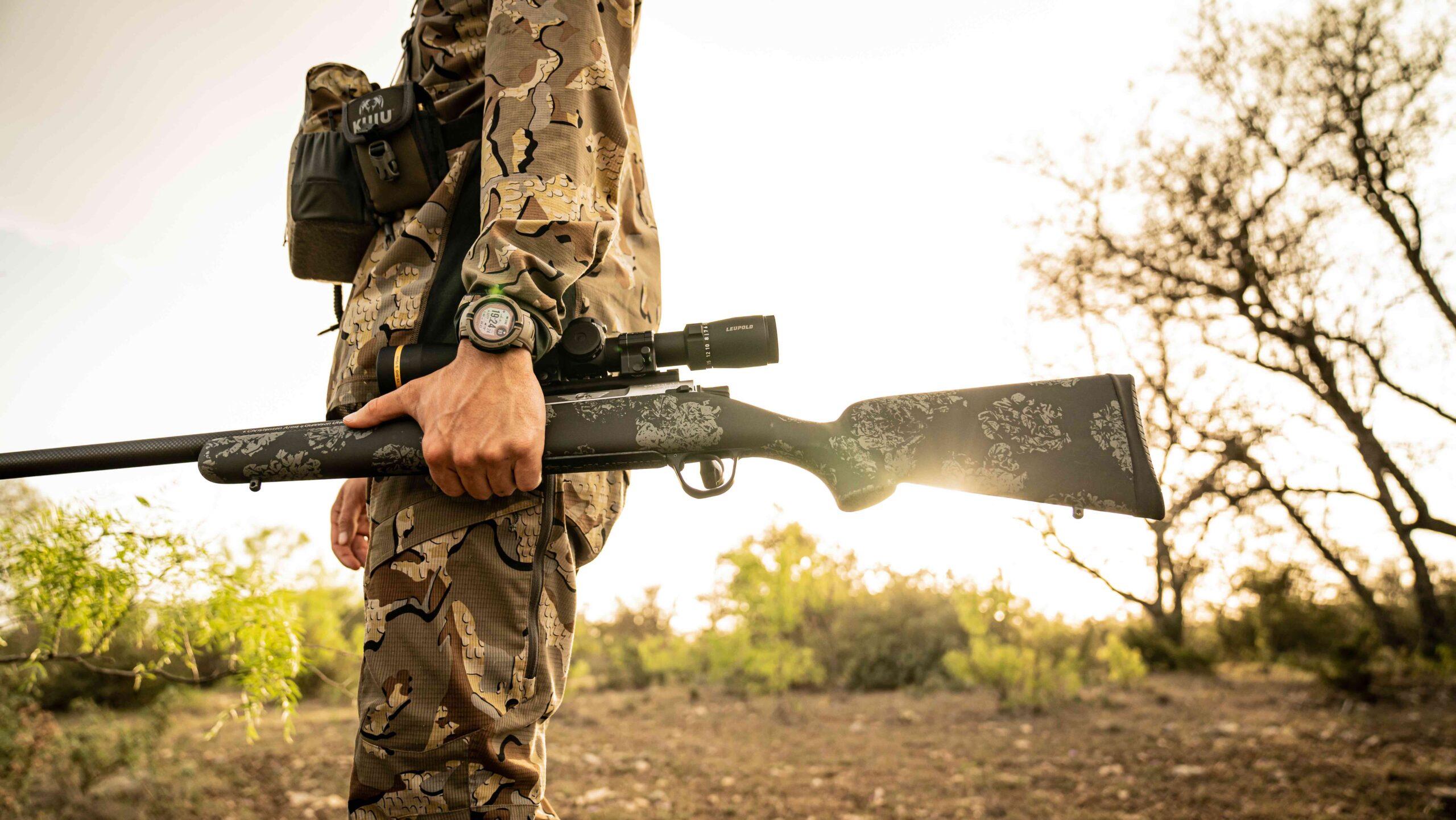
Rifle weight changes both the carry and the shot. A lightweight hunting rifle reduces fatigue during long climbs and extended days in the field. A heavier rifle can feel steadier from supported positions and may reduce felt recoil.
The best balance depends on how you hunt. Backcountry hunters often prioritize ounces because every pound travels uphill. Hunters working from a blind, stand, vehicle-supported camp, or short approach may prefer a little more mass and stability.
| Hunting Style | Useful Rifle Traits | Why They Matter |
|---|---|---|
| Mountain / Backcountry | Low starting weight, durable stock, balanced carry | Reduces fatigue across elevation and long distances. |
| Whitetail Stand | Compact handling, manageable recoil, practical barrel length | Works well in tighter spaces and common stand distances. |
| Open Country | Stable shooting interface, dependable optics mounting, ballistic capability | Supports deliberate positions where wind and distance matter. |
| Mixed Terrain | Moderate weight, versatile chambering, weather-resistant finish | Balances carry, control, and adaptability across different hunts. |
Compare the Action, Barrel, and Stock
A hunting rifle is a complete system. Look beyond one headline feature and consider how the action, barrel, stock, trigger, and optic mounting surface work together.
- Action: Look for smooth cycling, reliable feeding and extraction, consistent lockup, and compatibility with your chosen cartridge.
- Barrel: Consider material, contour, length, muzzle threading, and how the design balances weight with rigidity.
- Stock: Prioritize rigidity, weather resistance, grip geometry, a repeatable cheek weld, and a recoil pad suited to the cartridge.
- Trigger: A clean and predictable trigger helps the shooter break the shot without disturbing the rifle.
- Optic mounting: Confirm base compatibility and leave room in the total weight budget for the scope and rings.
The cartridge determines the required action length. Our guide to short-action versus long-action rifles explains how that choice affects weight, bolt travel, and chambering options.
Prioritize Rifle Fit and Recoil Control
A rifle that fits well is easier to mount consistently and control from field positions. Check length of pull, grip angle, comb height, eye alignment behind the optic, reach to the trigger, and how the rifle balances in your hands.
Evaluate recoil as part of the complete setup. Rifle weight, stock geometry, recoil pad, muzzle device, cartridge, and shooting position all influence comfort. The best hunting rifle is one you will practice with enough to build confidence before the season.
Christensen Arms Hunting Rifle Options
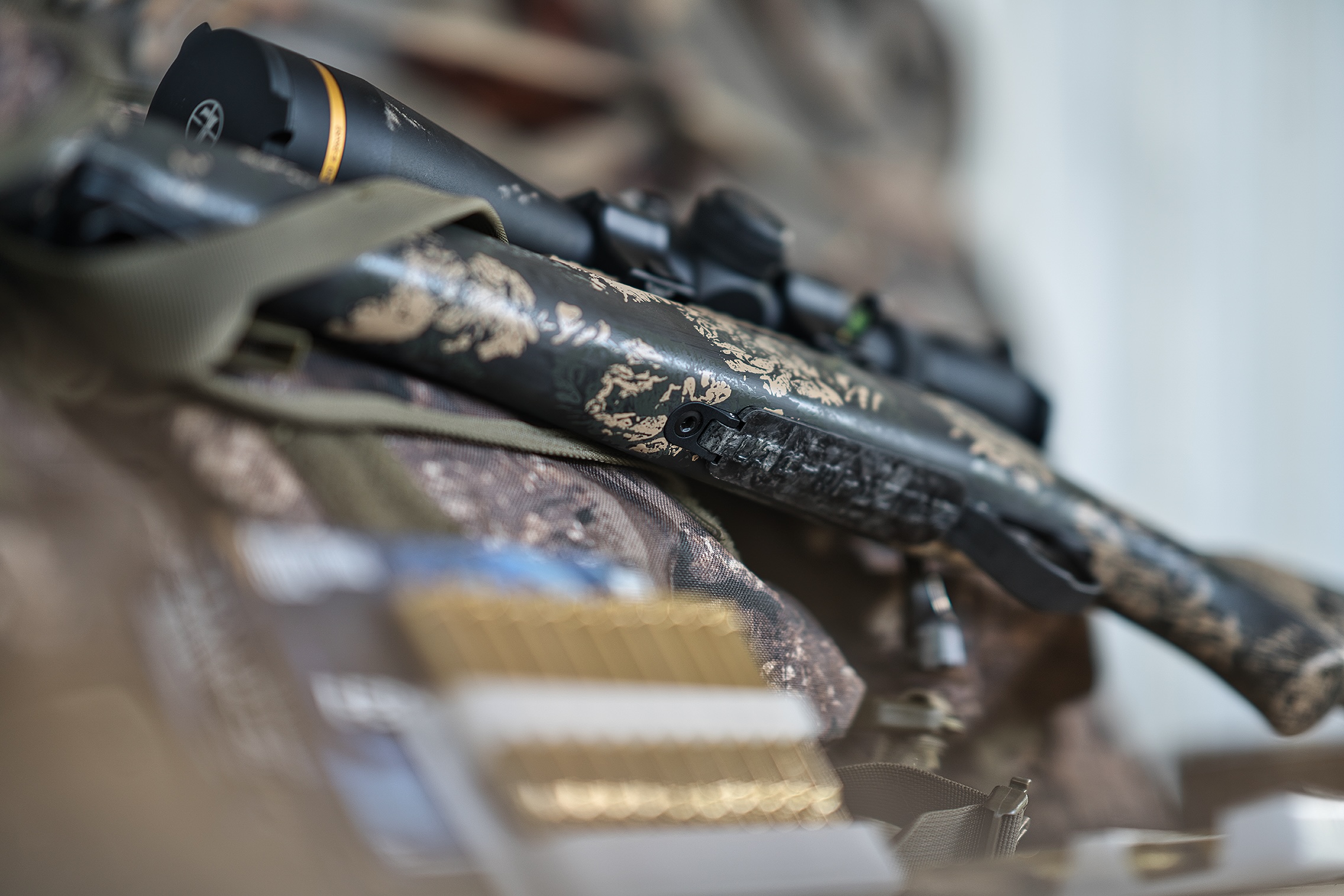
Different hunters need different balances of value, carry weight, materials, and long-range capability. These three platforms provide useful starting points within the Christensen Arms bolt-action lineup.
Evoke
A field-focused hunting rifle with a stainless-steel barrel, ergonomic polymer stock, broad chambering selection, and sub-MOA accuracy guarantee.
View EvokeMesa FFT
A 5.9-pound starting platform that pairs an FFT carbon fiber stock with a free-floating stainless-steel barrel.
View Mesa FFTRidgeline FFT
A lightweight hunting platform built around an FFT stock and Christensen Arms carbon fiber barrel technology.
View Ridgeline FFTAvailable specifications, chamberings, and configurations can change. Confirm the current product page and local dealer availability before making a final selection.
Hunting Rifle Buying Checklist
- Identify the primary game species and review applicable hunting regulations.
- Estimate realistic field distances based on terrain and your demonstrated ability.
- Choose a cartridge with suitable performance, manageable recoil, and available ammunition.
- Set a complete rifle weight goal that includes the optic, rings, sling, and accessories.
- Confirm the stock dimensions, grip, cheek weld, and trigger reach fit your body and shooting style.
- Compare barrel length, material, contour, muzzle threading, and suppressor or brake plans.
- Budget for a quality optic, ammunition, practice, maintenance equipment, and a secure storage solution.
Hunting Rifle FAQ
What should I look for in a hunting rifle?
Match the rifle to your game, terrain, expected distance, recoil tolerance, and carry needs. Then evaluate the complete system: action, barrel, stock, trigger, optics compatibility, and fit.
How much should a hunting rifle weigh?
There is no universal ideal. Backcountry hunters often prioritize a lighter rifle, while hunters shooting from supported positions may accept more weight for stability and recoil control.
What is the best hunting rifle caliber?
The best caliber is appropriate for the game, legal where you hunt, available to practice with, and comfortable enough for you to shoot accurately.
Is a carbon fiber barrel worth considering?
It can be valuable when a hunter wants barrel rigidity and performance without the full weight of a comparable heavy steel contour. The benefit depends on the rifle's intended use and budget.
Choose a Hunting Rifle With Confidence
Match the platform to the hunt, then choose the configuration you can carry comfortably, shoot consistently, and trust in the field.
Explore Bolt-Action Rifles We use cookies on our website to give you the most relevant experience by remembering your preferences and repeat visits. By clicking "Allow all", you consent to the use of ALL the cookies.