Rifle Guide
SUPPRESSOR READY
LIGHTWEIGHT
RIFLES
How to Choose a Hunting Rifle Built for the Can
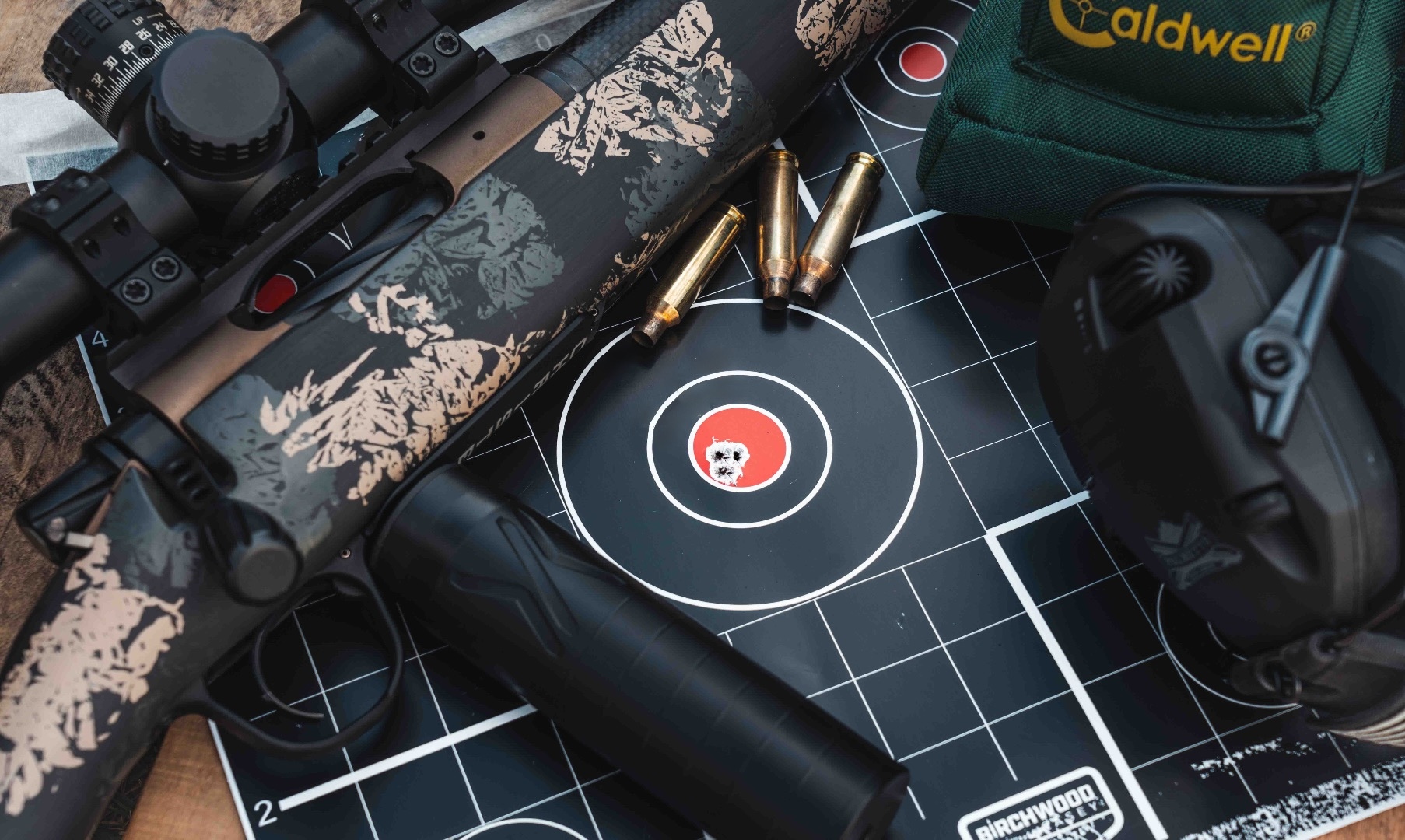
Suppressor ready lightweight rifles start with two things: a muzzle that is ready for a clean brake-to-suppressor swap and a rifle light enough to stay balanced after the can goes on. That matters most in the backcountry, where every ounce and every inch of added length changes how the rifle carries.
Running a suppressor changes the way a rifle performs. The sound signature drops, muzzle rise is reduced, and target reacquisition gets faster. But not every rifle is built to take full advantage of a suppressor. We built our rifles differently, and that distinction matters every time someone threads a can on.
Why Suppressor Ready Lightweight Rifles Matter
Across our entire bolt-action lineup, every rifle ships with a removable muzzle brake. There's no permanent device to work around, no machining required, and no gunsmith visit before the first suppressed shot. Remove the brake, thread on the can, and the rifle is ready to go.
We designed the platform this way from the factory because more hunters and precision shooters are shooting suppressed. The muzzle brakes on our rifles aren't add-ons. They're precision-machined, fitted to the barrel with the same tolerances we hold every other component to, and designed to come off cleanly every time.
No permanent device. No gunsmith visit. No machining required. Remove the brake, thread on the suppressor, and the rifle is ready.
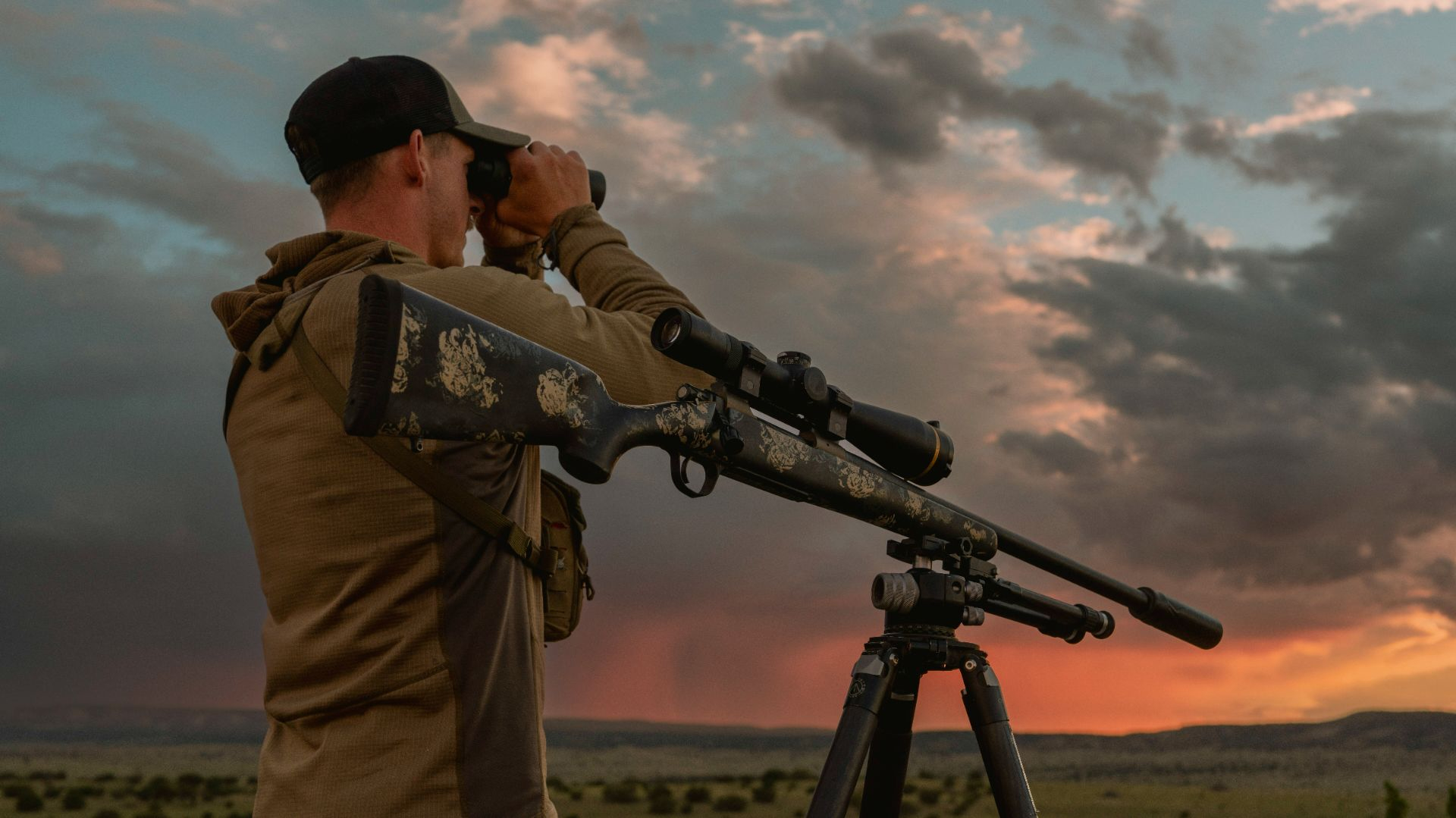
Suppressor Ready Lightweight Rifles and Added Weight
A quality suppressor can add 10 to 20 ounces depending on caliber and construction. On a heavy rifle, that math becomes a liability fast, especially in the backcountry where every ounce felt at mile one compounds by mile six. On suppressor ready lightweight rifles like our Ridgeline FFT, Mesa FFT, or Modern Carbon Rifle, the equation stays manageable.
Christensen Arms' carbon fiber barrels are the foundation of that advantage. Wrapped in aerospace-grade carbon fiber over a precision steel core, they shed significant weight compared to a conventional steel contour without giving anything up in rigidity or accuracy. Our aerograde carbon fiber wrapping process was developed from the aerospace engineering principles that our founder, Dr. Roland Christensen, brought to firearms manufacturing in the mid-1990s, and it remains the backbone of our suppressor-ready lightweight rifle platform today.
The result is a rifle that stays manageable on the mountain, even with a suppressor installed. That's the difference you feel at elevation, and the difference that keeps the rifle moving naturally when the shot window opens.
Best Suppressor Ready Lightweight Rifles to Consider
The best suppressor-ready rifle depends on how far you carry it, how much weight you can afford to add, and whether your priority is mountain hunting, precision shooting, or a first serious suppressed hunting setup. For most backcountry hunters, the Ridgeline FFT is the natural starting point.
With a stainless-steel action, aerograde carbon fiber wrapped barrel, and FFT carbon fiber stock, it delivers one of the lightest bare-rifle weights in its class. Thread on a suppressor and it still handles like a rifle built for all-day carry.
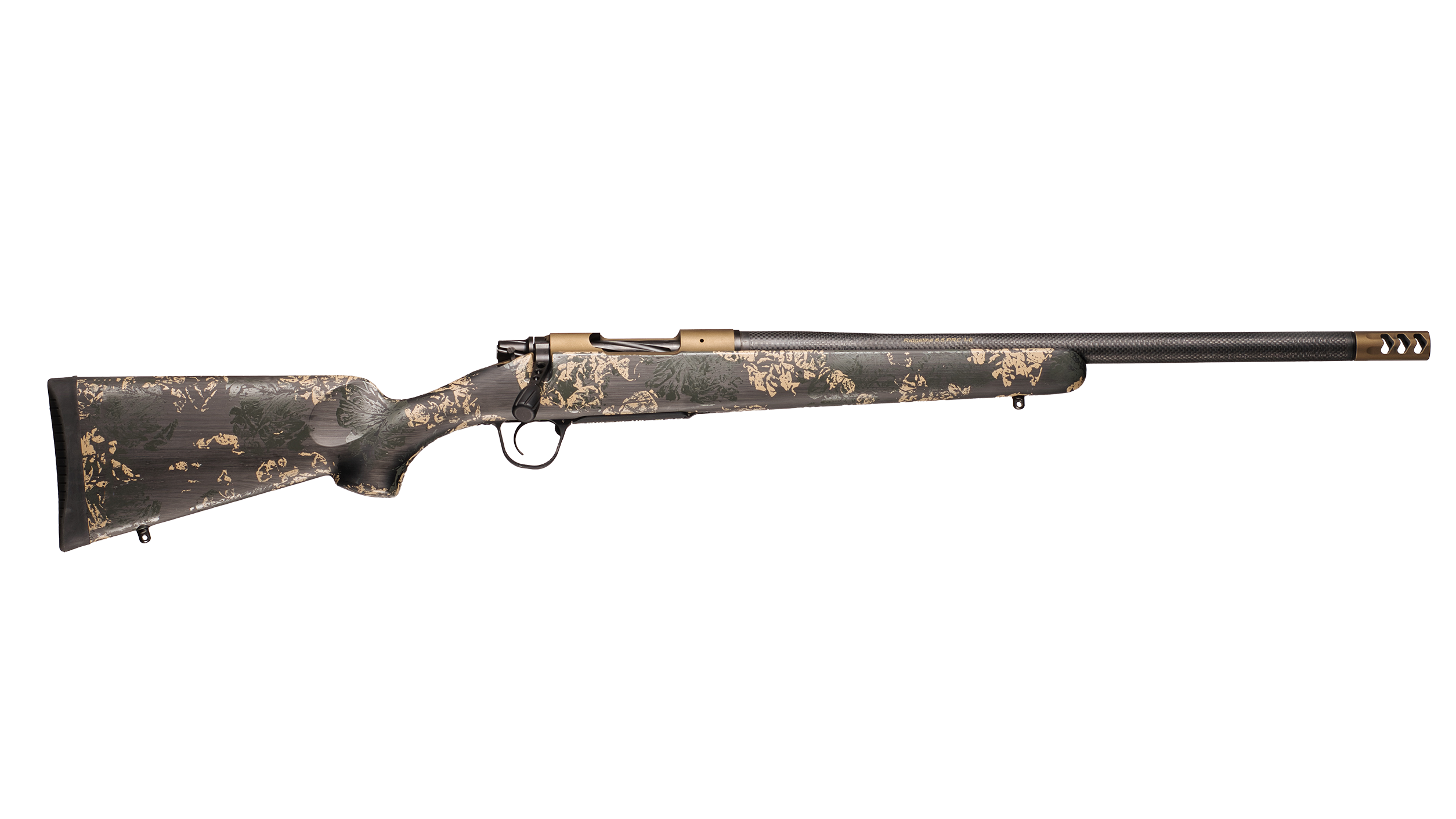
For those who want to push even further, the Ridgeline FFT Ti replaces the steel action with precision-machined titanium, shaving additional weight without compromising strength. It's the kind of platform made to be run suppressed on high-elevation hunts, where the margin between too heavy and just right is the difference between reaching the summit and turning back.
Our Mesa FFT delivers the same suppressor-ready muzzle configuration in a more accessible package. Featuring a precision-machined stainless barrel and an FFT carbon fiber stock, it keeps the overall weight honest. For the shooter building a first serious suppressed hunting rifle, the Mesa FFT is a proven platform at a price that makes sense.
- Ridgeline FFT: A lightweight carbon rifle built for backcountry hunters who plan to run suppressed.
- Ridgeline FFT Ti: Titanium action weight savings for high-elevation hunts where every ounce matters.
- Mesa FFT: Suppressor-ready configuration and FFT carbon fiber stock in a more accessible hunting platform.
- Modern Carbon Rifle: Carbon fiber barrel performance in a modern platform built for precision-minded shooters.
No Limits. Just Results.
Suppressors reward precision. They reduce fatigue, improve follow-through, protect hearing in the field, and make every shot a cleaner process. But a suppressor is only as good as the platform it's attached to. A rifle that wasn't built for the can will fight it. Ours won't.
Every suppressor-ready lightweight rifle we make is built to stay out of the way and let the shooter shoot. Removable muzzle brake, carbon fiber construction, aerospace-grade engineering: it's all there from the factory because we don't believe in building a rifle and then asking anyone to make it work after the fact. We build it to work from the moment it comes out of the box.
That's the Christensen Arms standard. No Limits. Just Results.
Suppressor-Ready Rifle FAQ
Do I need a gunsmith to run a suppressor on a Christensen Arms rifle? No. Every Christensen Arms bolt-action rifle ships with a removable muzzle brake. Remove the brake, thread on the suppressor, and the rifle is ready.
How much weight does a suppressor add to a hunting rifle? Most quality suppressors add roughly 10 to 20 ounces depending on caliber and construction. Starting with a lightweight rifle helps keep the full setup manageable.
Which Christensen Arms rifle is best for a suppressed backcountry setup? The Ridgeline FFT is a strong starting point for most backcountry hunters because it combines a carbon fiber wrapped barrel, FFT carbon fiber stock, and a removable muzzle brake in a lightweight platform.
The Bottom Line
Ready to build your suppressed setup? Start with a rifle designed for the extra weight, the added length, and the real field positions that come with shooting suppressed.
From carbon fiber barrels to removable muzzle brakes, Christensen Arms rifles are designed around real-world field use. When the suppressor goes on, the rifle stays balanced, manageable, and ready to perform.
Built light. Threaded right. Ready for the can.
Build Your Suppressed Hunting Setup
Every Christensen Arms bolt-action rifle ships with a removable muzzle brake, making the move to a suppressor simple from the start.
Whether you're building an ultralight backcountry rifle or a precision platform for longer shots, there's a Christensen Arms rifle built for your hunt.
No machining. No gunsmith visit. No Limits. Just Results. Shop Suppressor-Ready Rifles We use cookies on our website to give you the most relevant experience by remembering your preferences and repeat visits. By clicking "Allow all", you consent to the use of ALL the cookies.