Training Guide
6 LONG-RANGE
RIFLE
SHOOTING DRILLS
Trigger Control, Stability, Wind Calls, and Follow-Through
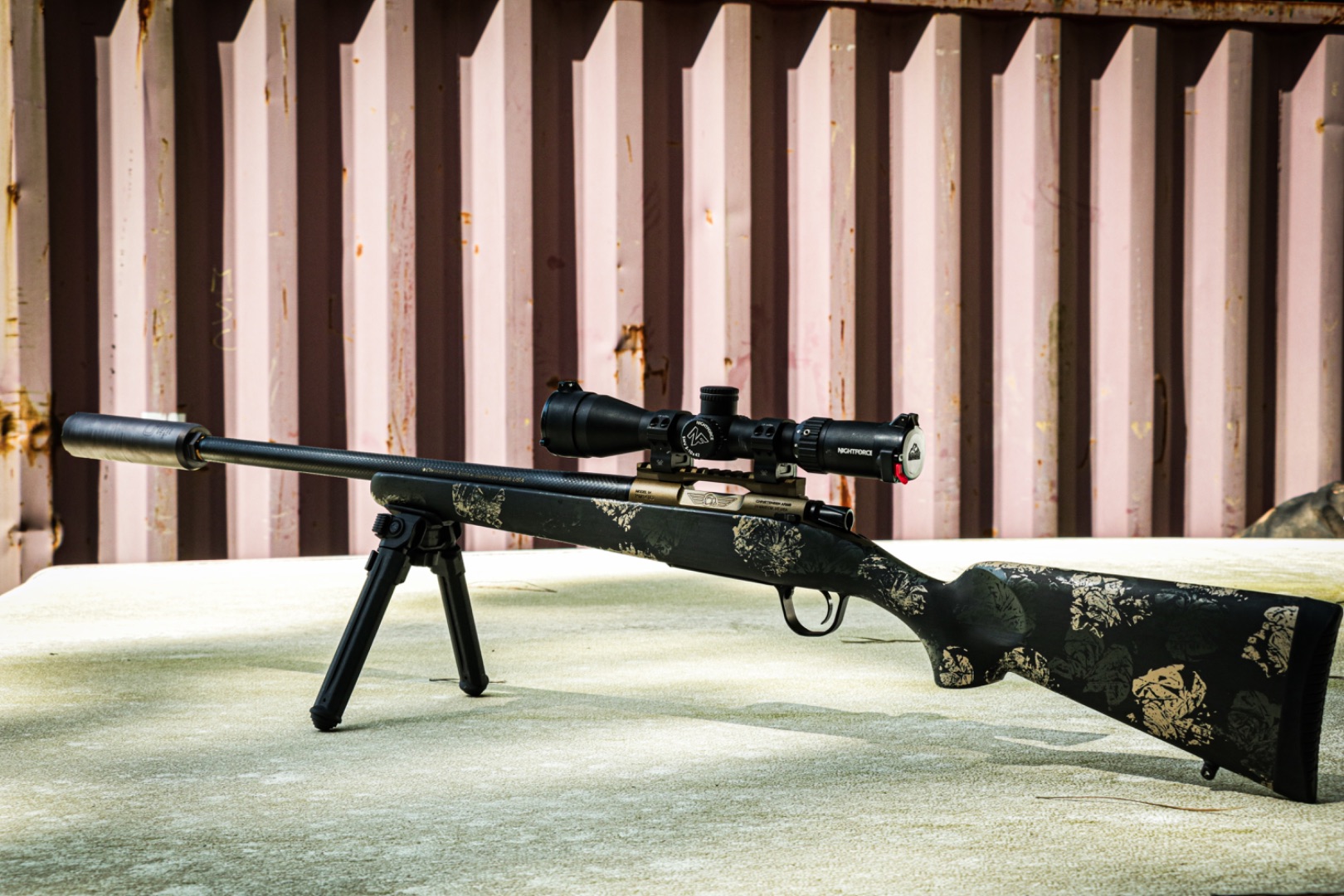
Long-range rifle shooting drills help shooters turn fundamentals into repeatable field accuracy. A precision rifle matters, but accuracy at distance also depends on trigger control, breathing, stable positions, wind judgment, and the discipline to follow through after every shot.
These six long-range rifle shooting drills are built for hunters and range shooters who want to get more out of their Christensen Arms rifle. Work through them consistently and you will build cleaner fundamentals, better shot execution, and more confidence when distance starts to stretch.
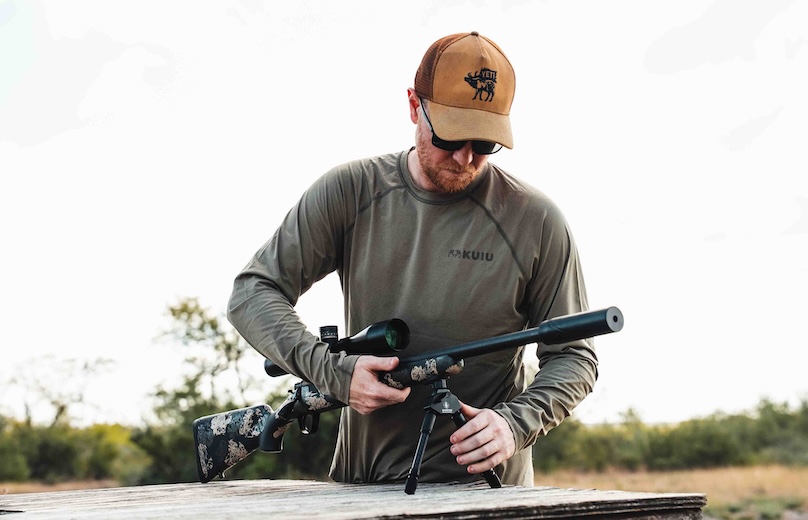
Why Long-Range Rifle Shooting Drills Matter
Success at extended distances requires more than quality equipment. Long-range rifle shooting drills break the shot process into smaller pieces, making it easier to diagnose problems and build consistency.
Use these rifle shooting drills to train with purpose instead of simply sending rounds downrange. Track your results, repeat the same standards, and treat every rep as feedback.
The goal is not to shoot more. The goal is to make each repetition cleaner than the last.
1. Dry-Fire Long-Range Rifle Shooting Drill
Trigger Control Without Recoil
Dry-fire training removes recoil and muzzle blast so you can focus on a smooth, straight-back trigger press. Build a stable position, settle the reticle on a small aiming point, and watch for movement as the trigger breaks.
- Maintain a consistent cheek weld and sight picture.
- Track reticle movement through the trigger press.
- Reset the bolt and repeat deliberately.
Goal: Complete 50 clean repetitions per session. Keep the reticle as still as possible from start to finish.
2. Breathing and Trigger Control
Small mistakes get bigger as distance increases. This long-range rifle shooting drill trains you to break the shot during a calm natural pause instead of rushing, holding your breath too long, or muscling the rifle onto target.
- Inhale normally, exhale most of the air, then settle into a short natural pause.
- Break the shot during that pause without forcing the rifle.
- Reset your breathing and trigger rhythm after every shot.
A consistent breathing cycle gives your trigger press somewhere to live. Without that rhythm, every shot starts from a slightly different place.
3. MOA Grouping Drill
Understanding your rifle's accuracy potential starts at 100 yards. This is one of the most useful long-range rifle shooting drills because it gives you a measurable baseline before you start stretching distance.
- Start with five-shot groups at 100 yards.
- Record group size in MOA, not just inches.
- Extend distance only after your baseline is repeatable.
If you need a refresher on the math, the NSSF has a useful guide to understanding Minute of Angle.
Goal: Build a written record of group size, conditions, ammunition, and rifle setup so improvement is visible over time.
4. Positional Shooting Drill
Not every long-range shot happens from a bench. Practice from prone, kneeling, and seated positions so you can build a stable shooting platform from realistic field conditions.
- Prone: Keep your spine aligned behind the rifle and your shoulders square.
- Kneeling: Use a knee, pack, tripod, or natural support to reduce wobble.
- Seated: Practice crossed-leg and supported seated positions for uneven terrain.
Goal: Build confidence from field positions before a hunt asks you to do it under pressure.
5. Range and Wind Reading Drill
Wind and distance are two of the biggest variables in long-range shooting. This drill forces you to observe conditions, make a call, apply a correction, and compare the result against the impact.
- Estimate target distance before confirming with electronics.
- Watch mirage, vegetation, dust, and terrain for wind indicators.
- Apply your correction, shoot, confirm impact, and adjust your process.
Goal: Improve first-round confidence by learning how your wind calls compare with real impacts.
6. Follow-Through and Recovery
The shot is not over when the trigger breaks. Follow-through keeps your position stable, helps you spot impact, and prepares you for a clean correction or follow-up shot.
- Maintain your sight picture for two to three seconds after the shot.
- Avoid lifting your head or breaking position too early.
- Reset your natural point of aim and breathing before the next shot.
If you cannot see what happened after the shot, you lose one of the best pieces of feedback the rifle can give you.
Rifles for Long-Range Rifle Shooting Drills
The right rifle platform helps you practice the same fundamentals you will rely on in the field. These Christensen Arms rifles pair naturally with different parts of a long-range training routine.
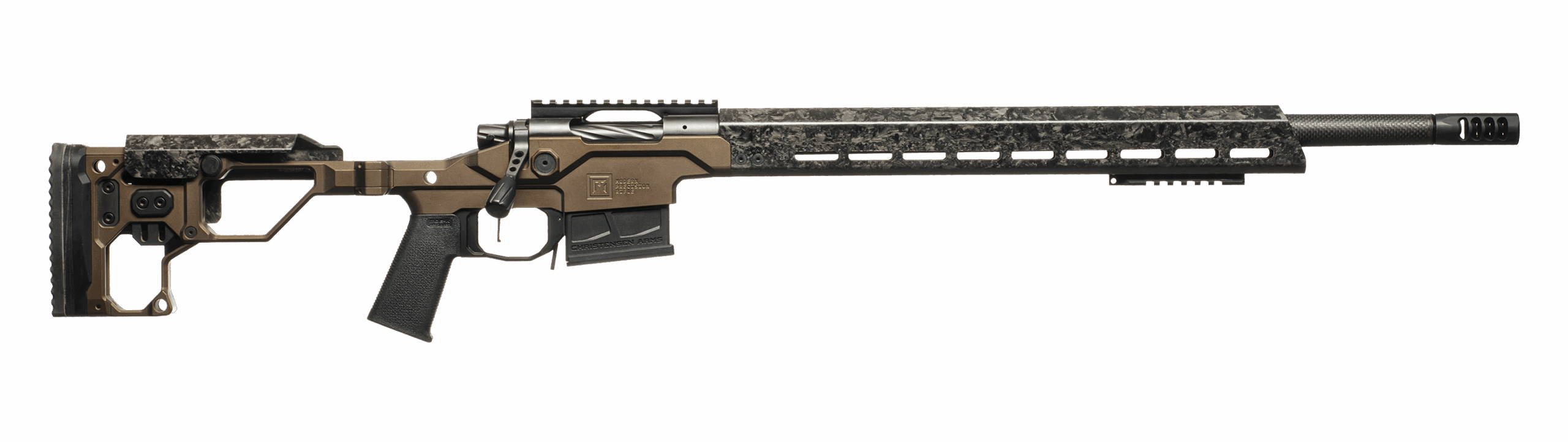
Modern Precision Rifle
An adjustable chassis rifle built for repeatable positions, supported shooting, and high-confidence long-range practice. The MPR is the strongest fit for shooters who want a precision platform that rewards deliberate training and consistent fundamentals.
Shop MPR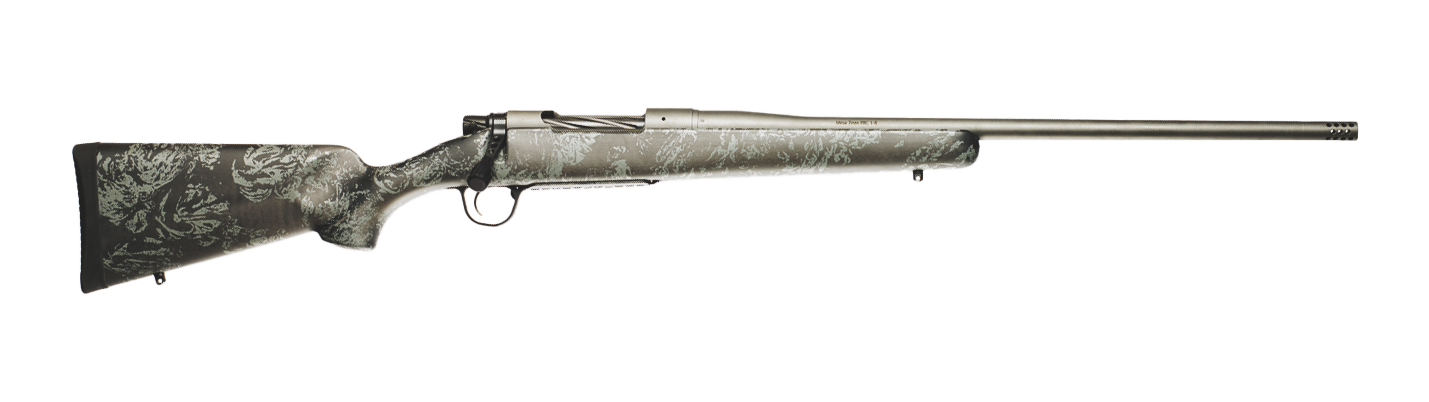
Mesa FFT
A lightweight hunting rifle for dry-fire work, field-position practice, and building confidence with a rifle that carries easily.
Shop Mesa FFT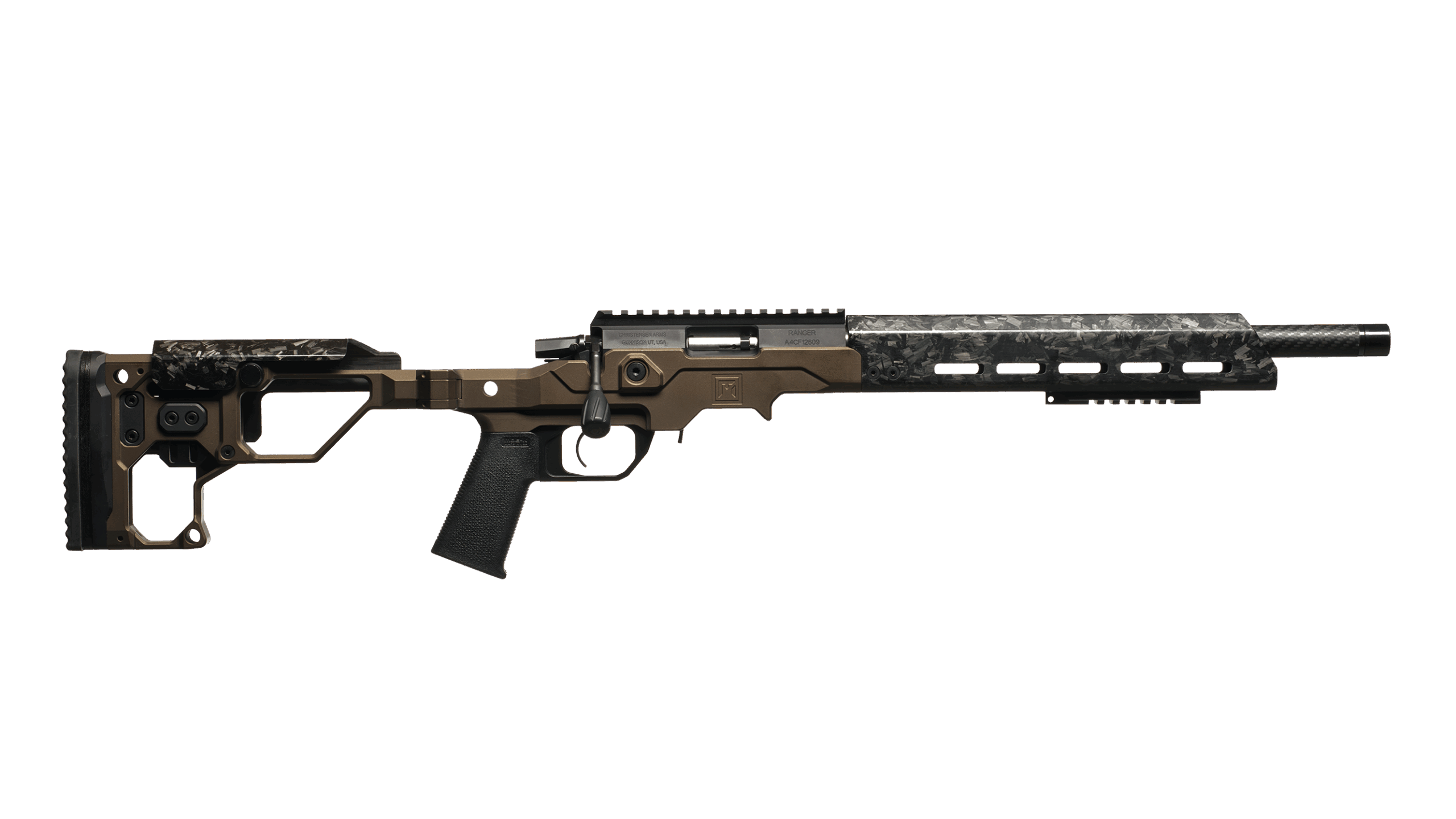
MPR Rimfire
A rimfire trainer for positional drills, trigger control, and high-repetition practice without burning centerfire ammunition.
Shop MPR RimfireBuild Consistency with Long-Range Rifle Shooting Drills
These long-range rifle shooting drills are designed to improve fundamentals and build confidence behind your rifle. Practice them deliberately, track your results, and keep the standard consistent from session to session.
When disciplined training meets a Christensen Arms precision rifle, you can trust both your skills and your equipment when it matters most.
Train With Purpose
Build better habits behind a rifle made for precision. Explore Christensen Arms platforms for long-range practice, hunting prep, and repeatable field performance.
Explore Rifles