Shooting Technique & Performance
BUILDING A
PRE-SHOT ROUTINE
FOR CONSISTENT ACCURACY
No Shortcuts. Just Process.
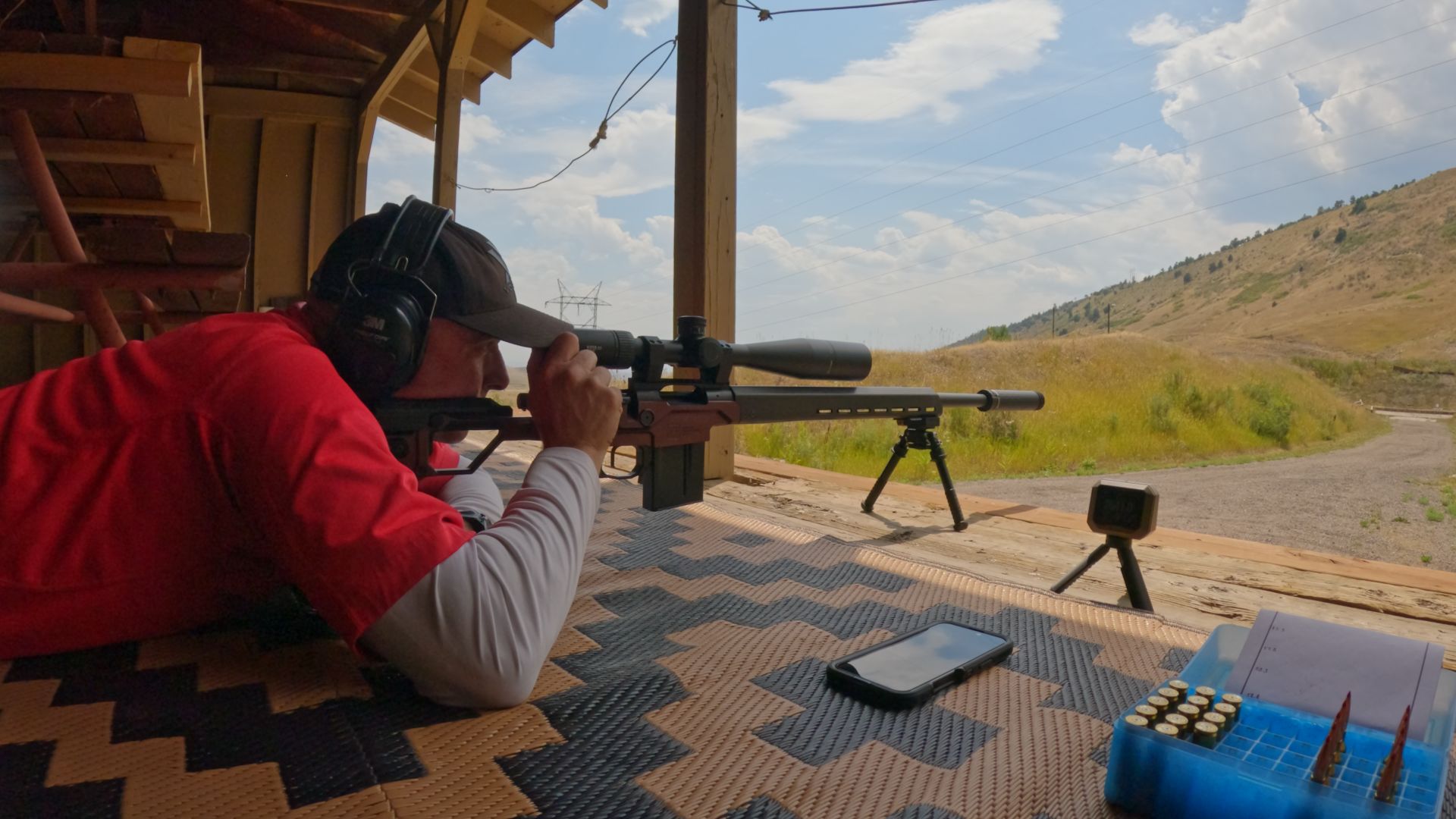
The Foundation
WHY ROUTINE BEATS TALENT
The human body is wired for performance under routine. A practiced pre-shot routine means you're not thinking about your grip, your breathing, or your eye relief. You're executing a pattern your body already knows.
Anticipation flinch, rushed trigger pulls, inconsistent natural point of aim — these aren't equipment failures. They're process failures. A sound routine addresses every one of them.
Field Note
The best shooters spend more time on the 30 seconds before the trigger breaks than on any other aspect of marksmanship. That window is where groups tighten from 1 MOA to sub-half.
The Core Routine
THE 7-STEP PRE-SHOT SEQUENCE
A pre-shot routine doesn't need to be complex — it needs to be consistent. Here is the framework we recommend building yours around:
01
Position & Natural Point of Aim
Close your eyes, relax completely, then open them. Where the reticle rests without muscular correction is your NPOA. Adjust your body — not your rifle — until alignment is natural.
02
Bone Support & Muscle Relaxation
Your support structure should be skeletal, not muscular. Settle weight into bone structure so muscles remain free and soft. Tension is the enemy of precision.
03
Consistent Cheek Weld
Cheek weld determines eye relief, which determines sight picture. Make it identical on every shot. Christensen Arms adjustable stocks let you dial in a weld that's repeatable by feel.
04
Respiratory Control
Take two to three slow breaths. On the natural pause at the bottom of exhale, the body is most still. Never forcibly hold your breath — oxygen deprivation accelerates tremor within seconds.
05
Sight Picture & Focus
Confirm reticle position and dial in parallax. Any parallax shift at distance causes your point of impact to wander with eye movement. Eliminate every variable before the trigger moves.
06
Trigger Control
Apply smooth, rearward pressure with the pad of your trigger finger. The shot should break as close to a surprise as a deliberate pull allows. If you called it early — reset and start over.
07
Follow-Through
Maintain trigger pressure, cheek weld, and sight picture through recoil. The shot isn't over when the bullet leaves — it's over when you've completed the full sequence.
Training Method
BUILDING THE HABIT
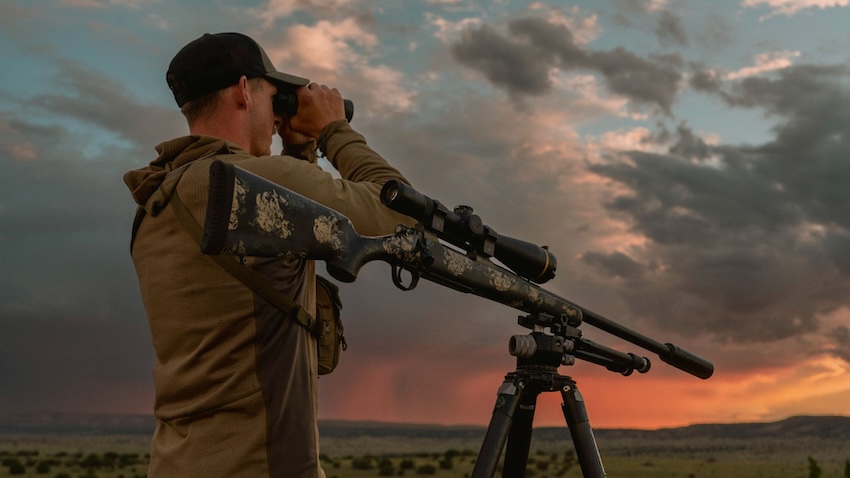
Knowing the steps is not the same as owning them. A pre-shot routine only pays dividends when it's been practiced to the point of automaticity. The path there is deliberate dry-fire.
Spend 10–15 minutes daily working through your routine on a safe, empty chamber. Focus on one element per session until it becomes involuntary — then compound them. Reps build the neural pathways that keep the routine intact under cold hands and field adrenaline.
Pro Tip
Track your reticle movement through the trigger press during dry-fire. If the reticle jumps before the shot breaks, your trigger control needs work before live fire will improve it.
Field Application
ADAPTING TO FIELD CONDITIONS
A routine built only for the bench will fail in the field. Hunting introduces time pressure, physical exertion, cold temperatures, and elevated heart rate. Train under duress — kneeling, off a pack, against a tree, after running in place for 60 seconds.
Establish a mental cue to trigger your routine: sliding off the safety, a specific exhale. When that cue fires, the sequence runs automatically regardless of conditions. That is the objective.
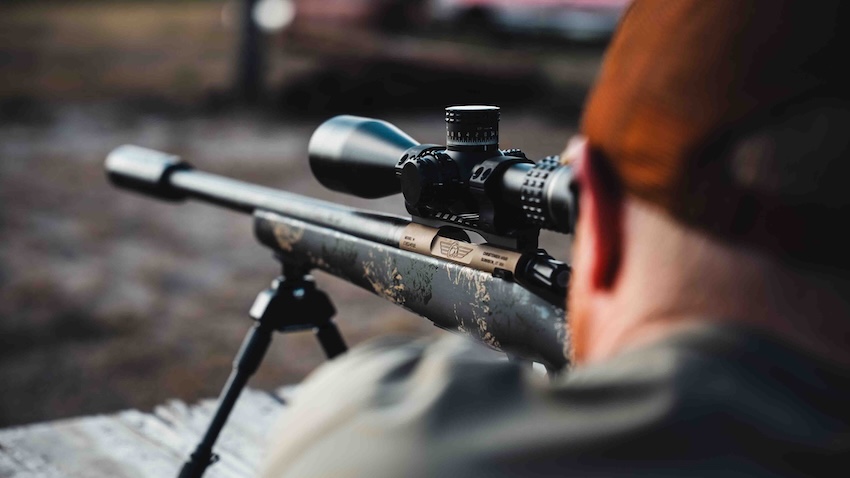
The rifles in your hands matter here too. Christensen Arms platforms are built to maintain repeatability across every position and condition:
Mesa FFT
416R stainless barrel, FFT™ carbon fiber sporter stock, TriggerTech® trigger
Ridgeline FFT
Aerograde carbon fiber wrapped barrel, FFT™ sporter stock, hand lapped match chamber
MPR
Billet aluminum chassis, folding MagneLock™ stock, adjustable cheek riser and LOP
Evoke
Cerakoted 416R stainless barrel, adjustable TriggerTech®, detachable 4-round magazine
The Feedback Loop
SHOT CALLING & SELF-CORRECTION
Shot calling — predicting where your bullet landed based on sight picture at the break — is the feedback mechanism that makes your routine self-correcting. If you can't call your shot, you can't know whether a miss was your fault or external.
After every shot, before looking at the target, note exactly where the reticle was when the rifle fired. Then confirm with glass. Over time, your called shots and actual impacts should converge. When they don't, you know exactly what to fix.
Routine creates repeatability. Shot calling creates accountability. Together, they turn range time into genuine skill.
Final Thoughts
THE ROUTINE IS THE RIFLE
Precision shooting is a craft that rewards patience and process above all else. The rifle Christensen Arms builds for you is capable of extraordinary accuracy — sub-MOA, shot after shot, right out of the box. What a pre-shot routine does is ensure that your contribution to every shot is worthy of that precision.
It doesn't cost money. It doesn't require new gear. It costs time and discipline — and it pays dividends across every platform, every cartridge, and every distance you'll ever shoot.
Build your routine. Practice it until it's invisible. Then trust it when it matters most.
Every elite marksman shares one discipline that separates them from the pack: a deliberate, repeatable pre-shot routine. Consistency doesn't happen by accident — it's engineered, one step at a time.
The Rifle They Depend On
BUILT TO PERFORM.
BUILT TO LAST.
Explore Christensen Arms precision rifles engineered for the shooter who demands consistency at every distance.
 We use cookies on our website to give you the most relevant experience by remembering your preferences and repeat visits. By clicking "Allow all", you consent to the use of ALL the cookies.