Gear Guide
BUILD AN
ACCESSORY STACK
THAT WORKS
Useful Add-Ons, Smarter Setups, and Less Wasted Gear
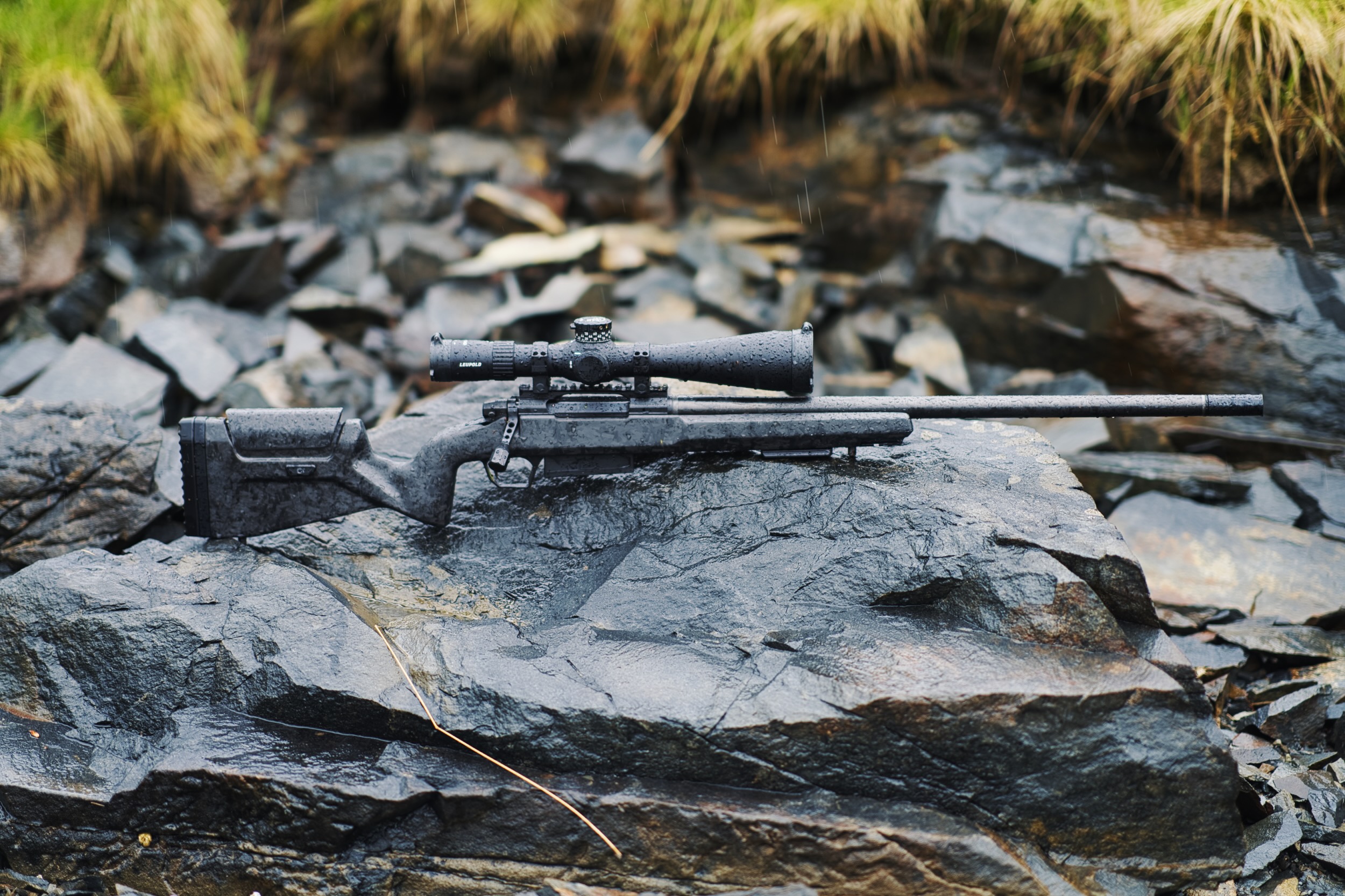
Rifle accessories should make the rifle easier to shoot, easier to carry, and easier to manage in the field. A smart rifle accessory stack should not turn a clean rifle into a heavy pile of parts that fight each other.
The best setup starts with the mission: hunting steep country, shooting from prone, dialing long range, or building a general-purpose rifle that can move from the range to the field. Once that mission is clear, every accessory has to earn its place.
Start With the Rifle Accessories That Match the Job
Before adding anything to the rifle, ask what problem the accessory solves. Does it help you build a more stable position? Does it protect your zero? Does it make ammunition easier to access? Does it reduce recoil enough to spot impacts or make a follow-up shot?
For hunters, weight and snag points matter. For long-range shooters, stability and repeatability matter. For a do-it-all rifle, the rifle accessories in the stack should stay simple enough that the rifle still carries and handles the way it should.
The rule is simple: if an accessory does not improve the way the rifle performs for your actual use case, it does not belong in the stack.
1. Start Rifle Accessories With the Optic Foundation
The optic is often the most expensive accessory on the rifle, and the mounting system is what keeps that investment doing its job. Of all the rifle accessories in the stack, scope rings should be treated as the foundation: they need to match the tube size, provide the right height, and hold the optic consistently through recoil and field use.
For a deeper look at ring height and tube fit, see our scope rings guide. For a general overview of rifle sports and scope adjustment concepts, the NSSF rifle sports resource is also a useful reference.
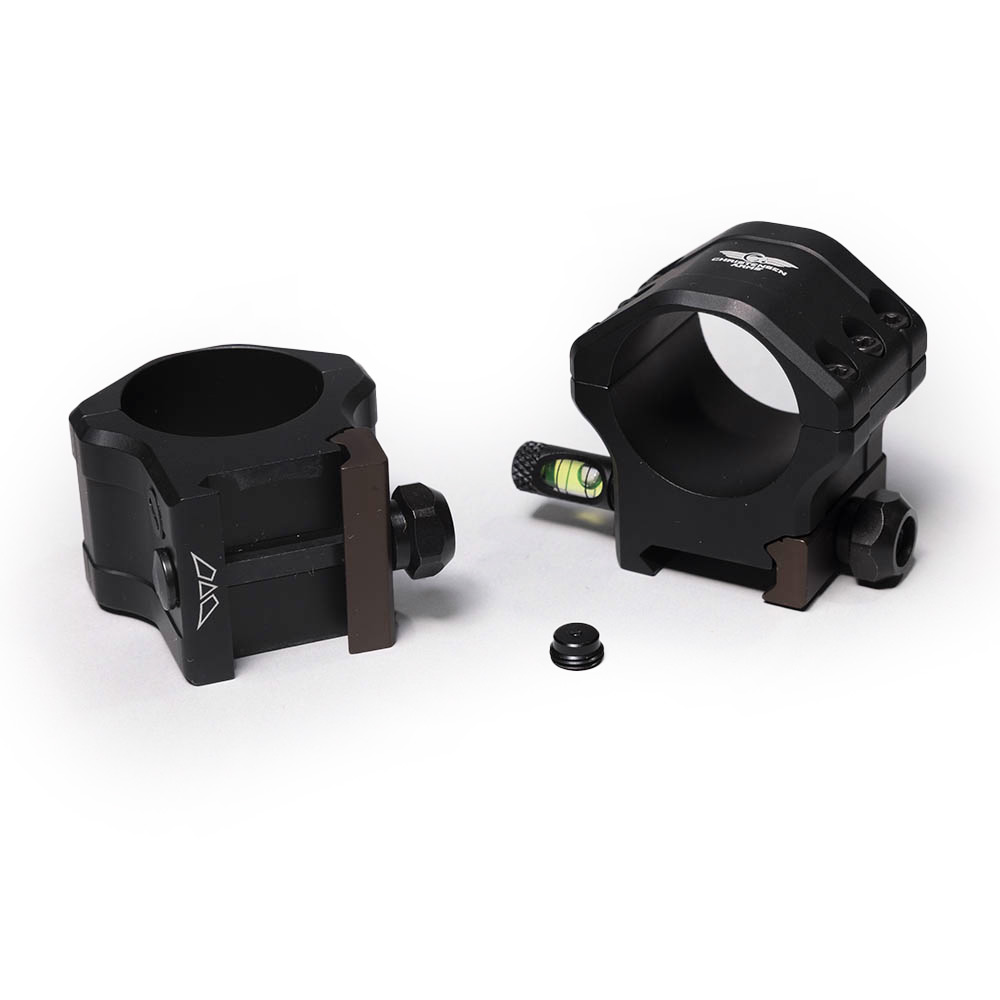
Tactical PRSR-HD Scope Rings
Precision CNC-machined tactical rings with 6-bolt caps and a removable anti-cant bubble level for long-range accuracy and repeatable alignment.
Shop Scope Rings2. Add Rail Accessories Only When They Solve a Problem
A rail is not automatically necessary on every rifle, but it becomes valuable when you need a secure mounting point for a bipod, adapter, or field support system. The key is choosing a rail that integrates cleanly with the rifle instead of adding bulk for its own sake.
A short bottom Picatinny rail is one of the most practical upgrades for hunters who want a flexible support point without committing to a permanently mounted bipod.
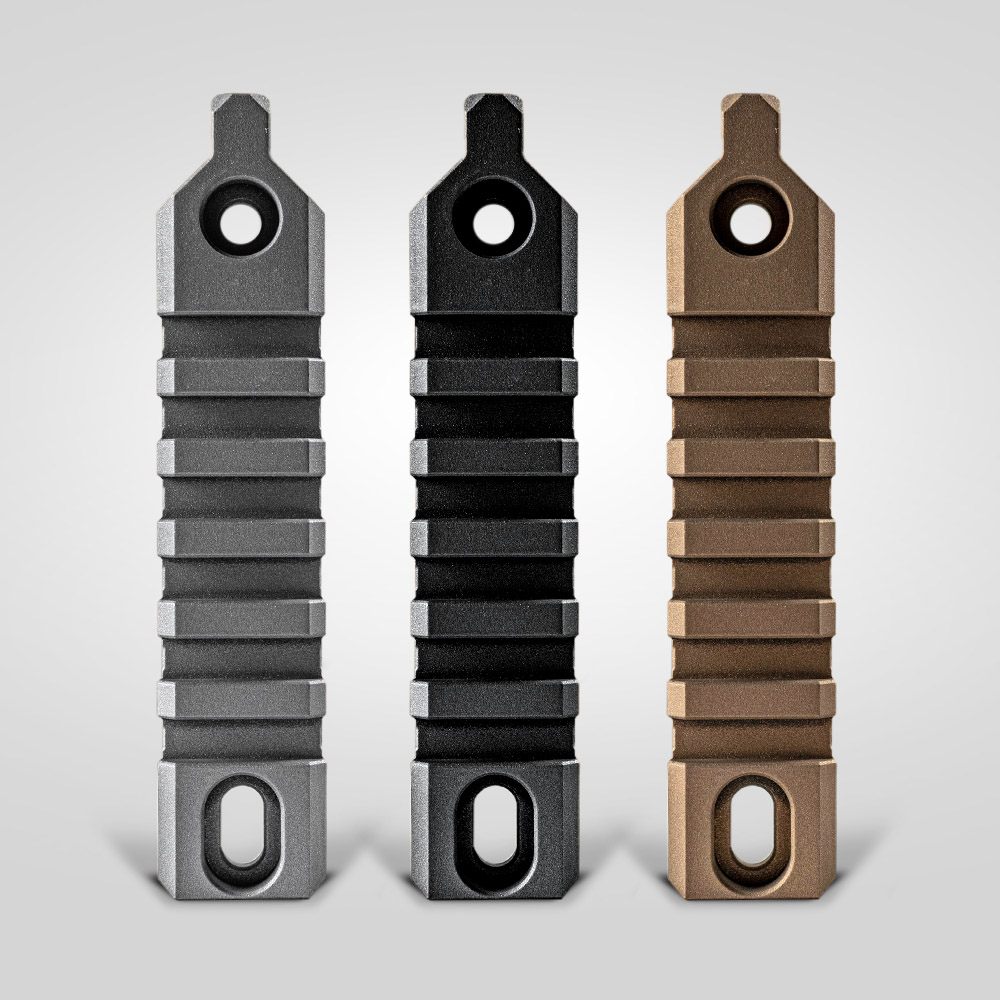
4 Inch Bottom Picatinny Rail
This MIL-STD-1913 Picatinny platform mounts from the forward sling stud, giving hunters a secure bipod and accessory attachment point with consistent alignment to the rifle's forend.
Shop the Rail3. Choose Rifle Accessories for Field Support
A bipod can be a major advantage when the shot calls for a stable front support, but it should match how the rifle is carried and used. Fixed bipods can be useful on heavier precision rifles. A quick-detach system often makes more sense for hunters who cover ground and only deploy support when it is time to shoot.
Christensen Arms carries multiple Spartan support options, including the Javelin Pro Hunt Tac Bipod and adapters that let shooters pair a bipod system with Picatinny rails or traditional sling-stud rifles.
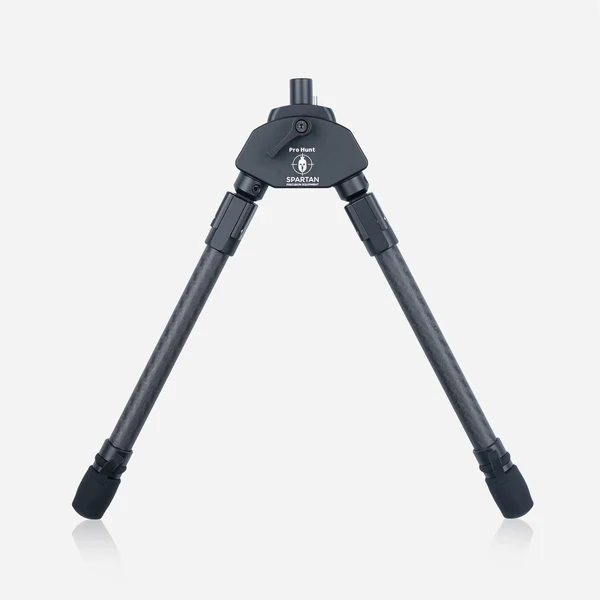
Javelin Pro Hunt Tac Bipod
A lightweight, quick-detach hunting bipod with cant and pan adjustment, carbon fiber construction, and fast deployment for field positions where stability matters.
Shop the Bipod4. Use Rifle Accessories to Keep Spare Rounds Accessible
Ammo management is easy to overlook until loose rounds are buried in a pack, rattling in a pocket, or hard to reach when conditions change. A simple wallet keeps extra rounds organized without adding much complexity to the kit.
This is one of the cleanest rifle accessories in the stack: small, useful, and easy to move between rifles, packs, and hunts.

Ammo Wallet
The Cole-Tac Ammo Wallet holds 10 rounds of short or long action ammunition, is made from 1000D Cordura nylon, and is available in Blaze Orange, Forrest Green, and Wolf Grey.
Shop Ammo Wallet5. Choose Rifle Accessories for Recoil Control
Muzzle devices are rifle accessories that change how the rifle behaves under recoil. A brake can help manage felt recoil and muzzle rise, which may make it easier to spot impacts or recover for a follow-up shot. A suppressor-ready setup gives shooters flexibility when they want to run suppressed.
The right choice depends on cartridge, rifle weight, field conditions, and how much blast you are willing to tolerate. Learn more in our muzzle brake guide.
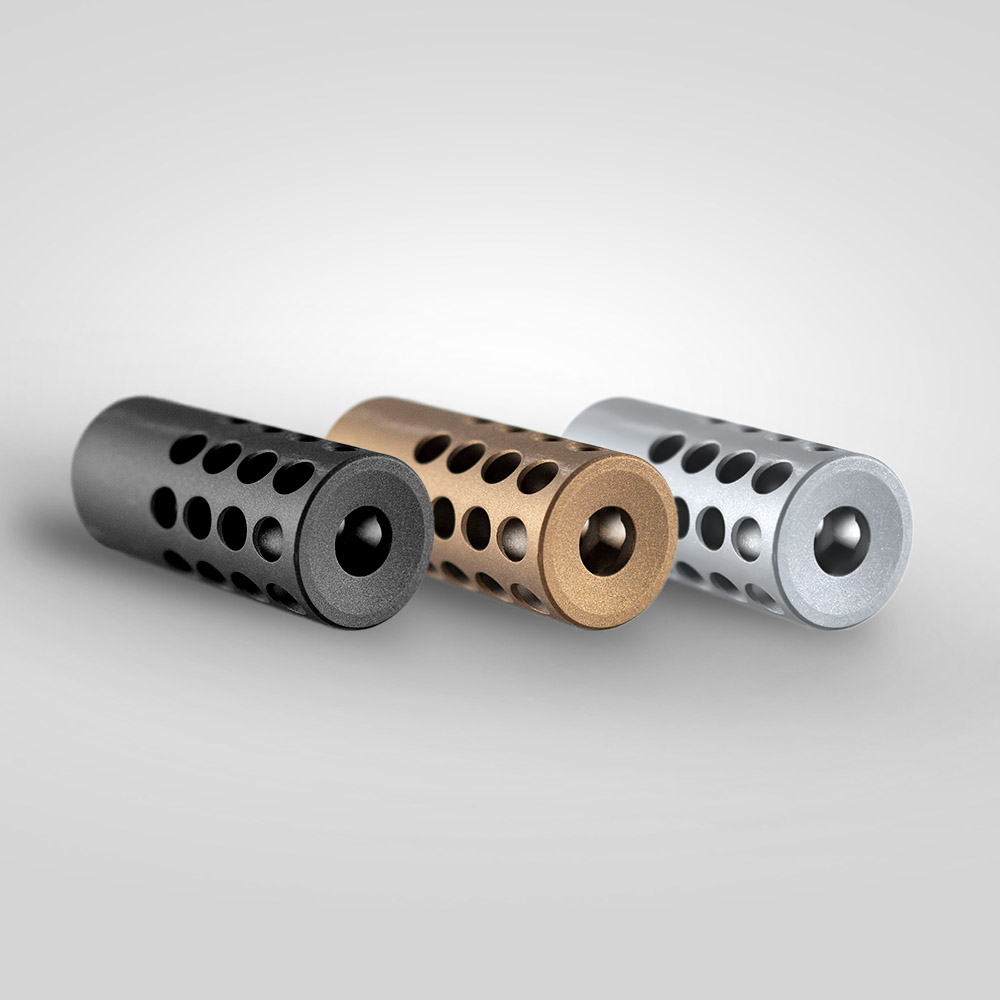
Muzzle Devices
Christensen Arms muzzle devices help shooters tune recoil management, suppressor readiness, and rifle handling around the platform they are using.
Shop Muzzle DevicesKeep the Stack Simple
The best rifle accessories feel boring in the best possible way. The optic stays mounted. The support system attaches cleanly. Spare rounds are easy to find. The rifle still carries the way it should. Nothing rattles, snags, or creates a new problem.
- Start with the optic mount: If the optic is not secure, everything else is secondary.
- Choose one support interface: Picatinny, sling stud, or adapter system should match the way you shoot.
- Watch total weight: Every ounce on the rifle changes how it carries and balances.
- Avoid duplicate gear: If two accessories solve the same problem, pick the better one and leave the other at home.
- Test before the hunt: Confirm every part of the stack works together before it matters.
The goal is not to own more accessories. The goal is to build a rifle system that works cleanly when the shot window is short.
Build the Stack Around the Rifle
Shop Christensen Arms accessories built to support cleaner mounting, better field stability, smarter ammo management, and a rifle setup that works as a system.
Less clutter. Better function. More confidence behind the rifle. Shop Christensen Arms Accessories We use cookies on our website to give you the most relevant experience by remembering your preferences and repeat visits. By clicking "Allow all", you consent to the use of ALL the cookies.