field guides
Western Hunting,
Done Right:
a first timer's guide
No limits. Just results.
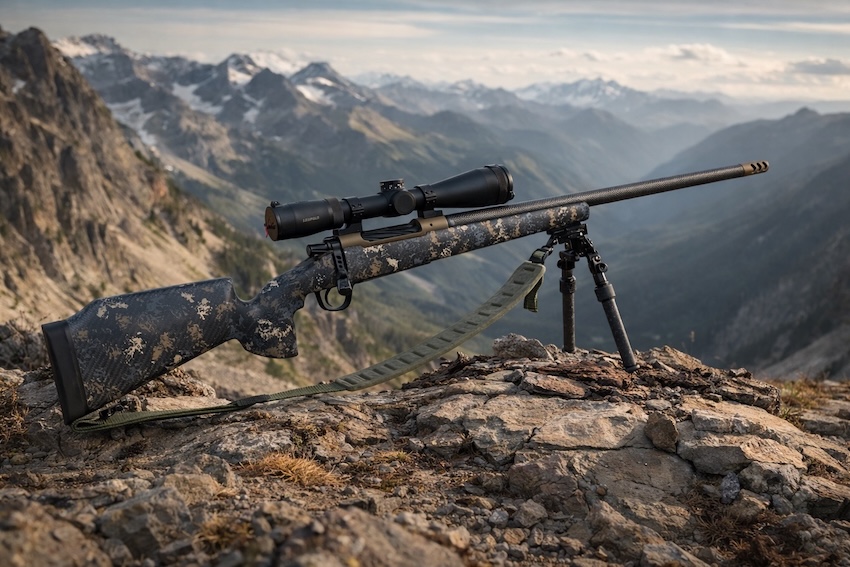
Preparation
YOUR FIRST WESTERN HUNT STARTS HERE
The West doesn't reward hesitation or half-preparation. It exposes it. Larger country, steeper terrain, and unpredictable conditions demand more from your gear, your body, and your decisions. A first western hunt is a long-range challenge. For first-time Western hunters, success is rarely determined in the moment. It's built long before opening day.
Distance changes everything. What looks close can take hours to reach. Elevation compounds fatigue. Weather shifts without warning. Without preparation, you spend your hunt reacting. With it, you move with intent and control.
The goal is not just to show up ready to hunt. It's to show up ready to operate efficiently in an environment that punishes inefficiency.
Start months out. Build your fitness progressively. Test your gear in conditions matching what you'll encounter. Study maps until you can visualize terrain before you see it. When September arrives, step into the hunt already prepared.
The Country Sets The Terms
Western ground immediately changes the rhythm of a hunt. Distance, exposure, and elevation start shaping decisions before the first morning ever begins.
Field Note
Most first Western hunts aren’t limited by opportunity. They’re limited by preparation. Close that gap before you arrive.
Physical Demand
TRAIN FOR YOUR WESTERN HUNT WITH PURPOSE
Western hunts are physical by default. You will cover more ground, carry more weight, and operate under more fatigue than most hunters are accustomed to. Physical preparation directly affects how much country you can hunt during a western hunt and how effectively you can hunt it.
Endurance keeps you moving. Strength keeps you stable. Both matter when terrain becomes steep and footing becomes inconsistent. The objective is not short bursts of effort. It’s sustained output over long days.
01
PACK HIKES
Train under load early. Start light and build progressively. Your body needs to adapt to weight before the hunt, not during it.
02
LOWER BODY STRENGTH
Focus on controlled movement. Climbing, descending, and stabilizing on uneven terrain require strength that transfers directly to the field.
03
CORE STABILITY
A stable core improves balance, reduces fatigue, and creates more consistent shooting positions when the ground is anything but level.
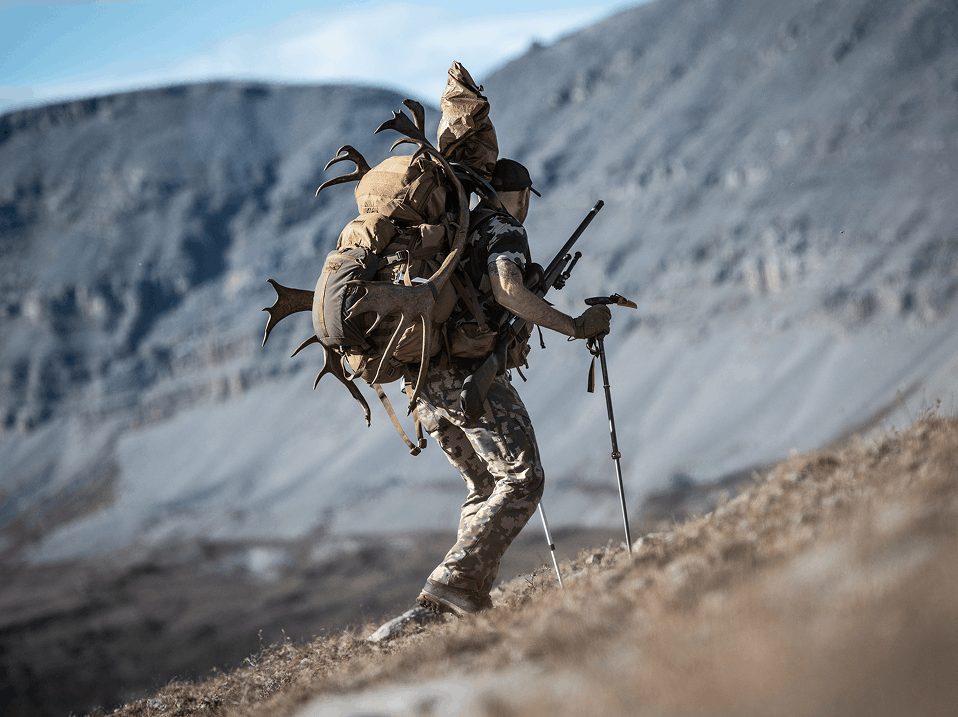
Preparation Has To Carry Weight
A Western hunt asks for more than cardio. Load, instability, and repetition have to be part of the system well before the season opens.
Pro Tip
Consistency beats intensity. Train year-round so the hunt feels like a continuation of your routine, not a shock to your system.
The Environment
UNDERSTAND TERRAIN FOR WESTERN HUNTING
Western landscapes are expansive and complex. Elevation, vegetation, water, and pressure all influence how animals move. Success comes from understanding how these elements connect, not just identifying them individually.
Digital scouting is no longer optional for any western hunt. Use topographic maps and satellite imagery to identify glassing points, feeding areas, bedding cover, and travel corridors. Build a plan that accounts for wind direction, thermals, and access routes.
Always have multiple options. Hunting pressure, weather, or access issues can force changes quickly. The more prepared you are to adapt during a western hunt, the more time you spend hunting instead of relocating.
Start your scouting with satellite imagery and topographic maps. Build a pre-hunt model of the country before you ever step foot there. In the field, let the landscape confirm or refine your assumptions. Terrain is not a backdrop. It is information. Read it correctly and it tells you where animals have been, where they're headed, and where you should position yourself.
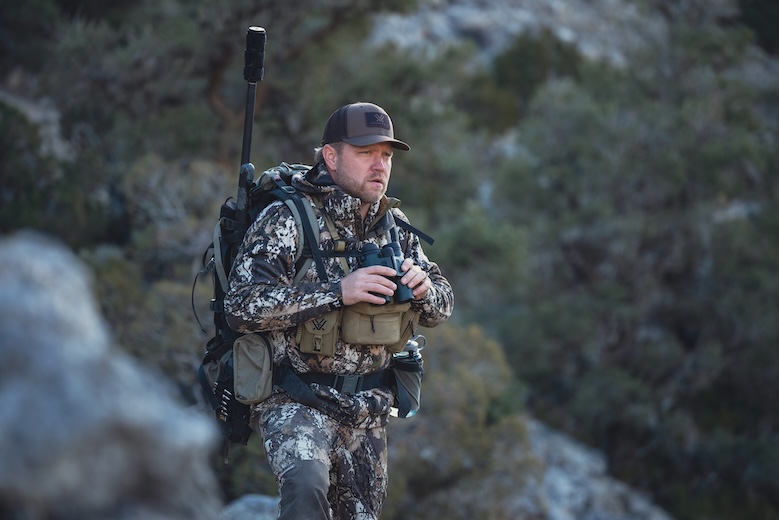
Pro Tip
Identify how you will enter and exit an area before you hunt it. Access often matters more than location.
Your System
REFINE YOUR SETUP FOR WESTERN HUNTING
Gear should reduce friction, not add to it. Every item you carry has a cost in weight and efficiency. The objective is not to carry more. It’s to carry better.
Reliability matters more than features. If your system works every time, under every condition, you remove variables that compromise performance during a first western hunt. Your rifle is central to that system. Christensen Arms platforms are built to maintain precision and consistency across varied terrain and conditions:
Mesa FFT
Lightweight and efficient. Designed to minimize carry weight without sacrificing reliability.
Ridgeline FFT
Carbon fiber construction built for elevation gain and long days in steep terrain.
MPR
Precision platform designed for stability and repeatable performance at extended range.
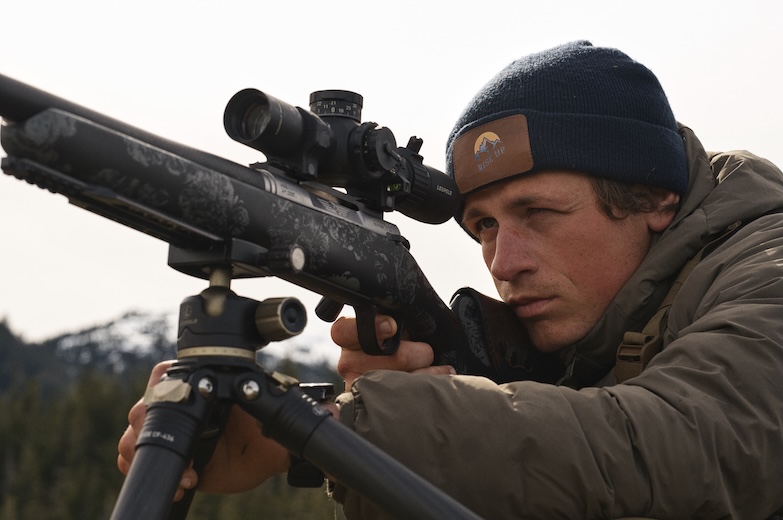
The Rifle Should Disappear Into The Process
The best setup does not ask for attention in the field. It removes friction, holds consistency, and lets execution stay calm under pressure.
System Note
A dependable setup reduces decision load in the field and lets execution stay consistent when conditions change.
Execution
EARN YOUR EFFECTIVE RANGE
Western hunting often presents longer shot opportunities. Confidence at distance is not assumed. It is built through repetition and validation. Understanding your ballistics is fundamental to any western hunt.
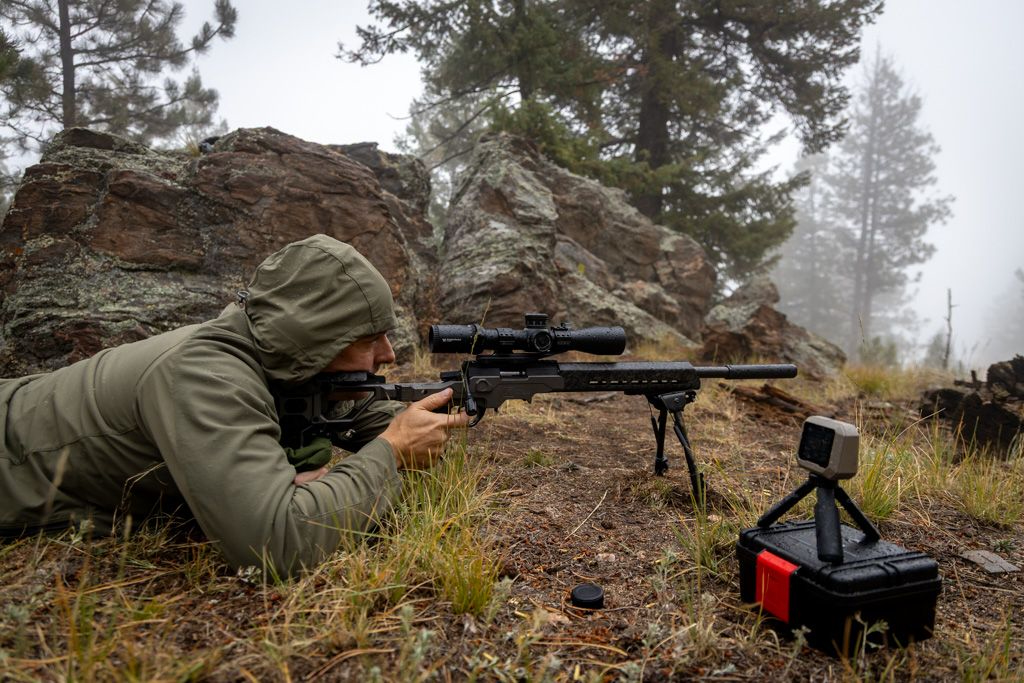
Train from field positions. Use natural supports. Understand your ballistics and how environmental factors influence your shot. Wind, elevation, and angle all introduce variables that must be accounted for before the trigger breaks.
Your effective range is not defined by your equipment. It is defined by your ability to consistently execute under real conditions.
Build it in the offseason with deliberate practice. Know your zero. Understand your ballistics. Shoot from positions you'll actually hunt from—prone on rock, kneeling over a ridge, standing against an outcrop. A rifle built for long-range work gives you the platform to succeed at distance. Christensen Arms platforms are engineered to deliver precision at distance. When the moment comes, your preparation removes doubt.
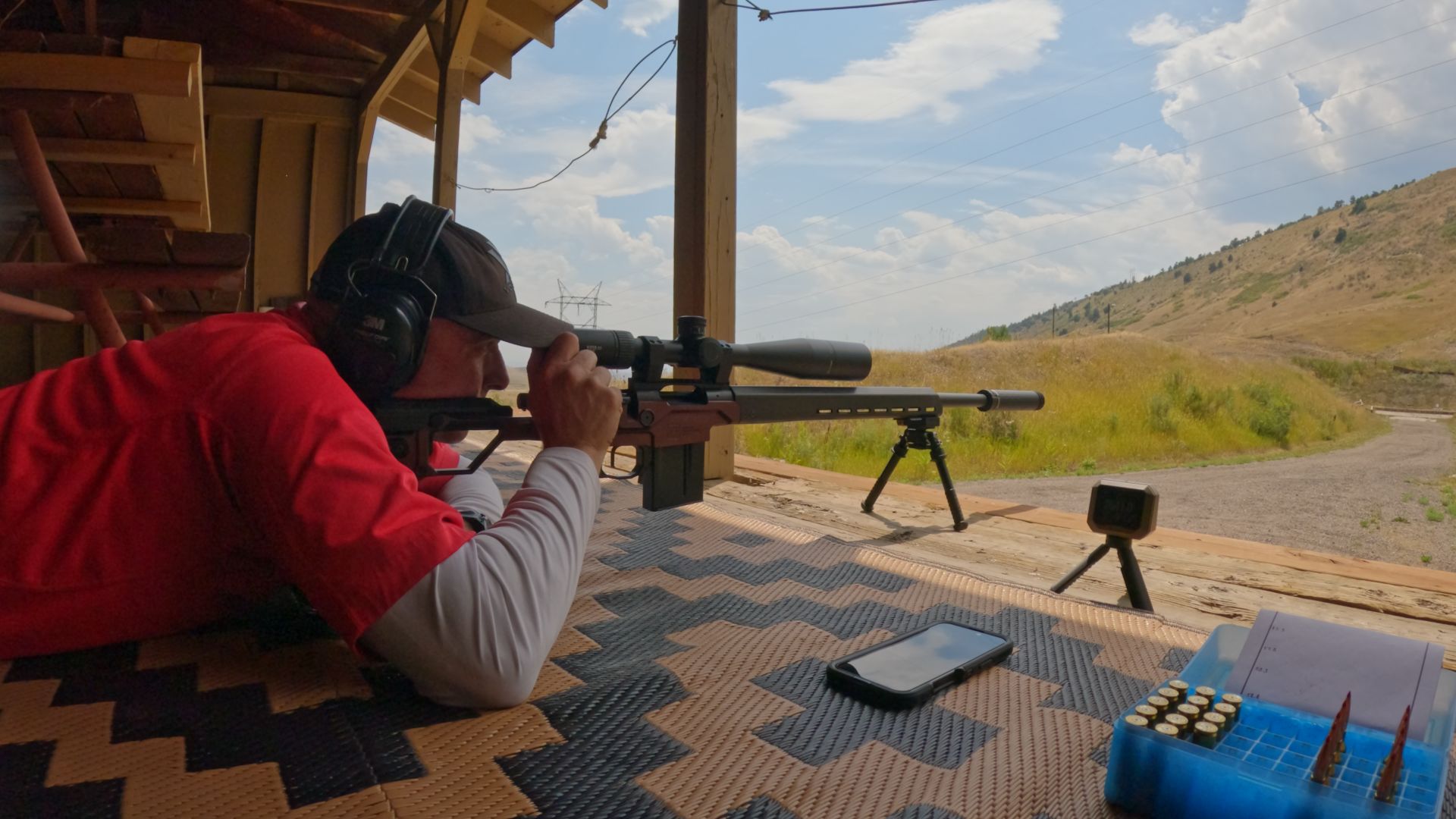
Range Means Nothing Without Control
Shot distance is only useful when judgment, wind call, and body position remain repeatable. That is what turns opportunity into a real option.
Execution Note
Effective range is earned through repeatable process, not assumed from equipment alone.
Final Thoughts
BUILT FOR THE WEST
Your first Western hunt is a proving ground. It tests preparation, decision-making, and discipline in an environment that offers no shortcuts.
The hunters who succeed are not the ones who react the fastest. They are the ones who prepared the most. Build your system, refine your process, and remove as many unknowns as possible before you step into the field.
When the opportunity comes during your western hunt, execution should feel familiar. That is the result of preparation done correctly. The hunters who succeed build systems, refine their process, and remove unknowns before stepping into the field.
The West demands equipment that performs under stress. Christensen Arms builds rifles designed to integrate seamlessly into a prepared hunter's system—maintained to standard and used by someone who has trained to use it. When preparation meets execution, the result is not accident. It is earned.
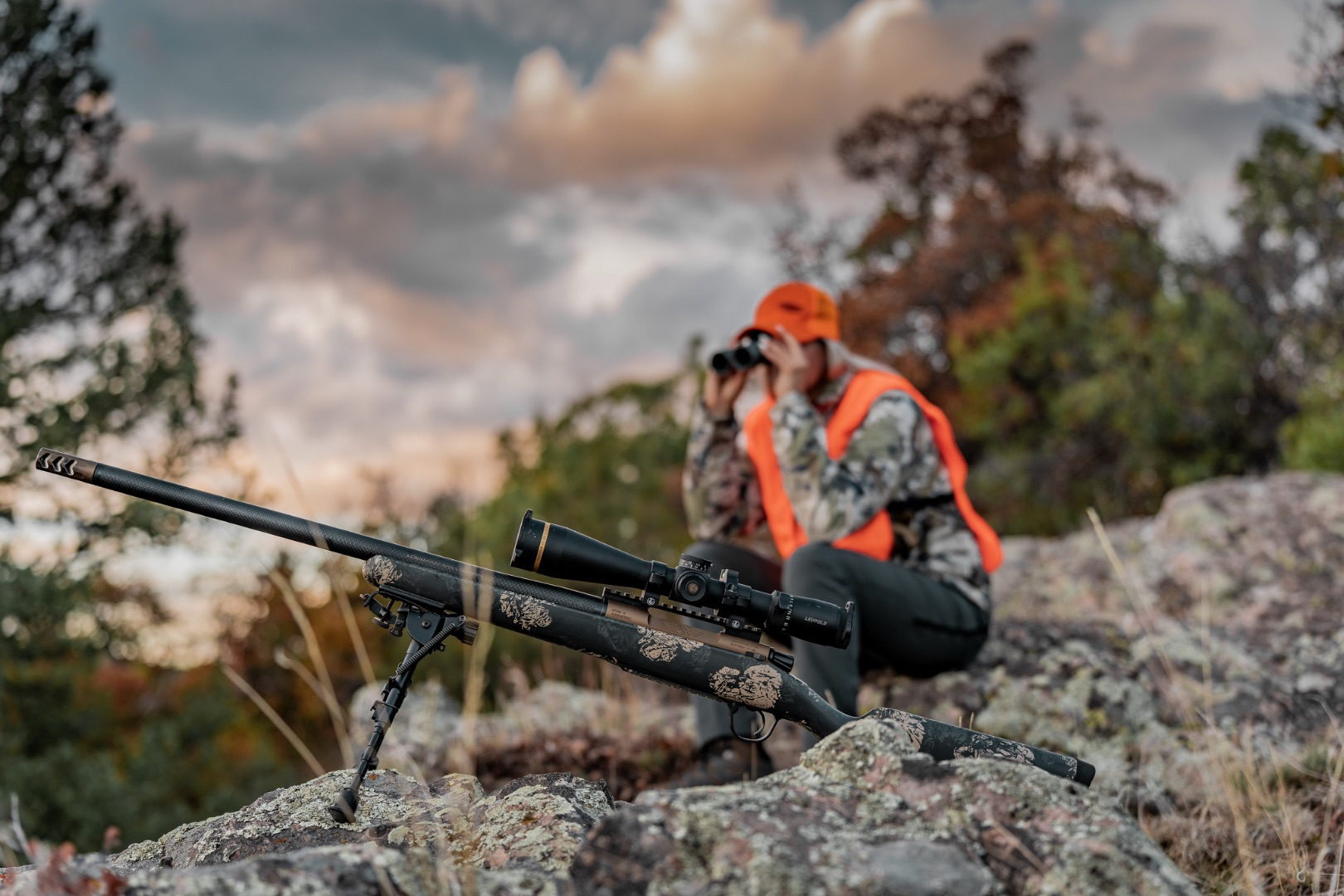
Final Note
Western hunting rewards preparation above all else. When conditions are unpredictable, consistency in your system is what creates opportunity.
The Rifle They Depend On
BUILT TO PERFORM.
BUILT TO LAST.
Explore Christensen Arms precision rifles engineered for the shooter who demands consistency at every distance.
 We use cookies on our website to give you the most relevant experience by remembering your preferences and repeat visits. By clicking "Allow all", you consent to the use of ALL the cookies.